 English
 Español
 Русский язык
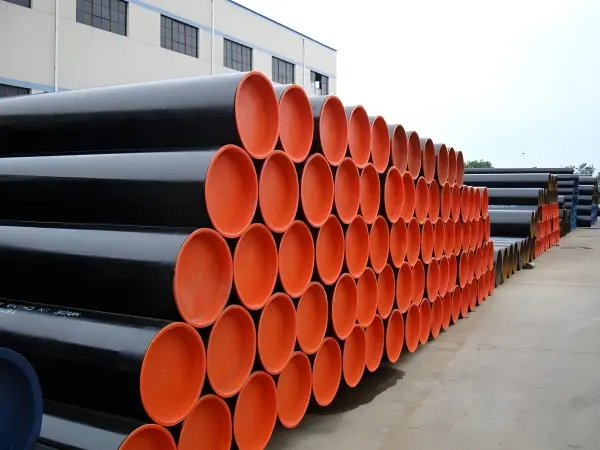
High-pressure projects need strong pipes. Weak pipes cause dangerous leaks and costly delays. We provide top-quality seamless pipes to solve these problems and keep your systems safe. The main applications of seamless steel pipes include oil and gas transport, chemical processing, power generation, and construction support. Their joint-free structure handles high pressure and resists corrosion, making them perfect for critical, heavy-duty engineering tasks.
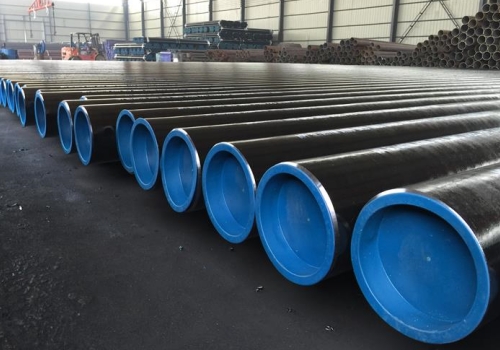
Let us explore why these pipes are the top choice for demanding projects and how they can fit into your next build.
Weak joints ruin pipeline systems. Welded seams often crack under stress. We make seamless pipes from solid steel blocks to remove this weak point entirely. Manufacturers heat a solid steel billet, pierce its center to make a hollow shell, and roll it to the right size. This process skips welding completely, creating a pipe that is stronger and more reliable under intense pressure. When we source pipes for big projects, understanding how they are made helps us control quality. The manufacturing process directly affects the pipe's final strength. Let us look closer at the exact steps we take to ensure safety.
· Piercing: A strong tool pushes through the hot steel center to make it hollow.
· Rolling: Machines stretch the pipe to reach the exact wall thickness you need.
· Treatment: Heat treatment adds toughness and sets the right mechanical properties.
· Testing: We check dimensions and run pressure tests to guarantee top safety. To give you a clear view, here is a quick table of common production methods and their main uses:
| Production Method | Best Used For | Key Advantage |
|---|---|---|
| Hot Rolling | Large diameter pipes | Fast production speed |
| Cold Rolling | Precise dimensions | Very smooth surface |
| Cold Drawing | Thin-walled tubes | Extremely tight tolerances |
Finding the right pipe for extreme environments is hard. Wrong choices lead to system failures. Seamless pipes solve this by offering unmatched durability across many fields. The applications of seamless steel pipes span across oil and gas exploration, chemical refining, power plants, automotive manufacturing, and building construction. They safely move harsh fluids, support heavy structures, and handle extreme temperatures without breaking.
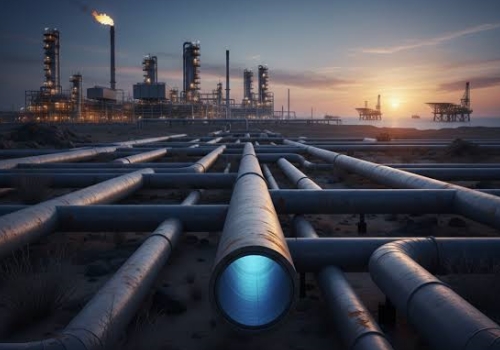
As a buyer, you need to know exactly where these pipes work best. The applications of seamless steel pipes are vast because of their unique strength. Let us break down the main areas where these pipes save the day.
· Chemical plants: Safely transport strong acids and dangerous liquids.
· Power stations: Built into boilers to handle steam at very high temperatures.
· Construction: Serve as strong support columns in large commercial buildings.
· Automotive: Found in heavy-duty truck chassis and reliable suspension systems. Here is a breakdown of material types matching their specific applications:
| Pipe Material Type | Main Industry Use | Core Benefit |
|---|---|---|
| Carbon Steel | Structural supports | High physical strength |
| Alloy Steel | Power plant boilers | Extreme heat resistance |
| Stainless Steel | Medical and food | Stops rust and corrosion |
Frequent pipeline leaks drain your budget. Welded seams are natural weak spots. Seamless pipes fix this issue by giving you one continuous, solid piece of metal. You should choose seamless pipes because they handle up to 20% higher pressure than welded pipes. They lack a seam, which means there is no weak point for rust to start or pressure to break. Many buyers ask me if the extra cost of seamless pipes is worth it. When you look at long-term savings, the answer is yes. Let us dig into the real differences between the two options.
· Corrosion defense: Welds rust quickly, but a seamless surface stops early decay.
· Weight limits: They hold heavier loads, making them better for heavy construction.
· Lifespan: You get years of extra use, which drops your replacement costs.
· Testing speed: Seamless items pass safety tests faster because there is no weld to check.
| Feature | Seamless Pipe | Welded Pipe |
|---|---|---|
| Pressure Rating | Excellent (up to 20% higher) | Good |
| Cost Upfront | Higher | Lower |
| Maintenance Need | Very low | Moderate to high |
While you might pay more at the start, you will save thousands on repairs later. In heavy-duty systems, the peace of mind alone is worth the investment. We always suggest seamless options for critical tasks.
Technical pipe details confuse many buyers. Unanswered questions delay purchasing decisions. We answer your most common questions here to help you buy with total confidence. Common questions cover pricing, sizing, and specific industry uses. Seamless pipes cost more than welded ones but last much longer. You can order them in many sizes for high-pressure systems like boilers and deep oil wells. As an experienced sourcing manager, I hear the same questions often. Understanding these details speeds up your project planning. We prepared direct answers to help you.
· We measure it using schedule numbers (like Schedule 40 or 80).
· Thicker walls handle higher pressure safely.
· Your engineer decides the thickness based on fluid type and heat.
· Yes, especially for high-pressure city water lines.
· We suggest stainless steel versions to keep the water clean.
· They stop leaks better than cheap plastic tubes.
· They usually last over 50 years in normal conditions.
· Proper coating adds even more years to their life.
· Regular checks keep them running smoothly for decades. Here is a quick reference table for common metric questions:
| Question Topic | Standard Metric | Industry Standard |
|---|---|---|
| Typical length | Meters or feet | 6 to 12 meters |
| Size range | Outer diameter | 1/8 inch to 26 inches |
| Lifespan | Years | 50+ years |
Knowing these answers helps you match our products to your exact project needs efficiently.
Seamless steel pipes deliver unmatched strength for your toughest projects. For reliable, top-quality seamless steel pipes, partner with Centerway Steel today and upgrade your pipeline systems safely.