 English
 Español
 Русский язык
High heat can ruin weak pipes. A broken pipe stops your whole project. I suggest you use astm a106 seamless carbon steel pipe to solve this big problem safely. Astm a106 seamless carbon steel pipe is a strong American standard pipe. It moves hot liquids and gases under high pressure. We use it mostly in power plants, oil refineries, and big boilers. This pipe handles bending and welding very well.
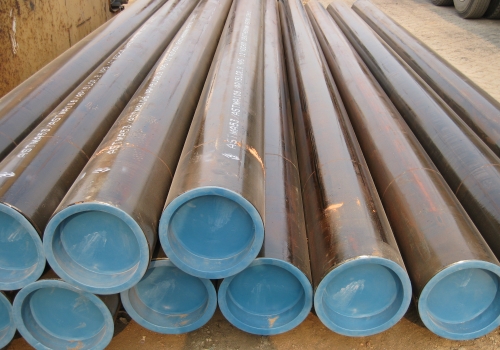
You might wonder if this pipe fits your specific needs. The wrong choice wastes your money. Read the details below to find the exact pipe for your next big job.
Choosing the wrong grade causes leaks. Leaks cost you time and money. I will show you the three main grades to help you buy the right one. Astm a106 seamless carbon steel pipe has three grades: A, B, and C. Grade B is the most popular choice for oil and power plants. Grade C offers higher strength for large boilers. Grade A works like basic carbon steel.
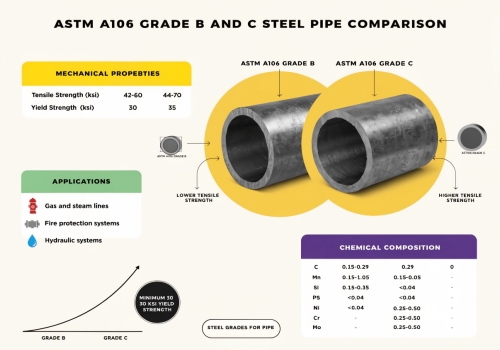
I always check the chemical composition before I buy steel. The elements inside the steel change how strong the pipe is. Carbon gives the pipe strength. Manganese makes the steel tough. Below, I show you a simple table. This table explains the mechanical properties of each grade.
| Standard | Steel Grade | Tensile strength (MPA) | Yield strength (MPA) |
|---|---|---|---|
| ASTM A106 | A | ≥330 | ≥205 |
| ASTM A106 | B | ≥415 | ≥240 |
| ASTM A106 | C | ≥485 | ≥275 |
I also look at the chemical elements. The table below shows the basic chemical makeup.
| Standard | Steel Grade | C | Mn | P | S | Si |
|---|---|---|---|---|---|---|
| ASTM A106 | A | ≤0.25 | 0.27~0.93 | ≤0.035 | ≤0.035 | ≥0.10 |
| ASTM A106 | B | ≤0.30 | 0.29~1.06 | ≤0.035 | ≤0.035 | ≥0.10 |
| ASTM A106 | C | ≤0.35 | 0.29~1.06 | ≤0.035 | ≤0.035 | ≥0.10 |
I see many buyers choose Grade B. Grade B handles high pressure very easily. We supply Grade B in black and galvanized forms. You can get it cold drawn or hot finished. Grade C has more carbon and manganese than Grade B. This extra carbon gives Grade C a higher yield strength. Grade C replaces older materials like 20G steel. It makes the pipe wall thinner. A thinner wall saves you money on raw materials. A thinner wall also makes welding much faster. I always tell my clients to use Grade C for large superheaters. It is a very safe choice.
Bad production makes weak pipes. Weak pipes fail under pressure. I want to show you our strict factory process so you feel safe buying from us. We make astm a106 seamless carbon steel pipe using a strict hot seamless process. We heat the round billets first. Then, a machine pierces the hot billet to make a hollow shell. Finally, we roll, cool, and test every single pipe.
I watch our production line closely. We never skip a step. First, we inspect the raw steel billets. We make sure the chemical makeup matches the standard. We heat the good billets in a big rotary furnace. Next, a strong machine pierces the solid steel. This creates a hollow pipe shell. We roll the shell to get the right thickness. Air cools the hot pipes down. We straighten the pipes to remove any bending. Finally, we cut the pipes to the exact length you need. We finish the ends to make them smooth.
We test every pipe with water pressure. We also use non-destructive testing. I want to share a story about our work in Africa. A buyer in Nigeria needed strong pipes for a big oil gathering project. The African weather is hot. The working conditions are very hard. We supplied hundreds of tons of Grade B pipes to them. The Nigerian team tested our pipes on site. They found zero flaws. Our pipes handled the high-pressure oil without any leaks. We have mature experience sending pipes to Africa. We know how to pack them safely for long ocean trips. We protect the pipes from rust and damage.
You might not know all the ways to use this pipe. Buying the wrong pipe for your factory is dangerous. Let me answer your biggest questions right now. You can use these pipes in power plants, oil refineries, and marine ships. They transport hot water, steam, and oil perfectly. Buyers often ask about material codes and size standards. I will clear up these common questions for you below.
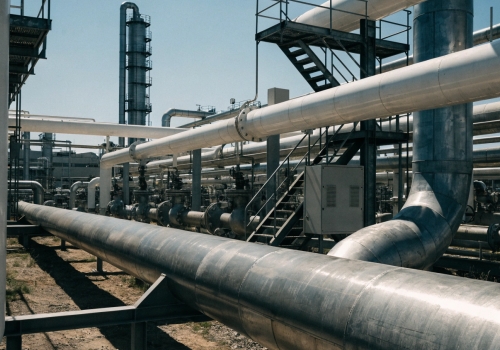
I see these pipes in many tough jobs. Power plants use them for boiler tubes and steam pipelines. Oil refineries use them to move hot oil safely. The oil and gas industry puts them in long-distance pipelines. Shipbuilders use them for marine engines. General builders use them for central heating lines. These pipes resist heat and pressure better than normal steel pipes. They perform very well over many years. You do not need to replace them often.
My clients ask me many questions before they buy. I want to share the most common questions and answers with you. This will help you make a smart choice.
Q: What is the difference between pipe design material A106 and SA106?
A: There is no difference at all. SA106 is the ASME standard name. A106 is the ASTM standard name. They mean the exact same material. You can use them the exact same way.
Q: What does the mark CD mean in the steel pipe standard?
A: CD means cold drawn. Small pipes are often cold drawn. Large pipes are usually hot rolled. We can make them cold drawn if you ask us to do so.
Q: What is the difference between ASME SA-106 and ASME SA-106M?
A: The letters tell you the measurement type. SA-106 uses imperial sizes like inches. SA-106M uses metric sizes like millimeters. You just choose the size system you need for your project.
I hope this guide helps you understand astm a106 seamless carbon steel pipe better. We provide top-quality pipes for your toughest global projects. Contact us today for a quick quote.