 English
 Español
 Русский язык
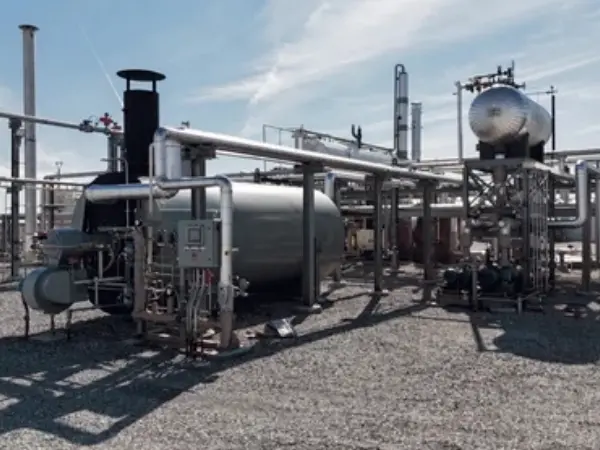
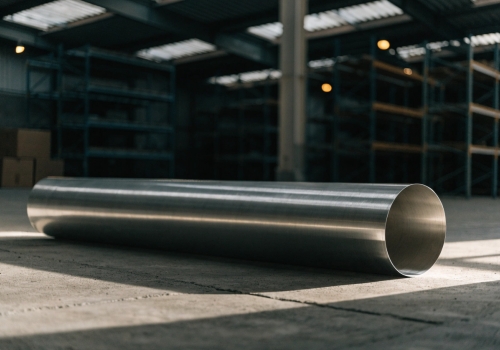
Are you facing tube leaks in your high-temperature heaters? Bad pipes cause dangerous and expensive shutdowns. Let me help you find the safest and most reliable steel pipes. A fired heater seamless steel pipe acts as a high-strength tube for high-temperature refining and heating equipment. Manufacturers produce it without welding seams. This design helps the pipe withstand extreme pressure and heat. Factories typically use carbon or alloy steel grades like ASTM A335 or A106 to ensure long-lasting safety and performance.
Choosing the wrong pipe grade ruins your whole system. Read the next parts carefully. This information will help you stop wasting money and stop worrying about pipe safety.
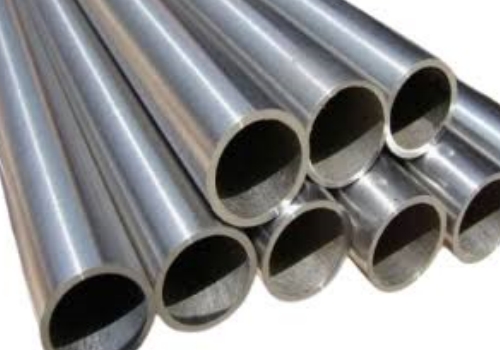
High heat destroys regular pipes quickly. If you want to stop frequent repairs, you must understand why these special seamless pipes are the only choice. You need a specific fired heater seamless steel pipe because regular pipes break under extreme heat. Seamless pipes have smooth walls and no weak weld lines. They give you better strength, stop dangerous leaks, and easily handle the extreme thermal stress inside industrial heaters.
We see many clients buy the wrong pipes just to save a little money at first. Later, they pay huge repair bills. I want to share the main risks and benefits. This information helps you make a smart choice for your projects.
When you use proper seamless steel pipes for your heaters, you gain big advantages.
· Resists very high temperatures (some alloy grades reach up to 600 degrees Celsius).
· Lasts a long time (this lowers your replacement costs over a 15-year lifespan).
· Protects your workers (the strong solid metal prevents sudden bursts and toxic gas leaks).
Different heaters need different pipes. You must match the pipe to the working heat. Here is a simple guide for you.
| Pipe Type | Main Use Case | Material Focus | Cost Level |
|---|---|---|---|
| General boiler tube | Boiling water pipes | Low carbon steel | Low |
| High-pressure tube | Main steam pipes | High alloy steel | High |
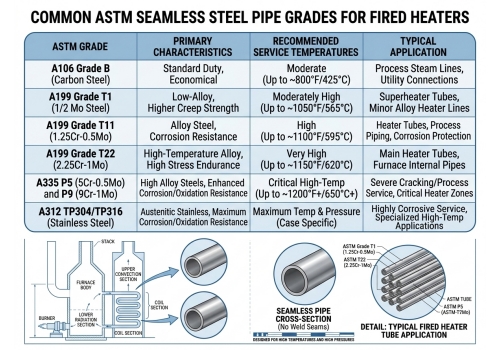
Picking the right steel grade feels hard. If you buy the wrong grade, your pipe will melt or crack. Let me make this choice very simple. To choose the right material grade, you must match the steel standard to your working temperature. You should use basic carbon steel grades like ASTM A106 for standard heat. For very high heat and pressure, you must always choose alloy steel grades like ASTM A335 to stay safe.
Over my years in this industry, I have helped many buyers sort through confusing ASTM numbers. You do not need to memorize all of them. You just need to know the basic groups.
Carbon steel works great for normal heating tasks. It costs less. It works very well for standard water and steam systems.
· ASTM A192: Builders choose this mostly for high-pressure superheaters.
· ASTM A179: Buyers prefer this for cold-drawn heat exchangers.
When you have aggressive heat or bad chemicals, carbon steel fails. You must use alloy steel. Alloy steel has extra metals like chromium. These extra metals make the pipe very strong against extreme heat and rust.
· ASTM A199 (T11, T22): Factories use this for mid-level alloy heat exchangers.
· ASTM A335 (P11, P22, P91): We recommend these chrome-moly pipes for very high heat. Here is a quick reference table for your sourcing process.
| Standard | Grade Example | Best Application | Max Temp Limit |
|---|---|---|---|
| ASTM A106 | Grade B | General high heat | 427 C |
| ASTM A192 | Standard | Superheater tubes | 450 C |
| ASTM A335 | P91 | Extreme heat service | 600 C |
Always check with your design engineer about the exact heat levels. We keep all these grades in our Centerway Steel stock. You can get what you need very fast from our one-stop supply.
Do you still have questions before you buy? Many buyers ask me the same important questions every day. Let us look at the clearest answers right now. Buyers often ask about testing, sizing, and lifespan. Our seamless heater pipes pass strict ultrasound tests. They come in many sizes. They last over 15 years if you use them correctly. We make sure every pipe meets safety rules like ASTM and DIN before shipping. You need clear facts to feel confident about your order. Many buyers ask me the same important questions every day. Here are the top questions and answers about heater pipes.
Q: What is the biggest difference between carbon and alloy heater pipes?
A: Carbon pipes cost less and handle basic heat well. Alloy pipes contain extra metals like chrome. They handle extreme heat and stop rust much better than carbon pipes.
Q: How do you test the pipes before shipping?
A: We perform strict ultrasound testing on every single pipe. We check the metal walls to make sure there are no hidden cracks inside.
Q: Can I use welded pipes instead of seamless pipes for my fired heater?
A: No, you should avoid welded pipes for high-pressure fired heaters. Welded lines can split easily under extreme heat. Seamless pipes give you the safest and most reliable performance.
Q: Do you supply pipes for very large construction projects?
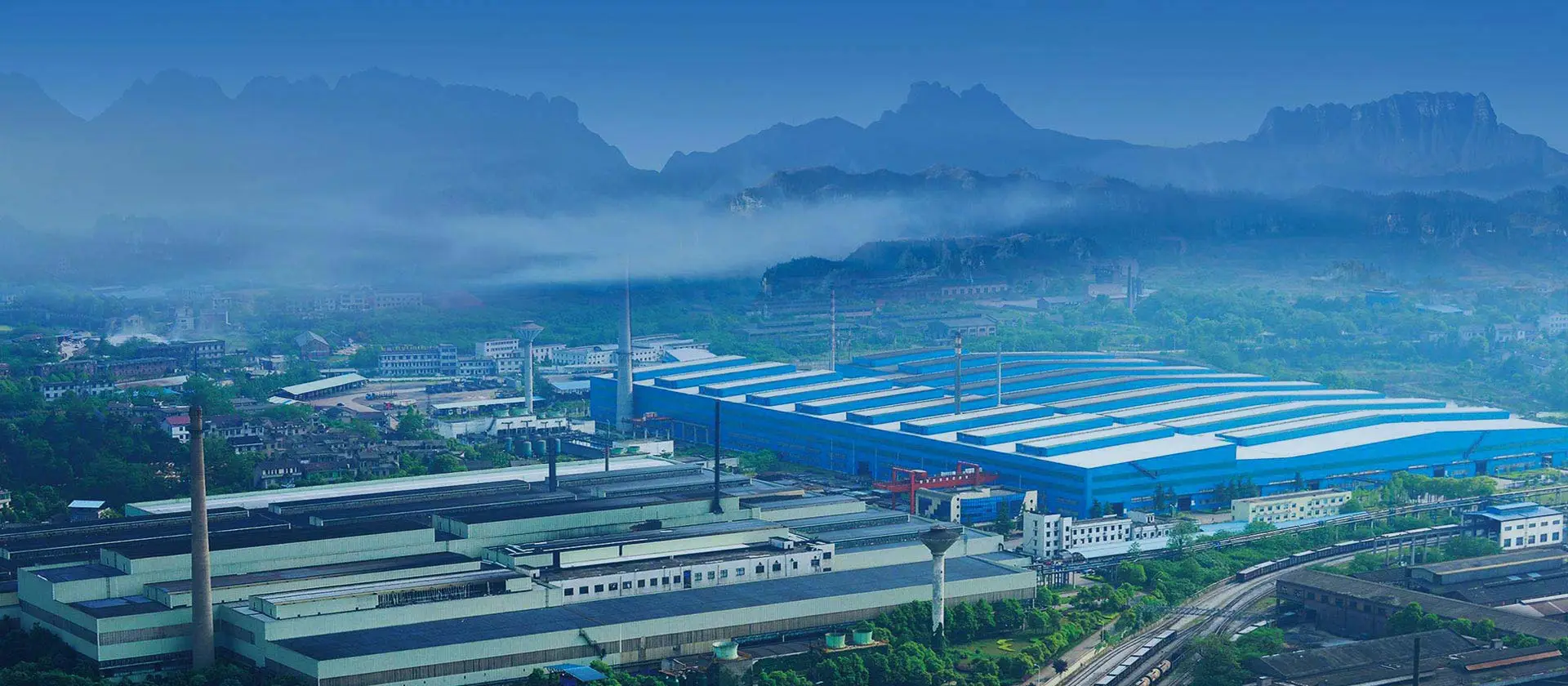
A: Yes, we do. Since 1996, we have supplied premium materials to large global projects. We give you a reliable one-stop supply for pipes, fittings, and valves.
Q: What standards do your products meet?
A: All our steel pipes follow major rules like ASTM, EN, and DIN. We also hold ISO and CE certificates to prove our high quality.
Using the right fired heater seamless steel pipe keeps your system safe and saves you money. Contact Centerway Steel today to order the best pipes for your next project!