 English
 Español
 Русский язык
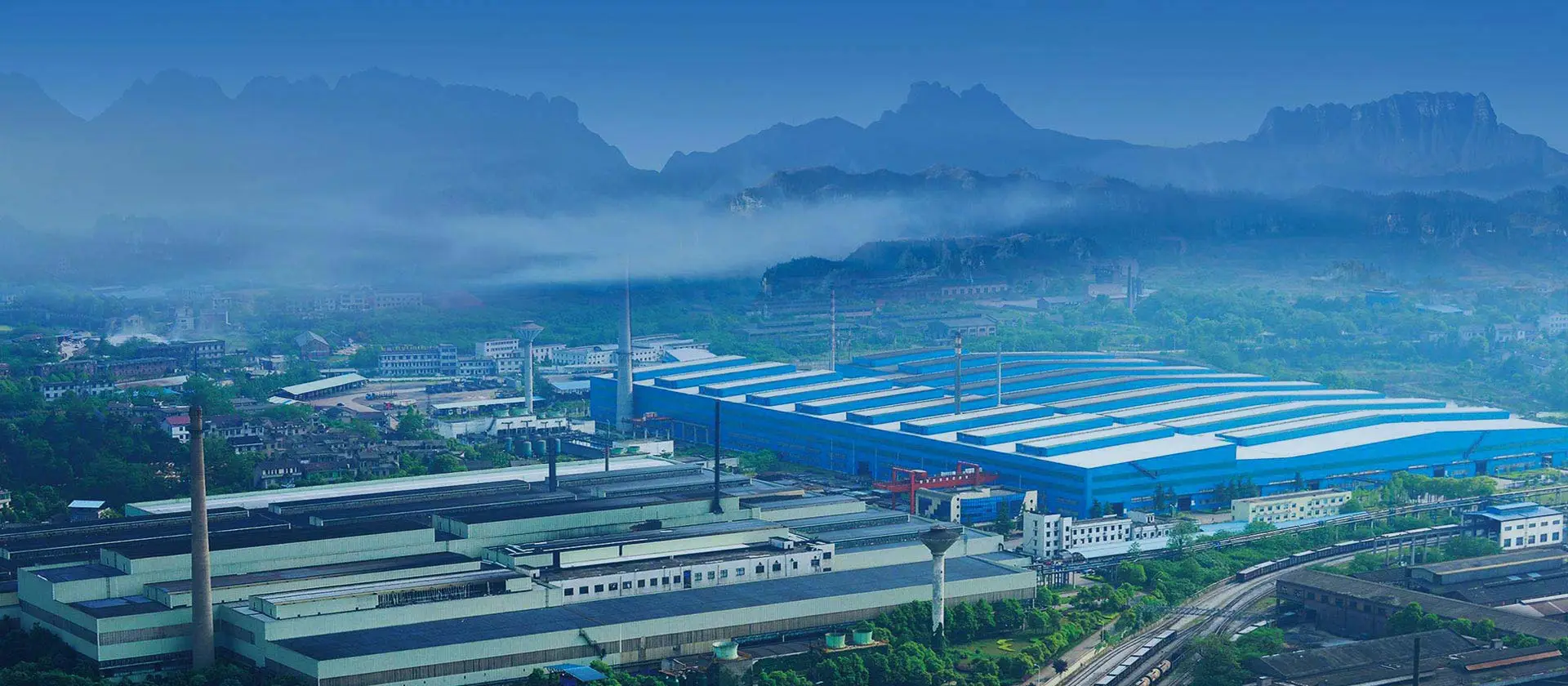
You buy steel pipes for big projects, but early rust ruins them. Poor surface treatment is usually the cause. You must understand pickling to protect your investment. The seamless steel pipe pickling process is a chemical treatment. We use acid solutions to remove surface impurities, rust, and oxide scales. This process prepares the metal for further processing. It creates a clean, corrosion-resistant surface. This surface ensures long-lasting performance in your demanding industrial applications.
You might think any pipe will do the job. But you will face huge costs and project delays if you skip this step.
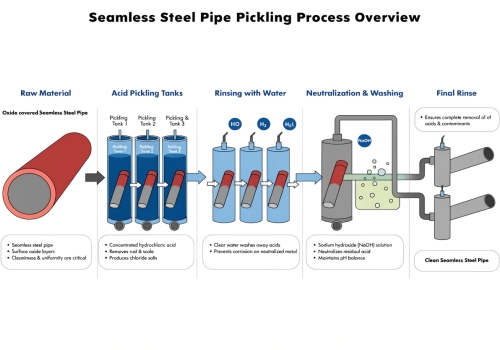
Dirt and scale on pipes cause bad welds. You face costly repairs if you ignore this surface dirt. The right cleaning steps solve this problem completely. The process involves dipping steel pipes into acid solutions. We use sulfuric acid or hydrochloric acid at specific temperatures. The acid dissolves iron oxides and scale. We always add corrosion inhibitors. These inhibitors protect the base metal and ensure a clean, silvery-white surface.
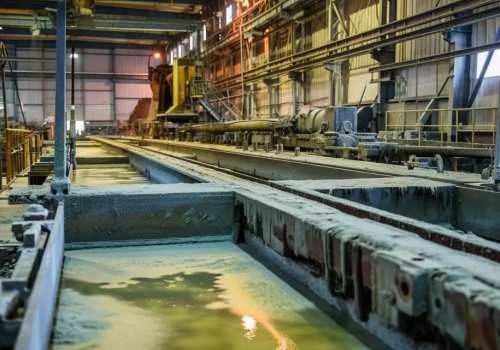
We use three main methods to clean pipes. We use the immersion method, the spray method, and the acid paste method. We usually choose the immersion method for our daily production. We soak the steel parts in a 10% to 20% sulfuric acid solution. We keep the temperature at 40°C. We monitor the solution closely. We replace the acid solution when the iron content gets too high. We also use hydrochloric acid at room temperature. This acid prevents over-corrosion. It also prevents hydrogen embrittlement. Acid has a strong corrosive effect on metals. We must add corrosion inhibitors to the acid bath. After cleaning, the metal surface becomes silvery-white. The process passivates the surface at the same time. This passivation improves the corrosion resistance of the pipe.
| Pickling Method | Common Acid | Temperature | Best For |
|---|---|---|---|
| Immersion | Sulfuric Acid | 40°C | Mass production |
| Immersion | Hydrochloric Acid | Room Temp | Precision pipes |
| Spray | Mixed Acids | Room Temp | Large surfaces |
Corroded pipes fail under high pressure. Your clients will blame you for sudden leaks. Pickling stops this dangerous corrosion before it even starts. Pickling is essential because it removes harmful oxide scales. Seamless pipes go through high-temperature processes like hot rolling. These steps create thick scales. Pickling removes these scales. The process leaves a clean metallic surface. This clean surface ensures better welding quality in your final applications.
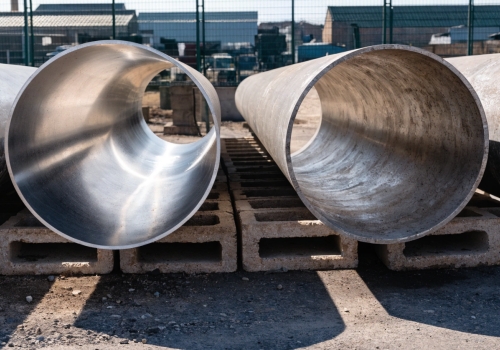
The seamless steel pipe pickling process prepares the pipe for the next production steps. The process removes the surface oxide scale. Then, the pipe goes through a lubrication treatment. If we do not pickle the steel pipe, oxides and oil stains remain on the surface. These stains ruin the next coating steps. I remember a client who bought cheap, unpickled pipes in the past. The pipes rusted within months. The client lost a lot of money on replacements. Centerway Steel solves this problem. We strictly control our pickling lines. Pickled pipes have strong surface adhesion. They are perfect for coating, polishing, or plating applications.
After pickling, the steel surface forms a uniform passive layer. This oxide layer prevents further oxidation.
| Benefit | Unpickled Pipe | Pickled Pipe |
|---|---|---|
| Surface | Scaly and dirty | Clean and smooth |
| Weldability | Poor | Excellent |
| Coating Adhesion | Weak | Strong |
You will face quick failures if you use the wrong pipe in a harsh place. You waste money replacing broken pipes. Pickled pipes survive where others fail. You use pickled seamless pipes in high-stress industries. These industries include oil and gas, chemical processing, power generation, and biopharmaceuticals. The clean, passivated surface resists stress corrosion cracking. It handles high-pressure, corrosive fluids safely. The pipe does not contaminate the fluids inside.
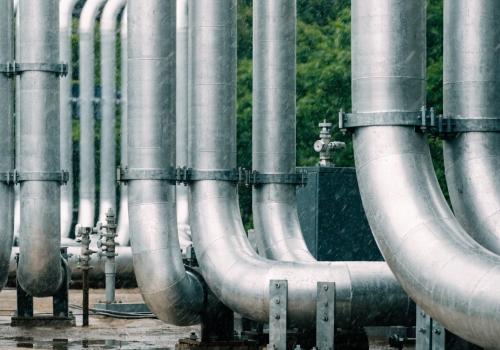
Pickled seamless pipes are very important materials across many sectors. They have superior corrosion resistance. They also have high cleanliness.
You use these pipes for subsea pipelines. You also use them for oil gathering lines. The pipes carry high-pressure media. They handle highly corrosive fluids containing hydrogen sulfide. The pipes need thorough pickling to resist cracking.
You use these pipes for chemical reactors and distillation columns. The pipes offer excellent resistance to acid corrosion. Centerway Steel provides heavy-duty pipes for these rough environments.
| Industry | Typical Application | Key Requirement |
|---|---|---|
| Oil and Gas | Subsea pipelines | Stress corrosion resistance |
| Chemical | Heat exchangers | Acid and alkali resistance |
| Food Processing | Hygienic tubing | Zero internal residues |
| Power Energy | Boiler tubes | High temperature stability |
I often talk to EPC purchasing managers. They always ask for our pickled pipes. They know our pipes perform well in power plants and chemical factories. We supply pipes to many Fortune 500 companies around the world.
Fake quality reports hide bad pipes. You install the bad pipes and face sudden leaks. Proper testing proves the pickling worked correctly. You can verify the pickling quality through specific tests. We use the Ferroxyl Test or the Copper Sulfate Dip Test. These tests check for residual free iron on the surface. We also use borescopes. The borescopes inspect the internal walls for complete cleanliness and zero chemical residue.
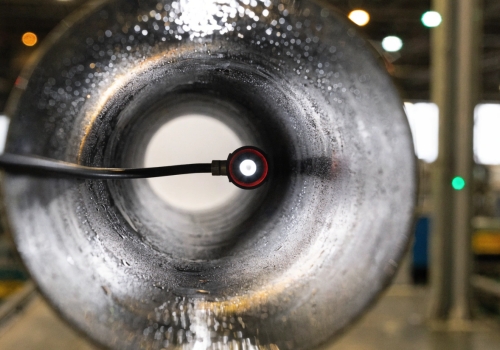
You cannot just guess if the pipe is clean. We use reliable methods to check the surface. If the surface has free iron, it will rust. The Ferroxyl Test shows blue spots if iron is present. We reject any pipe that shows blue spots. Centerway Steel performs rigorous testing on every single batch.
Hydrogen embrittlement is a serious problem. Hydrogen atoms penetrate the metal during pickling. This makes the metal weak. We minimize hydrogen penetration. We add high-efficiency corrosion inhibitors to the acid. We strictly control the pickling temperature and duration. The pickling process only affects the surface layer. The base metal properties remain completely unchanged.
| Test Method | Target Flaw | Pass Result |
|---|---|---|
| Ferroxyl Test | Residual free iron | No blue spots |
| Copper Sulfate | Residual free iron | No red spots |
| Borescope | Internal dirt | Mirror-like finish |
We maintain our acid recovery systems. We neutralize our waste to protect the environment. We provide complete material test certificates for full traceability. You get safe, clean, and strong pipes every time.
The seamless steel pipe pickling process guarantees clean, durable, and rust-free products. Centerway Steel delivers premium pipes to make your construction and industrial projects safe and highly successful.