 English
 Español
 Русский язык
High heat destroys weak pipes. You face dangerous leaks and costly project delays. We show you how to select ASTM A106 seamless carbon steel pipe to keep your industrial systems safe.
Match the pipe grade to your heat needs, calculate the exact dimensions, and check the manufacturer test certificates. This guide covers these exact steps to help you buy the right high-temperature pipeline.
Picking the wrong pipe grade wastes your money. Your system might even fail under high pressure. We break down the grades so you buy exactly what you need.
ASTM A106 seamless carbon steel pipe comes in Grade A, Grade B, and Grade C. Grade B is the most common choice for industrial projects. Grade C handles the highest pressure, while Grade A works best for cold bending and flanging tasks.
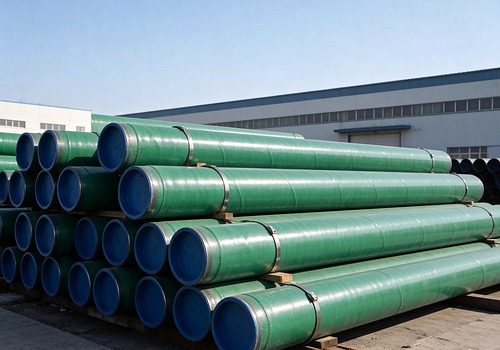
You must understand the differences between these grades to make a safe choice. I always check the tensile strength and carbon content first. Higher carbon means higher strength but less flexibility. This balance is very important for high-temperature pipelines.
| Grade | Tensile Strength | Yield Strength | Common Industrial Application |
|---|---|---|---|
| Grade A | 330 MPa | 205 MPa | Flanging and cold bending |
| Grade B | 415 MPa | 240 MPa | High-temperature fluid pipelines |
| Grade C | 485 MPa | 275 MPa | High-pressure steam systems |
I once helped a client switch from Grade C to Grade B for a standard steam line. We saved them 15 percent on material costs because they did not need the extra tensile strength. We always match the grade to your actual working pressure at Centerway Steel. Do not overspend on Grade C if Grade B meets your system design needs. We keep a large inventory of Grade B because it covers almost 80 percent of typical EPC project requirements. We make sure you get the best value for your construction budget.
Incorrect pipe sizes cause terrible flow problems. Your pumps will work too hard and break down. We help you calculate the exact dimensions for smooth operations.
You determine the right dimensions by calculating the Nominal Pipe Size and wall thickness. Use your system design pressure and operating temperature to find the safe thickness. Thicker walls handle higher pressure and heat safely over a long time.
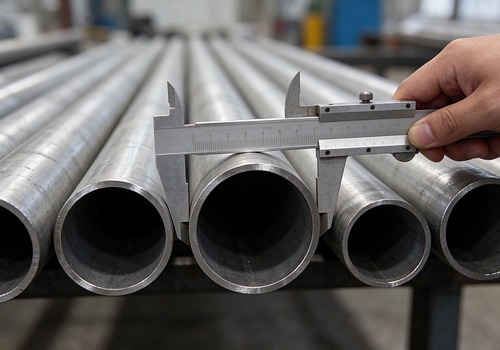
Choosing the right wall thickness keeps your workers and facility safe. High temperatures naturally reduce the structural strength of steel. You need a thicker pipe wall to compensate for this loss of strength. Seamless pipes perform much better than welded pipes in these hot environments.
| NPS Size | Schedule 40 Wall Thickness | Schedule 80 Wall Thickness |
|---|---|---|
| 2 inch | 3.91 mm | 5.54 mm |
| 4 inch | 6.02 mm | 8.56 mm |
| 6 inch | 7.11 mm | 10.97 mm |
Fake or low-quality pipes look exactly like good ones. You risk terrible failures if you buy unverified materials. We show you how to prove pipe quality.
Manufacturer Test Certificates prove your ASTM A106 seamless carbon steel pipe meets safety standards. The certificate shows the chemical composition, mechanical test results, and hydrostatic test data. You must never accept industrial pipes without a valid test document.
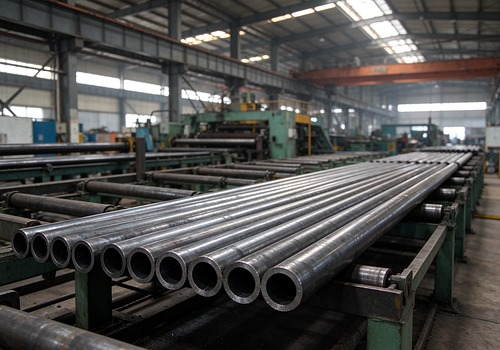
A single piece of paper can save your entire construction project. I always review the test certificates before I approve any steel shipment. You need to verify specific data points to ensure the carbon steel tubing is safe for high-temperature use.
| Document Type | Issued By | Verification Level |
|---|---|---|
| EN 10204 2.2 | Pipe manufacturer | General statement of standard compliance |
| EN 10204 3.1 | Manufacturer independent inspector | Specific factory test results |
| EN 10204 3.2 | Third-party inspector (like SGS or TUV) | Highest level of independent verification |
We always provide a 3.1 certificate as a minimum standard at Centerway Steel. For large EPC contracts, we happily arrange 3.2 inspections with international agencies like SGS or BV. I remember rejecting a batch of pipes from a sub-supplier once because the heat numbers did not match the paperwork. Strict quality control protects your project timeline and your overall budget. You can always trust our tested and verified pipeline products. We make sure every piece of paper matches the physical product perfectly.
Still confused about which grade or size fits your specific site? Guessing the wrong pipe costs time and money. Here are clear answers to guide your final choice. I compiled the most common questions from my clients regarding ASTM A106 pipe selection. Read these quick answers to clear up any final doubts about dimensions, limits, and order details before you make your purchase.
I know buying steel pipes is a big decision. Over my years of experience, buyers ask me the same important questions. To make your job easier, I put together this simple FAQ. You can find your answers right here.
Q: What is the highest temperature ASTM A106 Grade B pipe can handle?
A: It can handle temperatures up to 427 degrees Celsius (800 degrees Fahrenheit). If your system runs hotter, you need to look at alloy steel pipes instead.
Q: Can I order a custom length that is not standard?
A: Yes. We can cut the pipes to your exact project requirements. We offer single random lengths and double random lengths, or we can cut them to a specific fixed length.
Q: Do thick-wall Schedule 80 pipes cost more to ship to Europe?
A: Yes, thicker pipes weigh more, which increases the shipping freight. But we have mature logistics experience. We package and load the containers efficiently to save you shipping money.
Q: What is the smallest seamless pipe you sell for high-temperature use?
A: The smallest seamless carbon steel pipe we supply has a diameter of 1/2 inch (NPS 1/2). It is ideal for small heat exchangers. If you have more questions, you can always reach out to me directly.
Choose ASTM A106 pipes by verifying grades, dimensions, and certificates to ensure system safety. Visit our product page at Centerway Steel to get a fast quote today.