 English
 Español
 Русский язык
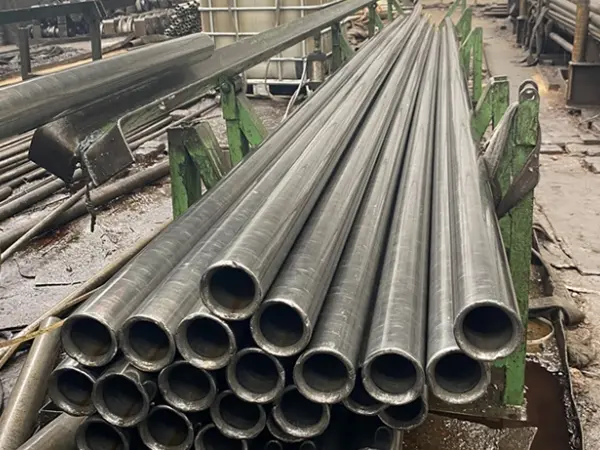
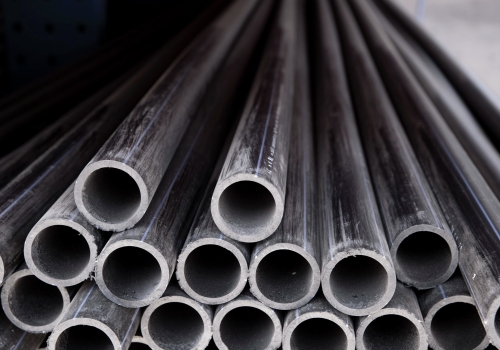
Struggling with weak pipes failing under pressure? Such failures cost time and money. Our a519 cd seamless tube solves this by offering unmatched strength and precision for your projects. An a519 cd seamless tube is a cold-drawn carbon or alloy steel pipe. Manufacturers design it for mechanical and structural applications. It provides exact dimensions, a smooth surface finish, and high yield strength, making it perfect for hydraulic cylinders and tight-fitting machine parts.
You might wonder how this specific tube fits into your next big construction project. Let me break down the details so you can make the best purchasing decision.
Choosing the wrong grade ruins project timelines. Equipment breaks, and replacements drain your budget. You need to pick the exact steel grade to guarantee long-lasting performance. The most common grades for an a519 cd seamless tube are 1010, 1020, 1026, 4130, and 4140. Grade 1026 is top-rated for hydraulic cylinders. Grade 4140 delivers massive strength for heavy-duty shafts. Your choice depends on the needed strength and machinability. Let us look closer at these grades. At Centerway Steel, we frequently supply these materials for massive structural setups. Last year, we partnered with a major contractor in Turkey. They needed reliable materials for a large urban water network project. They initially chose grade 1010 for their equipment. We advised them to switch to grade 1026 for their moving hydraulic components. This small shift reduced their machining distortion by 15 percent. It also saved them thousands of dollars in daily labor costs. You must match the steel chemistry to your exact working environment. Different carbon levels change how the metal cuts and bends.
Here is a breakdown of what you need to know:
· Grade 1020: Acts as the perfect choice for standard structural tubing.
· Grade 1026: Serves as the ideal material for honed hydraulic cylinders.
· Grade 4140: Takes on high-stress jobs in heavy-wall cylinders and moving shafts.
| Steel Grade | Carbon Range | Typical Use Case |
|---|---|---|
| 1010 | 0.08 - 0.13 | Bushings |
| 1026 | 0.22 - 0.28 | Hydraulic cylinders |
| 4140 | 0.38 - 0.43 | Heavy-wall shafts |
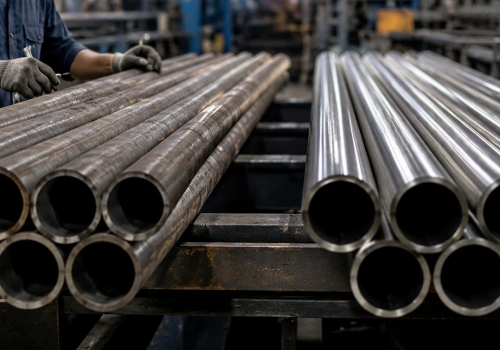
Buying rough, inaccurate pipes causes endless machining headaches. Your workers waste hours fixing bad fits. Cold-drawn pipes eliminate these frustrating dimensional errors completely. Machines pull cold-drawn tubing through a die at room temperature, while hot-finished tubing forms at high heat. The cold-drawing process creates a shiny, scale-free surface and extremely tight tolerances. It also increases the yield strength of the metal through natural work-hardening.
Understanding the manufacturing process helps you control your total costs. Hot-finished tubes cost less upfront but require heavy machining if you build precise parts. The cold-drawing process adds initial cost but pays off during final assembly. We saw this exact scenario during a recent port construction project in Istanbul, Turkey. The local engineering team wanted to use hot-finished pipes to save money on their initial budget. We showed them that the extra machining time would actually increase their total budget by 12 percent. They trusted our experience and switched to our cold-drawn options. They finished the assembly two weeks ahead of schedule. Your project speed depends on the initial surface quality.
Let us compare the two methods directly:
· Machining needs: Cold-drawn requires very little extra work before assembly.
· Strength levels: Cold-working hardens the steel naturally for better durability.
· Size availability: Hot-finished works best for massive, thick-walled designs.
| Parameter | Hot-Finished Tube | Cold-Drawn Tube |
|---|---|---|
| Surface Finish | Rough with oxide scale | Smooth and bright |
| Tolerance | Looser (±0.5 - 1%) | Tighter (±0.1 - 0.3%) |
| Best Application | Low-precision structural | High-precision machining |
Rejecting bad materials at the job site is a nightmare. Poor quality control stops construction cold. Strict tolerance rules and rigorous testing keep your projects moving forward safely. Tolerance standards dictate the exact acceptable outside diameter and wall thickness variations. Testing rules include chemical analysis, tensile testing, flattening tests, and non-destructive checks. These strict rules ensure every tube safely handles high-pressure mechanical workloads without cracking or failing. You cannot guess when it comes to structural safety. Every pipe must meet strict standards before it leaves the factory. At Centerway Steel, we test every batch thoroughly to protect your investment. For instance, hydraulic cylinder applications demand exact inner dimensions. Standard specifications allow some wall thickness variation. We always recommend adding a honing allowance to your order. This ensures your final product fits perfectly. We also provide full material test certificates. These documents prove that the steel chemistry matches your order exactly. You should always ask your supplier for these reports before you accept delivery.
Here is what you can expect for round mechanical tubes:
· Outer diameter up to 38.1 mm: Varies by just 0.15 mm to 0.30 mm.
· Outer diameter 38.1 to 76.2 mm: Varies by 0.30 mm to 0.50 mm.
· Wall thickness under 6.35 mm: Shifts by roughly 10 percent.
· Straightness: Maintains a strict 1:1000 ratio for premium finishes.
| Test Type | Main Purpose |
|---|---|
| Chemical Analysis | Verifies the exact steel composition |
| Tensile Test | Measures the yield and breaking strength |
| Flattening Test | Checks the tube wall for hidden cracks |
| Hydrostatic Test | Confirms safety for high-pressure fluid use |
Still have doubts about picking the right materials? Confusion leads to poor buying choices. Let me clear up the most common questions buyers ask us every single day. Buyers frequently ask about pressure ratings, metric sizing, and grade differences. You can use these tubes for pressure piping if you calculate the wall thickness correctly. You can also order metric sizes easily, provided your drawings match the mill certificates.
We talk to buyers from all over the world every single day. Our Turkish partners often ask us to clarify these exact details before they finalize large container orders. Knowing these answers helps you write clear, enforceable purchase orders. It also prevents costly miscommunications between your design team and the factory. When you understand the limits of the material, you build safer structures. We want you to feel completely confident when you choose Centerway Steel for your pipeline needs.
Here are the direct answers you need:
Q: Can I use this tubing for high-pressure fluid systems?
A: Yes, you can. However, you must calculate the wall thickness carefully and request full hydrostatic testing before shipment.
Q: What separates grade 1020 from grade 1026?
A: Grade 1026 contains more carbon and manganese. This gives it better strength and makes it much easier to machine (especially for honed parts).
Q: Do you supply precise metric dimensions?
A: Absolutely. We follow the metric version of the standard to match your exact local requirements perfectly.
Q: How do I prevent bending during the honing process?
A: Always order your tubes in a stress-relieved condition. This stops the metal from warping when you cut into it.
Choosing the right mechanical pipe guarantees your project success. Contact Centerway Steel today to order your premium a519 cd seamless tube and build your next project with complete confidence.