 English
 Español
 Русский язык
Pipeline leaks destroy your timeline and waste your budget. Poor quality materials cause these huge problems. You need reliable standards to keep your project safe. An api 5l x52 seamless pipe needs clean inside and outside surfaces without cracks or scales. It follows strict rules for diameter, wall thickness, and straightness. You also need smooth ground surfaces and right-angle cut ends without burrs to make perfect fits.
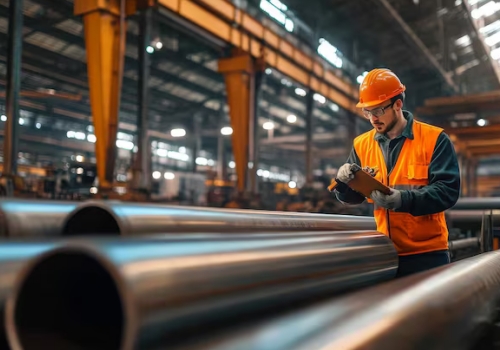
Knowing these basic rules helps you avoid bad purchases. I have worked in the steel pipe industry since 1996. Let me show you the specific details that keep your pipeline projects running fast and stop big failures from happening.
A small surface flaw causes big pipeline breaks. You lose a lot of money when bad pipes fail under high pressure. Strict surface checks stop these disasters. You must check the steel pipe for cracks, wrinkles, crusts, or scales. Factory workers must grind away all defects until the surface feels smooth. The cleared depth cannot exceed the nominal wall thickness negative limit. You must never use welding to fix bad surface areas.
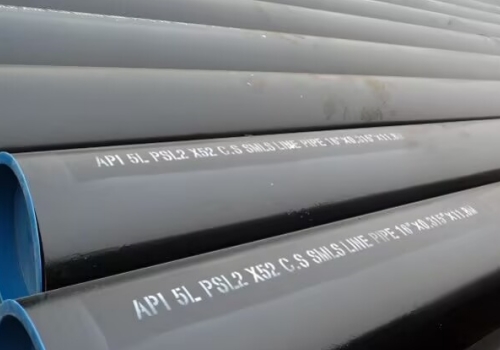
You must pay close attention to the surface quality of your steel pipes. We always check the inner and outer surfaces before shipping. You have to remove specific defects completely. Workers grind the surface to fix minor issues. The final ground surface needs to look smooth and feel flat. Bad surfaces lead to rust and quick failure. You must watch the actual thickness of the cleared zone. This thickness cannot fall below the allowable minimum wall thickness of the steel pipe. We never use welding methods to repair these spots. Welding weakens the metal structure and creates safety risks for your whole system. You also need to prepare the pipe ends correctly. Proper end shapes make installation much faster and cheaper.
· Remove all burrs from the cut edges (this prevents worker injuries and stops bad fits).
· Keep the straight path of the inside and outside surfaces perfectly clear.
| Defect Type | Required Action | Approved Repair Method | Risk If Ignored |
|---|---|---|---|
| Cracks | Remove completely | Grinding | Pipe explosion |
| Scales | Remove completely | Grinding | Fast rusting |
| Deep holes | Reject the pipe | No welding allowed | System leak |
Mismatched pipes stop your daily construction work. You waste days trying to fit wrong sizes together. Exact dimension limits keep your field work moving fast and easy. Dimension tolerances control the exact physical size of the pipe. The diameter deviation stays within +0.01D, up to a maximum of +4mm. The ellipse deviation reaches 0.02D, up to 10mm. The wall thickness deviation ranges from -5% to +20%, keeping walls very strong.
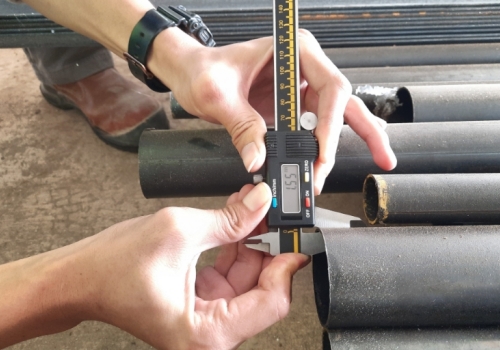
You need exact measurements to build a strong pipeline network. We follow strict dimension limits to give you the best products. Wall thickness directly changes the pressure capacity of the pipeline. The average wall thickness of each steel pipe must never fall below the specified target thickness. Thin walls cost you less but fail much faster. Straightness is another key factor. Curved pipes do not align well during installation. We measure straightness carefully to save your team time. The total deviation of the full length relative to a straight line must stay very low. It should remain less than 0.2% of the total pipe length. We also measure local deviations. We check every 1000mm segment of the pipe. The local deviation of the line in this short segment must stay under 4mm.
· Check the diameter deviation (maximum +4mm limit).
· Measure the ellipse deviation (maximum 10mm limit).
· Verify the wall thickness deviation (-5% to +20% range).
· Test the overall straightness (under 0.2% of total length).
| Measurement Type | Allowed Deviation | Maximum Limit | Inspection Tool |
|---|---|---|---|
| Diameter | +0.01D | +4mm | Caliper |
| Ellipse | 0.02D | 10mm | Gauge |
| Wall thickness | -5% to +20% | N/A | Ultrasonic meter |
Buying steel pipes brings up many doubts. Unclear answers lead to bad buying decisions. I will clear up your top concerns right now so you can buy safely. Customers often ask about welding rules and straightness checks. We do not allow any welding interfaces on the main pipe body. You must check local straightness within a 1000mm length. These strict rules guarantee the pipe handles high pressure safely during your projects.
You might still have some questions about our pipeline products. I meet many buyers who want to know more details before they place a big order. We want to give you all the information you need. Clear answers help you choose the right materials for your big construction projects. I listed the most common questions from our clients below.
Question: Can we weld the pipe body to fix small surface cracks?
Answer: No. You cannot use welding methods to fix any surface defects. You must grind the surface smoothly instead.
Question: What happens if the grinding depth is too deep?
Answer: The depth of clearance must not exceed the negative deviation of the nominal wall thickness. You must keep the actual thickness above the minimum allowable limit.
Question: How do you prepare the pipe ends for shipping?
Answer: We cut both ends of the steel pipe into right angles. We then remove all burrs to make the edges safe and smooth.
Question: Do you allow welding interfaces on the pipe?
Answer: No. The strict standard does not allow any welding interfaces on the seamless steel pipe.
Proper standards stop costly pipeline failures. Centerway Steel supplies high-quality pipeline materials for global projects. Contact us today to order your perfect api 5l x52 seamless pipe!