 English
 Español
 Русский язык
Are you facing costly pipeline leaks? Weak materials destroy your project budget. Choosing the right steel pipe solves your pressure problems and saves your money. A gas carbon seamless steel pipe forms a solid steel tube without weld seams. It handles extreme pressure and stops dangerous gas leaks. We use these pipes to transport fluids safely. They give you high strength and lower costs compared to stainless steel.
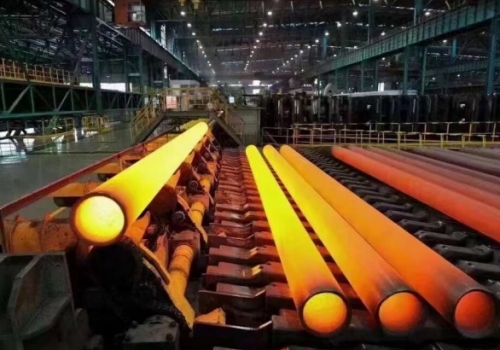
Let us look closer at why these strong pipes fit your energy transport needs and how they protect your entire system from sudden failures.
Have you ever dealt with a cracked pipeline? High pressure easily breaks weak weld joints. You need a solid, seamless design to stop these dangerous failures immediately. You need a gas carbon seamless steel pipe because it lacks weak points. This solid structure gives you much higher pressure limits than standard welded pipes. It keeps your gas flow safe and ensures your system runs smoothly for decades.
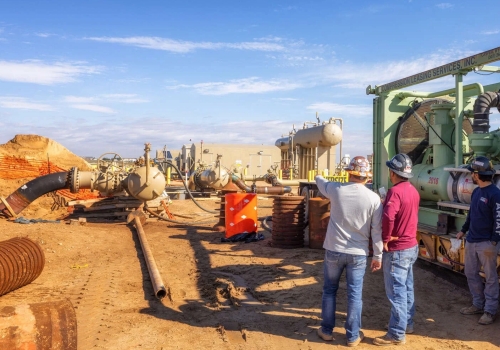
I want to show you the real numbers behind these pipes. When we supply materials for large energy projects, our clients always check the exact performance limits. You must understand these limits to build a safe system. These seamless tubes survive harsh weather and extreme internal stress.
· Wide temperature range (safely operating from -29°C to 427°C)
· Long working life (lasting over 30 years under normal use) Let us compare the costs and safety risks of different pipe types.
| Feature | Seamless Carbon Steel | Welded Carbon Steel | Stainless Steel |
|---|---|---|---|
| Manufacturing | Solid steel extrusion | Rolled and welded plates | Extruded or welded |
| Pressure Limit | Very High | Medium | High |
| Cost Level | Moderate | Low | Very High |
| Leak Risk | Near Zero | Moderate | Near Zero |
Are you confused by so many pipe grades? Picking the wrong standard ruins your pipeline and creates safety hazards. We must find the exact match. You must select the pipe grade based on your specific pressure and fluid type. For natural gas transport, API 5L or ASTM A106 standards work best. They provide strict quality rules and guarantee that your pipes will not fail under heavy stress.
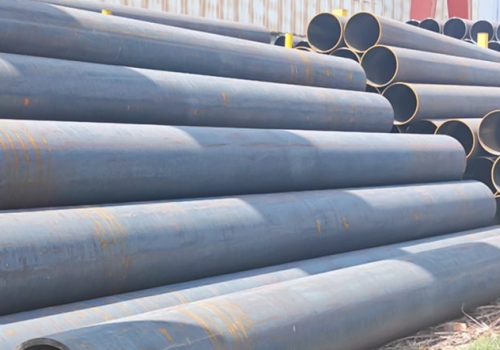
You need to match industry standards to your actual gas lines. I always advise our partners to look closely at the steel grade and the wall thickness. A thicker wall naturally holds more pressure.
· ASTM A106 Grade B (the best option for high-temperature fluid service)
· ASTM A53 Grade B (useful for general low-pressure structural transport) You also must plan for rust prevention. Carbon steel offers massive strength, but it rusts when exposed to water or wet soil. You must apply the right protective coatings to your pipes. Here is a clear guide on coating choices.
| Coating Type | Best Use Environment | Extra Lifespan Added |
|---|---|---|
| 3LPE (3-Layer Polyethylene) | Buried underground gas pipelines | +20 to 25 years |
| FBE (Fusion Bonded Epoxy) | Wet or highly humid areas | +15 to 20 years |
| Galvanized Zinc | Above ground in mild weather | +10 to 15 years |
By choosing a 3LPE coating, you block soil chemicals and moisture from reaching the bare metal. This one simple step lowers your future maintenance costs by nearly half. Always confirm your wall thickness and your coating type before you place any order. We can easily help you calculate the exact dimensions for your specific gas network.
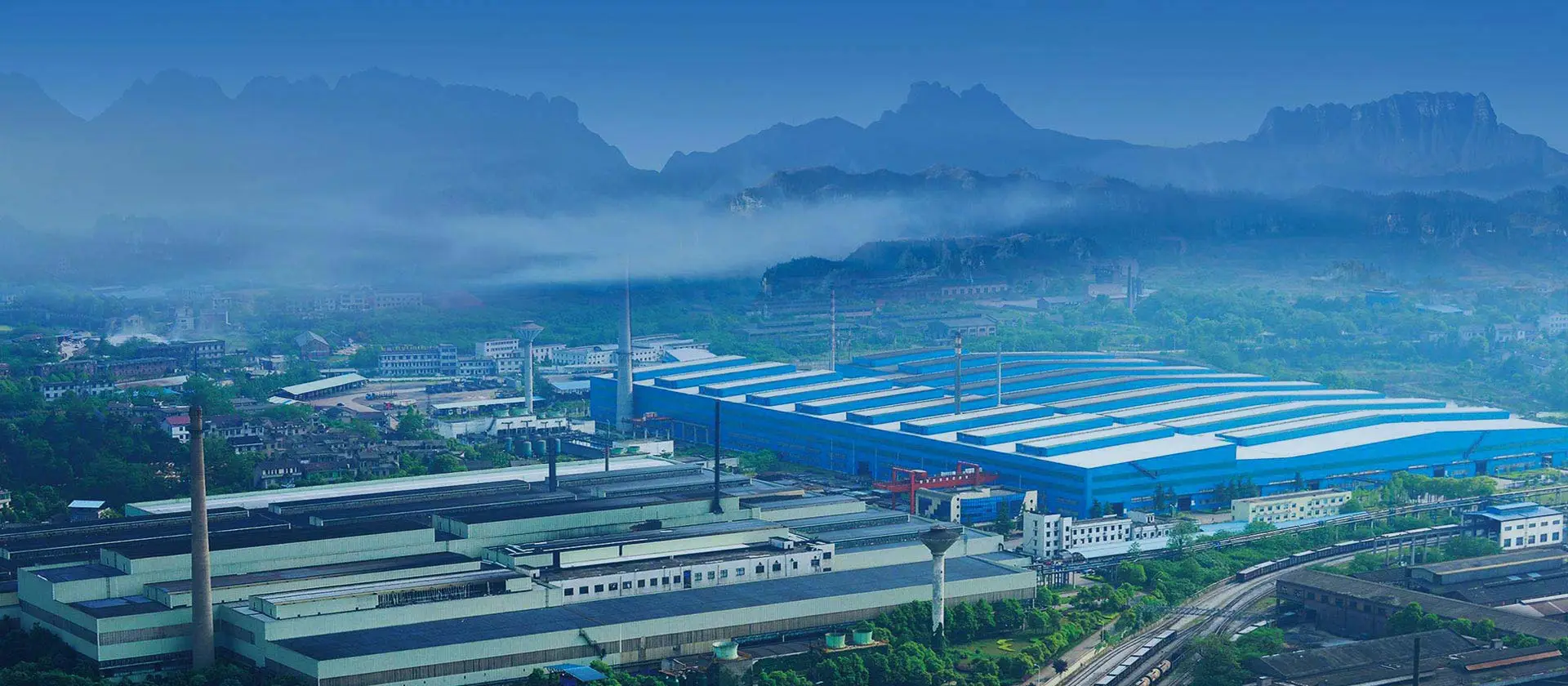
Do you worry about hidden cracks in your steel? Poor factory methods lead to dangerous pipe bursts. Strict factory testing stops these disasters before they happen. We heat a solid steel block and push a piercing rod right through its center. This method forms a pure tube without any weld seams. We then stretch and roll the hot steel to hit your exact size requirements with perfect precision. I want to explain our production steps clearly. You deserve to know exactly how we secure the quality of your gas carbon seamless steel pipe orders. I walk through our Centerway Steel factory floors often. The strict testing we do at every single step protects your entire project.
· Center piercing (we force a heavy mandrel through the hot center)
· Rolling and sizing (we shape the tube to your exact required dimensions)
· Cooling and finishing (we cool, cut, and straighten the final pipe) We never just pack the pipe and ship it. We run intense tests. You cannot risk a tiny flaw in a high-pressure gas line.
| Factory Test Type | What It Checks | Why You Need It |
|---|---|---|
| Hydrostatic Test | Internal pressure limits | Proves the pipe will not burst under heavy gas flow |
| Ultrasonic Test | Internal wall flaws | Locates hidden cracks deep inside the steel material |
| Eddy Current Test | Surface metal defects | Finds tiny outside scratches that could start rust |
These mandatory tests guarantee your pipes arrive in perfect condition. When we supply steel products to major global energy companies, they demand these exact test reports. We give you the exact same level of extreme safety control for your pipeline systems.
Q: Can I use a gas carbon seamless steel pipe for underground lines?
A: Yes. You must apply a strong external coating like 3LPE to stop soil moisture from rusting the metal.
Q: What makes seamless pipes better than welded pipes?
A: Seamless pipes lack weld joints. This solid shape makes them much stronger and helps them handle higher gas pressure safely.
Q: How many years will these carbon steel pipes last?
A: With the correct anti-rust coating and basic care, these pipes easily last 30 to 50 years in gas transport systems.
Seamless pipes give you the safest, strongest structure for your gas transport. Contact Centerway Steel today to get a top-quality gas carbon seamless steel pipe for your next project!