 English
 Español
 Русский язык

When it comes to plumbing and water distribution systems, choosing the right water line pipe is crucial for durability, efficiency, and safety. Whether you're working on a residential, commercial, or industrial project, understanding the different water line pipe types can help you make the best decision. In this article, we’ll explore what type of pipe is used for main water lines and discuss the most common types of water line pipes available today.
Selecting the best water line pipe for main water supply depends on factors like water pressure, soil conditions, and budget. Historically, galvanized steel and cast iron were popular, but modern systems often use more durable and corrosion-resistant materials. Here are the most common types of water line pipes used today:
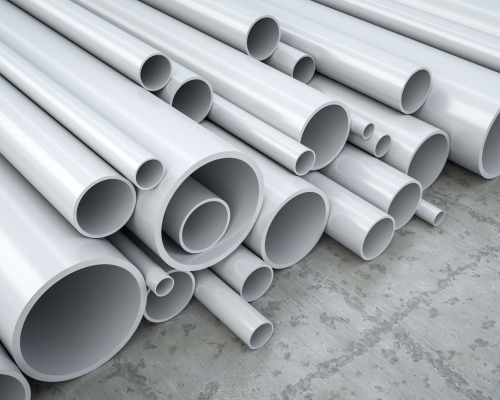
PVC pipes are lightweight, affordable, and resistant to corrosion, making them a popular choice for water line pipe installations. They are ideal for cold water supply but not recommended for hot water due to temperature limitations.
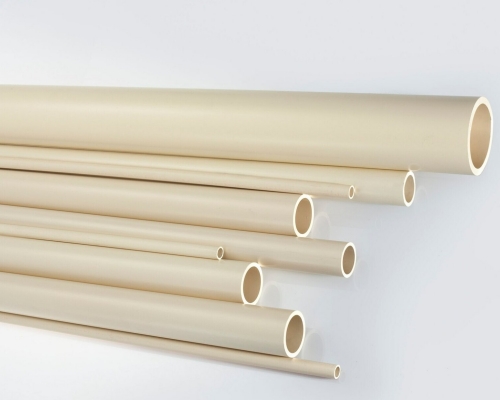
CPVC pipes are similar to PVC but can handle higher temperatures, making them suitable for both hot and cold water lines. They are often used in residential plumbing systems.
PEX pipes are flexible, easy to install, and resistant to freezing, making them a top choice for modern plumbing systems. They are commonly used for indoor water supply lines.
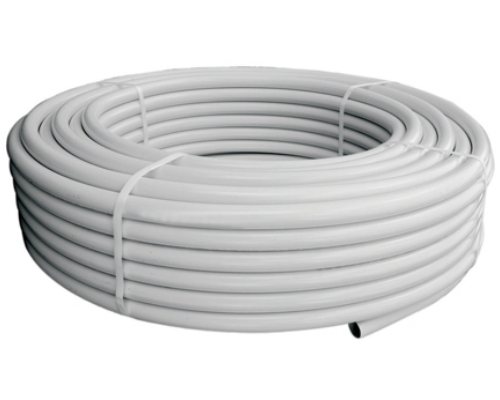
Copper has been a trusted material for water line pipes for decades due to its durability and resistance to bacteria. However, it is more expensive than plastic alternatives.
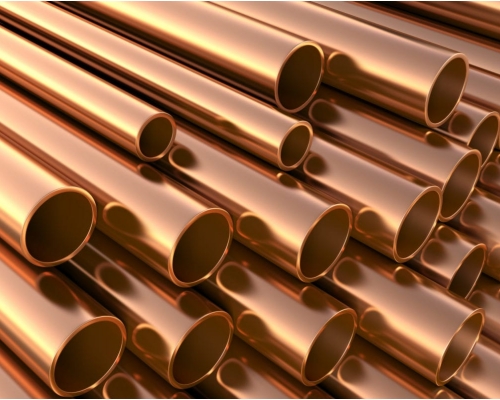
HDPE pipes are highly durable and resistant to chemicals, making them ideal for underground water line pipe installations. They are often used in municipal water systems.
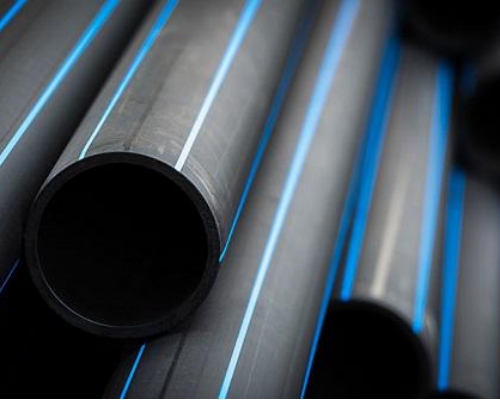
When deciding what type of pipe is used for main water lines, consider the following factors:
· Water Pressure Requirements: Some materials, like copper and HDPE, handle high pressure better than others.
· Soil Conditions: For underground pipes, corrosion resistance is key—HDPE and PVC are excellent choices.
· Budget: Plastic pipes (PVC, PEX) are more cost-effective than copper.
Understanding the different water line pipe types ensures a long-lasting and efficient water supply system. Whether you need a pipe for residential plumbing or a large-scale municipal project, selecting the right water line pipe is essential. From PVC and PEX to copper and HDPE, each material has unique benefits. By evaluating your needs, you can determine what type of pipe is used for main water lines in your specific application.