 English
 Español
 Русский язык
Does your boiler use too much fuel? Dirty tubes cause high energy bills and slow down projects. You need a real fix to stop these huge money losses today. Boiler tube cleaning is the process of removing hard scale, rust, and soot from inside boiler tubes. This essential maintenance stops heat loss, lowers fuel use, and prevents pipe damage. Clean tubes help your entire boiler system run safely and smoothly for many years.
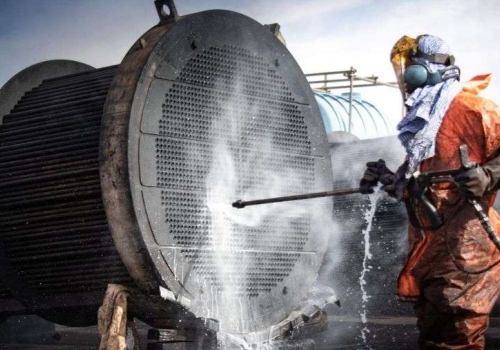
I remember a major construction project where a neglected boiler caused a total system shutdown. If you want to avoid project delays, you must understand the right way to clean your boiler tubes.
Are you risking your team's lives? Accidents during maintenance happen fast and cause severe injuries. Strict safety steps will protect your workers and your equipment perfectly. Before starting any boiler tube cleaning, you must isolate the boiler, cut off all steam lines, and depressurize the system. You also need to drain the water, ventilate the area, and wear proper safety gear like goggles and heavy gloves.
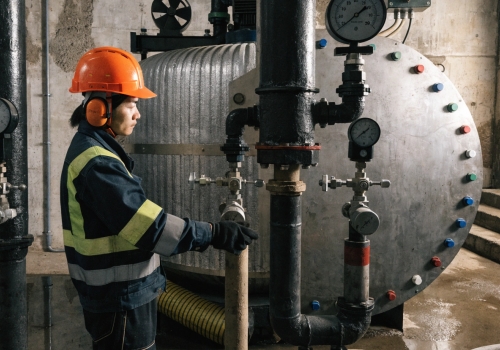
Safety is my top priority when I help EPC companies manage their pipelines and boilers. Many years ago, I saw a worker get a bad burn because he did not depressurize a pipe properly. Since then, I always check every safety rule. You must lock out the boiler first. This means nobody can turn it on by mistake. Next, you drain all the water and let the heat go away. Boilers hold toxic fumes sometimes. So, you must put fans in the room to bring in fresh air. Good air keeps everyone safe.
Your team needs the best gear. I tell every purchasing manager to buy strong protective clothing. Workers need masks to block the dust. They need safety glasses to protect their eyes from sharp scale pieces. Also, you must follow the guide from the boiler maker. Every boiler is a bit different.
| Safety Step | Action Required | Reason |
|---|---|---|
| Lockout System | Shut off power and steam lines | Stops accidental starts |
| Depressurize | Release pressure very slowly | Prevents explosion risks |
| Ventilation | Use fans to clear the air | Removes harmful chemical gases |
| Wear PPE | Use masks, gloves, and glasses | Protects workers from injuries |
Is your boiler breaking down too often? Frequent repairs waste your time and destroy your budget. Routine cleaning stops these breaks and keeps your site running. Regular boiler tube cleaning improves heat transfer efficiency and saves fuel. It stops bad corrosion and extends the life of your boiler tubes. This simple habit also reduces expensive repair costs and makes the whole boiler system much safer for everyday use.
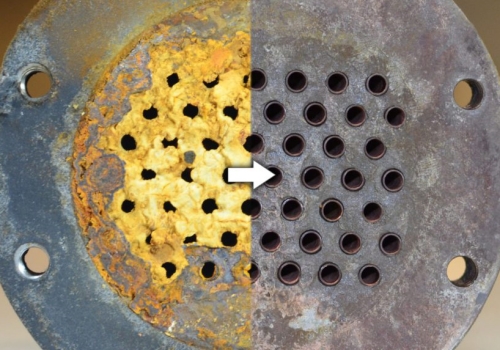
I always tell my EPC clients that dirty tubes are like a thick winter coat. The dirt traps the heat inside the metal. The heat cannot go into the water. Because of this, the boiler uses much more fuel to make steam. Once, I helped a client who spent too much money on fuel. We did a full boiler tube cleaning. His fuel costs dropped very fast. The heat moved into the water perfectly again. You can save thousands of dollars just by removing the scale.
Scale and rust eat the metal. If you leave the dirt in the tubes, the metal becomes weak. The tubes will break eventually. Buying new tubes is very expensive. A clean tube fights rust better. I have seen clean boilers last many years longer than dirty ones.
| Benefit | How It Works | Project Impact |
|---|---|---|
| High Efficiency | Removes scale to let heat pass | Lowers daily fuel bills |
| Longer Life | Stops rust from eating the metal | Delays expensive replacements |
| Lower Repair Costs | Stops tubes from breaking suddenly | Keeps construction on schedule |
| High Safety | Prevents overheating in the pipes | Protects the factory workers |
Do you know the right way to clean? Wrong methods damage the metal and ruin your pipes. Using the correct cleaning strategy guarantees a long life. You can clean boiler tubes using mechanical tools like brushes and scrapers. For hard scale, you can use chemical acids or high-pressure water jets. Steam blowing and ultrasonic waves also remove stubborn dirt without breaking the strong steel pipes.
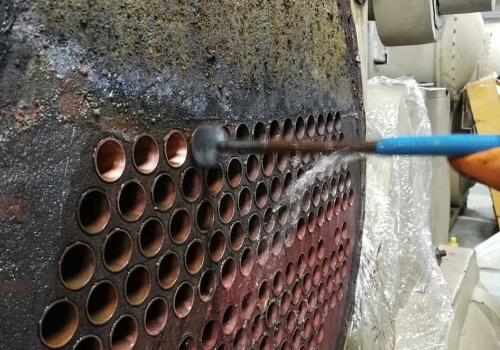
I find that simple tools often work the best. Mechanical cleaning uses wire brushes and metal scrapers. Workers push these tools into the tubes to scrub the dirt away. We often use rotary tube cleaners for large jobs. These machines spin a brush very fast inside the pipe. A client once had very thick soot in his system. We used a rotary brush, and it cleared the tubes in just two days. You must be careful, though. Do not scrape too hard, or you will scratch the inner metal.
Sometimes, brushes cannot remove hard rock-like scale. In these cases, we use chemical cleaning. We put mild acids inside the tubes to melt the hard scale. You must wash the tubes with water right after. High-pressure water jetting is another great choice. It uses plain water but shoots it very fast. The water cuts the dirt like a knife.
| Cleaning Method | Best Used For | Tool Used |
|---|---|---|
| Tube Brushing | Loose soot and light dust | Steel or nylon brushes |
| Chemical Acid | Hard rock-like scale | Acid and neutralizer |
| Water Jetting | Thick deposits without chemicals | High-pressure water pump |
| Ultrasonic | Dirt in hard-to-reach places | Sound wave machine |
Proper boiler tube cleaning saves money, protects workers, and keeps your projects on time. Choose the right cleaning method today to enjoy a highly efficient, long-lasting boiler system safely.