 English
 Español
 Русский язык
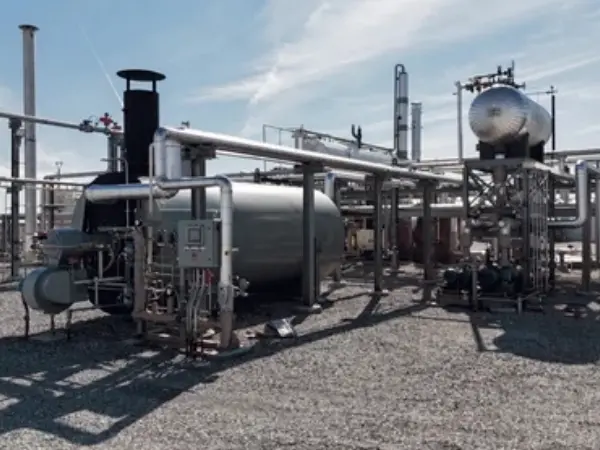
Are frequent pipe leaks halting your factory production? Industrial fluid transport requires tough materials. We will show you how the right piping systems stop these expensive failures. Mechanical piping is a broad network that moves high-pressure fluids, gases, and chemicals, distinct from standard plumbing. Engineers often use a seamless steel pipe for these systems because it safely handles extreme temperatures, ensuring your plant runs smoothly.
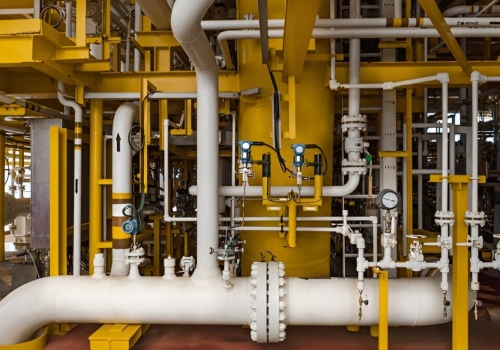
You might think any large tube can do the job. However, picking the wrong material will quickly destroy your entire facility. Let us look at the details.
Do you mix up building drains with chemical lines? Using standard plumbing for factory processes creates severe safety risks. Let us separate these two distinct systems clearly. Mechanical piping supports facility operations by moving industrial gases and chemicals, while plumbing handles human-use water and waste. Mechanical systems require heavy-duty materials like seamless steel pipes, whereas standard plumbing relies on lighter materials governed by sanitary codes.
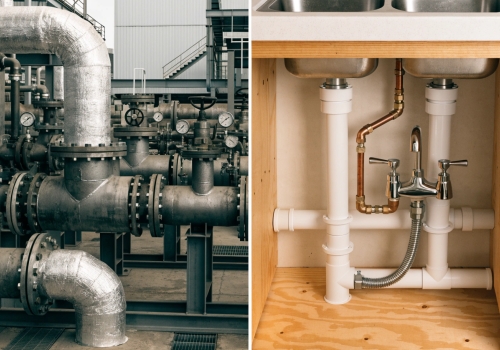
When I talk to site managers, they often confuse these basic terms. Last year, our team supplied materials for a large oil refinery project in Nigeria. The local team initially planned to use standard commercial grade pipes for a secondary cooling line. We quickly stepped in to fix this mistake. We explained that the high-pressure demands required a specific seamless steel pipe. This choice prevented burst risks under the intense African heat.
· Pressure limits: Factory lines handle up to 3000 psi, while building water runs at 50 psi.
· Code standards: Industrial uses strict ASME rules (American Society of Mechanical Engineers), while domestic uses basic sanitary codes.
· Fluid types: Plumbing only moves water, while mechanical setups move heavy oil and gas. Here is a quick breakdown to help you choose the right setup:
| Feature | Mechanical Piping | Plumbing |
|---|---|---|
| Primary Use | Industrial processes and steam | Drinking water and sinks |
| Material | Seamless steel pipe and alloys | Copper and PVC plastic |
| Pressure | Extremely high | Low to moderate |
| Focus | Facility function and safety | Human comfort and hygiene |
Are your factory lines carrying dangerous acids or hot steam? Weak joints will eventually crack and leak. You need a material built for extreme internal stress. Process piping relies on a seamless steel pipe because it lacks a welded seam, making it significantly stronger. This solid structure allows the pipe to transport volatile chemicals, high-pressure steam, and heavy fuels without the risk of joint failure under stress.
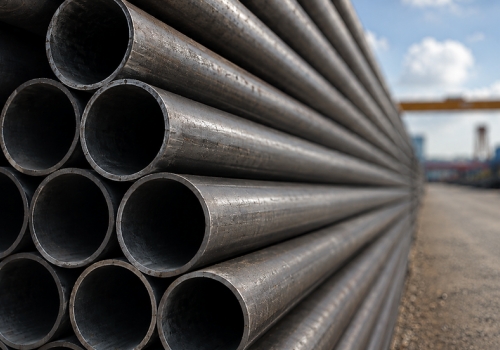
Process piping moves the raw materials that make your final products. This system includes corrosive acids, thick oil, and combustible gases. Because these materials are highly dangerous, you cannot cut corners on quality. I always recommend using a seamless steel pipe for these specific networks.
· High strength: The lack of a weld means the tube has no weak points.
· Better pressure handling: It can handle 20 percent more pressure than regular welded alternatives.
· Corrosion resistance: Smooth inner walls stop chemical buildup over time.
· Long life span: It requires fewer repairs during its life cycle. Let us look at a real example. In a recent offshore gas project, the client needed pipes that could withstand saltwater air and intense internal gas pressure. We supplied ISO 9001 certified seamless pipes directly from our stock. This smart choice reduced their routine maintenance costs by 15 percent over the first two years. We always test our materials strictly before shipment. We use reliable third-party inspectors like SGS and TUV. This process guarantees your project stays safe. It also ensures you meet all strict global standards without extra stress.
Do you still have doubts about selecting the right piping equipment? Choosing materials can feel overwhelming. Here are direct answers to help you decide quickly. This FAQ answers your direct queries about mechanical systems, cost factors, and material choices. Finding the right seamless steel pipe supplier ensures your project stays on budget. Read these answers to clarify your specific industrial transport needs.
· It moves raw materials like chemicals or gases through a large manufacturing plant.
· It operates entirely separately from the building heating or cooling systems.
· It focuses on making the facility produce goods safely.
· It offers a much higher pressure capacity for heavy industrial use.
· It has no weak weld joints, which lowers the risk of sudden leaks.
· It lasts much longer in harsh environments, saving you fast replacement costs.
· Look for companies with recognized international certifications (like ISO 9001 or CE).
· Check their past project experience in your specific region and local climate.
· Ensure they offer custom sizing to fit your tight facility layouts.
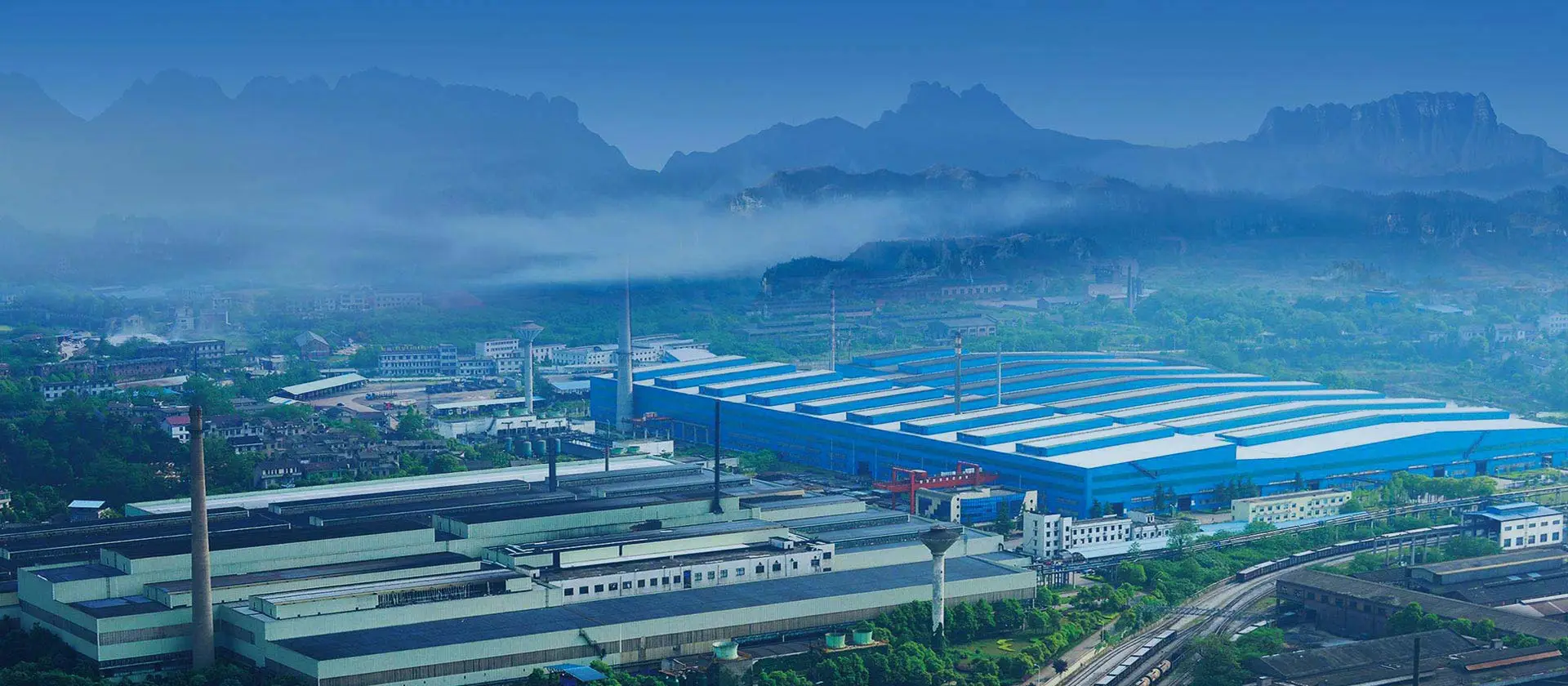
· Confirm they have a strong inventory to ship your orders fast. We have worked hard since 1996 to build a one-stop supply chain. Our expert team handles everything from factory production to final delivery. This simple approach helps you avoid dealing with multiple vendors. You get your high-quality pipes on time and keep your project perfectly on schedule.
Mechanical piping requires durable materials to keep your factory safe. We offer top-quality steel pipes to meet your demands. Contact Centerway Steel today for your reliable pipeline solutions!