 English
 Español
 Русский язык
Are your steel pipelines rusting too fast? You lose money when pipes fail early. A proper pickling and passivation process solves this problem for good. Pickling and passivation is a chemical treatment for a seamless pipe. Pickling removes rust, oxide scale, and dirt from the steel surface. Passivation creates a protective silver-white film. Together, these steps stop oxidation and highly increase the corrosion resistance of your pipes.
You might think buying any standard pipe is enough. But skipping this surface treatment can ruin your entire construction project. Let us look closer at how this works.
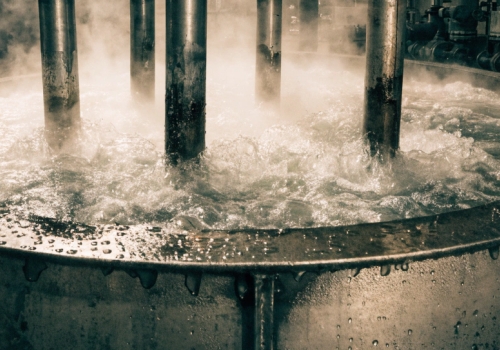
Dirt and oil hide on new pipes. These bad impurities weaken your pipeline joints. Pickling cleans the metal deep down so you can build safe projects. Pickling uses an acid liquid to wash the seamless pipe. This acid strips away iron oxides, oil, and drawing compounds. We prefer soaking the pipes in an acid bath. Soaking works much better than brushing acid paste on the metal.
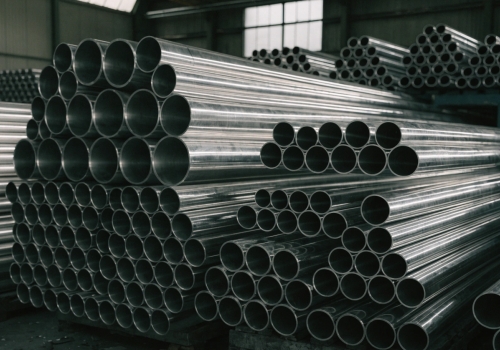
I have worked in the steel pipe industry for many years. I talk to many project buyers as a supplier at Centerway Steel. I see buyers struggle with dirty pipes. The pickling process is very strict. First, we must remove all oil and grease from the metal. The acid cannot touch the metal if oil covers the surface. We put the seamless pipe into the acid bath after we remove the oil. We test the acid liquid regularly to ensure good quality. The cold drawing process follows a clear path. Here is the basic flow for our products:
| Step Number | Process Action | Purpose of the Action |
|---|---|---|
| Step 1 | Raw material prep | We get the raw tube ready for sizing. |
| Step 2 | Pickling | We remove all oxide scale and rust. |
| Step 3 | Saponification | We add lubrication for smooth drawing. |
| Step 4 | Cold drawing | We shape the pipe to exact sizes. |
Raw steel reacts with air quickly. Your new pipes will rust before installation. Passivation stops this quick rusting and saves your material budget completely. Passivation is a chemical process that follows pickling. It builds a thin, invisible oxide film on the clean steel surface. This protective film stops oxygen from touching the raw iron. It greatly improves the corrosion resistance of your seamless pipe.
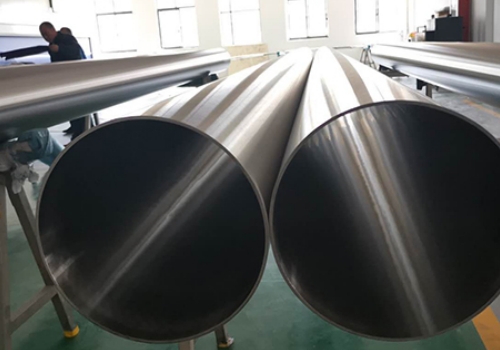
I remember a time when an EPC contractor contacted me. He bought cheap, untreated pipes from another place. His pipes gathered iron oxide and heavy weld slag during welding. The pipes started to corrode before the construction even finished. He lost a lot of money and time. He came to Centerway Steel for help. I told him about our passivation process. We must protect the fresh metal after we wash the dirt off the pipes with acid. Passivation changes the active metal surface into a passive state. This ensures your production process runs normally without pipe failures.
You must clear away all welding splashes and dust before the final treatment. We always use a special bath to soak the pipes. The liquid reaches every corner inside and outside the seamless pipe. This total coverage guarantees the best protection for your engineering projects.
Issue Before Passivation
How Passivation Fixes It
Result for Your Project
Weld slag and dirt build-up
It cleans the surface completely
You get better welding joints
Fast rusting in wet air
It forms a strong shield
Your pipes last many years
Oil and grease stains
The chemical wash clears all marks
You get a clean and professional look
Choosing the wrong acid washing method ruins the metal. Weak treatments leave rust spots behind. You must use the correct liquid soaking method for perfect results. Liquid soaking is the best method for acid washing. You dip the entire seamless pipe into a large tank of acid liquid. This method cleans the inside and outside evenly. You should avoid brushing acid paste on the pipes because it leaves uneven spots.
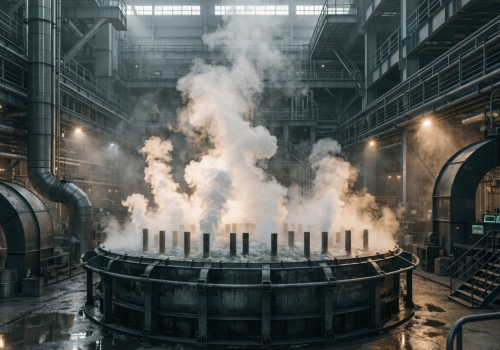
I always want to give you the best advice as a pipeline supplier. Some factories try to save money. They brush acid paste onto the steel surface. I do not recommend this brushing method for your big projects. Brushing cannot reach the deep inside of a long tube. It only cleans the outside poorly. We always use the liquid soaking method at Centerway Steel. We put the tubes into a big pool of chemical liquid. The liquid flows through the whole tube. This method is very stable and safe. You must test the chemical liquid regularly. You need to know if the acid is still strong enough.
| Application Method | Advantages | Disadvantages |
|---|---|---|
| Liquid Soaking (Pool) | It cleans everywhere evenly | It requires large factory tanks |
| Acid Paste Brushing | It is good for small spot fixes | It fails to clean inside the tube |
| Spraying | It is a very fast process | It is very dangerous for workers |
Pickling and passivation remove rust and build a strong shield on your steel. This simple chemical process greatly extends the life of your pipelines in any construction project.