 English
 Español
 Русский язык
Choosing the wrong pipe limit causes huge project failures. You face terrible leaks, safety risks, and budget overruns. You need to pick the right limit now. The stainless steel seamless pipe pressure rating measures its ability to hold internal force. We usually measure this in megapascals (MPa). Ratings range from low to high. Your choice depends on the pipe size and operating environment. This helps you build safe projects.
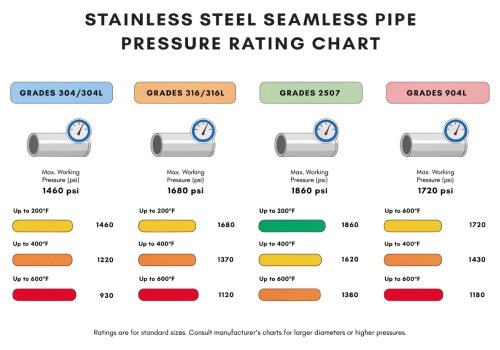
You might think any strong steel pipe will do the job. However, stopping here means you will miss the exact details that keep your construction projects safe.
High-pressure systems demand exact pipe limits. Guessing the grade risks your whole EPC project. Let us look at how we group these ratings for safe pipeline design. We classify the stainless steel seamless pipe pressure rating into three main levels. Low pressure handles below 10 MPa. Medium pressure manages 10 to 100 MPa. High-pressure pipes endure 100 MPa and above. These grades help engineers match the pipe to specific systems.
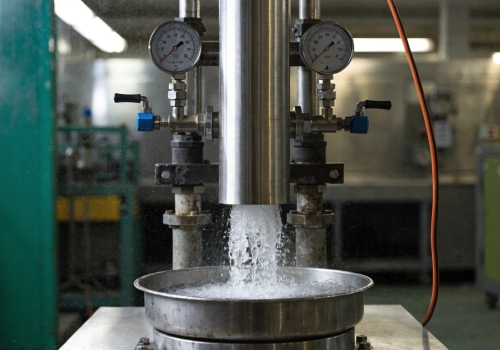
I remember working with a chemical plant buyer a few years ago. The engineers needed pipes. These pipes had to handle strong fluids under high pressure. We looked closely at the stainless steel seamless pipe pressure rating. We divide the pressure limits using strict industry rules. This makes things clear. Understanding these categories helps you save costs. It also ensures safety. Let me show you a simple table. We use this table to check common pressure grades. It also shows their capacities.
| Pressure Grade | Minimum Bearing Capacity (MPa) | Typical Application |
|---|---|---|
| Low Pressure | Below 10 | Water supply, food systems |
| Medium Pressure | 10 to 60 | Chemical processing, oil refining |
| High Pressure | 60 to 100 | Power generation, oil lines |
| Ultra-High | 100 and above | Aerospace, heavy pressure vessels |
You found the right material. The pipe still fails. Incorrect sizing destroys pressure limits. We must see how wall thickness and diameter change everything. The size directly changes the force limit. Smaller diameters and thicker walls hold much higher pressures. Larger diameters with thin walls handle much less pressure. You must match the outside diameter and wall thickness. This helps you hit your required grade.
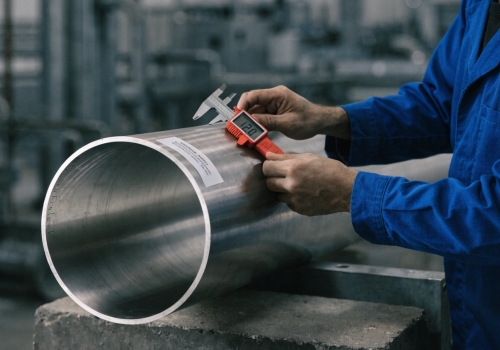
I have seen many people forget about the pipe size. This happens often since we started our business in 1996. They think the steel grade does all the work. The physical shape of the pipe is just as important. Think about a balloon. A small balloon with thick rubber is hard to pop. A large balloon with thin rubber pops easily. Steel pipes act the exact same way. Engineers use specific math formulas to find the true working limit. They look at the outside diameter. They also look at the wall thickness. You can keep the outside diameter the same. Then you increase the wall thickness. The pipe handles much more internal force. We helped a client change their pipe design during a recent water treatment project. They wanted a very large pipe with a thin wall. They wanted to save money. We showed them a big problem. This choice drops the pressure limit too low. We found a better balance for them. We used a slightly smaller diameter with a thicker wall. This change met their pressure needs. It still saved them money. You always need to check the size. This action gives you a safe pipeline.
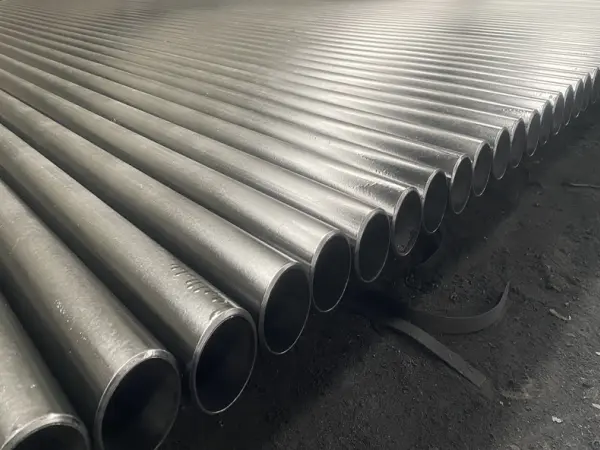
Regular pipes rust and break under heavy stress. This causes leaks and stops your factory work. Let us see why seamless pipes solve these heavy industry problems. These pipes have no weld seams. This makes them naturally stronger against internal force. Stainless steel provides excellent resistance to rust and harsh chemicals. They hold their shape in extreme heat or cold. This makes them perfect for harsh environments like oil plants.
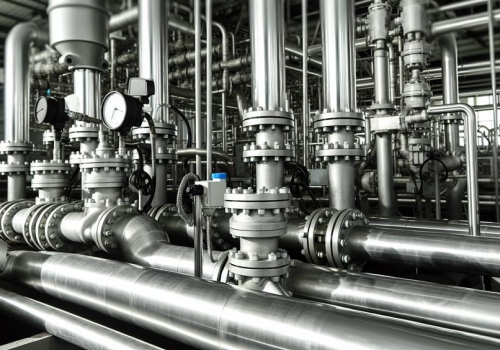
You might want to use welded pipes to save money. Welded pipes have a long seam. That seam is a natural weak point. High pressure hits a welded pipe. The seam can crack open. Seamless pipes lack this weak point completely. Workers form them from a single solid block of steel. This solid structure gives them a much higher safety limit. The production process matters a lot too. We use a detailed process to make these pipes strong. We start with good steel blocks. Then we pierce, roll, and stretch them carefully. We also use heat treatment and cold drawing. These exact steps make the metal grains tight. This makes the metal very strong. I always tell my clients about the extra benefits of the material. Stainless steel fights off acid and salt very well. The pipes will not thin out from rust. A thinner pipe loses its pressure limit over time. Stainless steel stays thick and strong. The pressure rating stays high for the whole project life. This gives you total peace of mind. It also cuts down on future repair costs.
Knowing the exact pressure limit ensures total project safety. Centerway Steel provides top-quality stainless steel seamless pipes. We meet your exact needs. Contact us for your one-stop pipeline solution today!