 English
 Español
 Русский язык
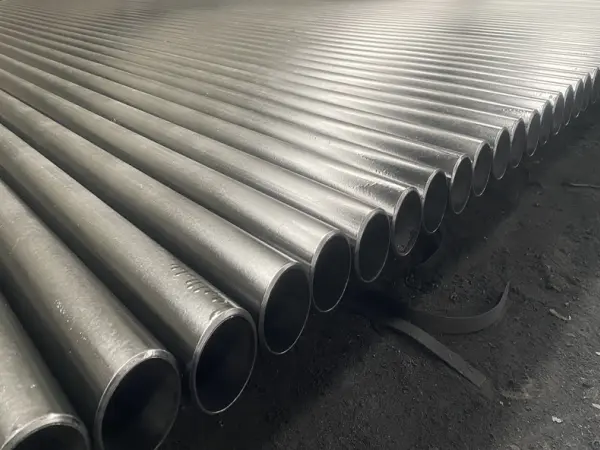
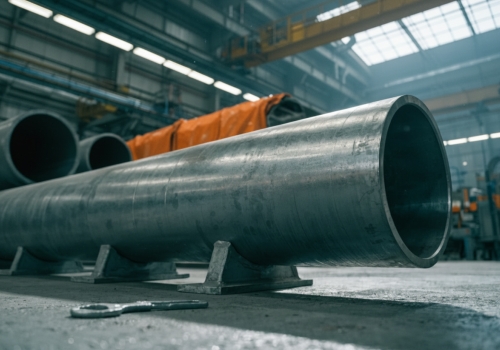
High temperatures and high pressure can make weak pipes fail. This causes huge project delays. You need a strong pipe that handles extreme heat without breaking. An a106 seamless pipe is a carbon steel pipe made exactly for high-temperature jobs. It is great for bending, flanging, and welding. Refineries, power plants, and boiler projects use this pipe to safely move hot fluids under high pressure.
Many buyers struggle to pick the right pipe for harsh conditions. If you choose wrong, you lose money. This guide will share details about this pipe. You will learn how to make a smart choice for your next big project.
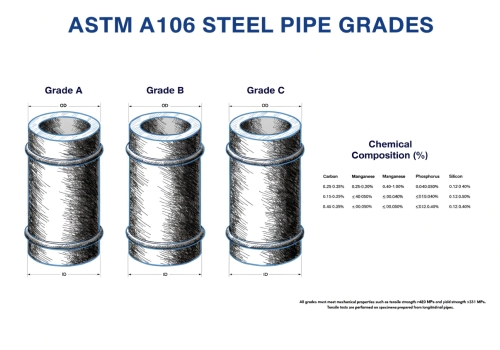
Choosing the wrong pipe grade wastes money and risks safety. You must know the exact chemical mix to match your strict project needs. The a106 seamless pipe comes in three main grades: A, B, and C. Grade B is the most popular for oil refineries. Grade C has more carbon and manganese. This makes Grade C stronger for large boilers.
To truly understand these pipes, we must look at the numbers. At Centerway Steel, we often help purchasing managers pick between Grade B and Grade C. Last year, we supplied pipes for a large power plant project in Africa. The client first asked for standard pipes. We looked at their high-pressure boiler needs. We told them to use Grade C instead. Grade C has a bending limit that is much higher than standard steel. This smart choice helped them reduce the wall thickness by 10 percent. It saved them material costs. It also reduced their welding workload. We have supplied steel pipe products since 1996. We know how to match the right grade to your exact job.
Here is a simple table showing the chemical mix. The numbers show the maximum percentage.
| Grade | Carbon | Manganese | Silicon | Phosphorus | Sulfur |
|---|---|---|---|---|---|
| A | 0.25 | 0.27 - 0.93 | 0.10 min | 0.035 | 0.035 |
| B | 0.30 | 0.29 - 1.06 | 0.10 min | 0.035 | 0.035 |
| C | 0.35 | 0.29 - 1.06 | 0.10 min | 0.035 | 0.035 |
You also need to know how strong the pipe is. Tensile strength shows how much it can pull. Yield strength shows when it starts to bend.
| Grade | Tensile Strength (MPa) | Yield Strength (MPa) |
|---|---|---|
| A | 330 min | 205 min |
| B | 415 min | 240 min |
| C | 485 min | 275 min |
The slight change in carbon makes a big difference in strength. Grade B offers a great balance for most construction jobs.
Poor manufacturing leads to weak pipes and bad accidents. You need to know how a good pipe is made so you can trust its quality. The process starts by heating a solid steel block. We pierce the hot center to make a tube. Next, we roll and shape it to the correct size. Finally, we test the pipe to make sure it handles high pressure.
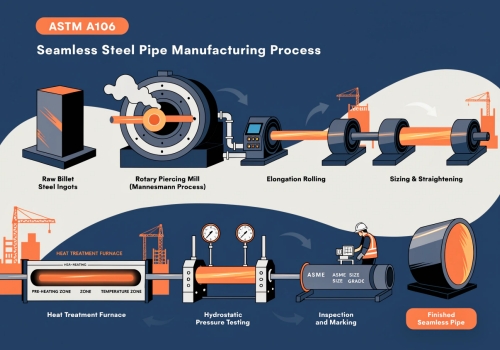
The way we make an a106 seamless pipe involves strict steps. We never skip a step.
First, we pick top-quality carbon steel. We heat this solid steel to a very high temperature. This extreme heat removes any inside stress. Next, we push a hard drill tool through the hot center. This forms a rough and hollow tube.
After we make the hole, we roll the hot tube many times. The tube stays hot. This keeps the metal soft enough to shape. The rolling machines control the outer size and the wall thickness. We use a final machine to make the pipe exact. It must meet your design rules.
We cut the pipe to standard lengths. Then, we test it. We look at the outside. We also use water pressure tests to check for leaks. We test its bending limits at room temperature. If a piece fails, we throw it away.
Finally, we clean the pipe. We remove rust and dirt. We package it carefully. We keep it in a dry warehouse. We wait to ship it to your site. We have our own production bases for steel pipes. We always follow the ISO 9001 quality rules.
Many buyers worry about pipe rust and thickness limits. Guessing the wrong answers can lead to buying the wrong pipeline materials for your job. An a106 seamless pipe stays strong under high heat. It has strict thickness rules to keep pressure even. The pipe is very strong. But you must add a coating if your job site is wet or highly acidic. When I talk to purchasing managers at EPC companies, they ask very practical questions. Let me share some helpful answers.
Many buyers ask if a wall thickness of 5 to 12 mm changes the performance. The standard has strict rules for thickness. The wall must stay uniform. This even thickness keeps the whole pipeline safe. You just need to pick the exact thickness for your working pressure.
Some people ask if seamless pipes resist rust better than welded pipes. The standard controls carbon to make the steel strong. It does not stop rust. But seamless pipes do not have weld joints. Welded pipes often rust first at the joint. We worked on a major urban pipeline project in Turkey. The client needed high rust protection. We supplied a large order of seamless pipes. We also added a strong anti-corrosion coating. They got no weak joints. They got no rust.
This pipe is not just for oil. It handles extreme heat. This makes it perfect for chemical plants and power stations around the world. We have mature project experience. We provide one-stop pipeline product services to save your time and money.
An a106 seamless pipe gives you the strength and safety you need for high-temperature projects. Choosing the right grade and a trusted supplier makes your construction work a success.