 English
 Español
 Русский язык
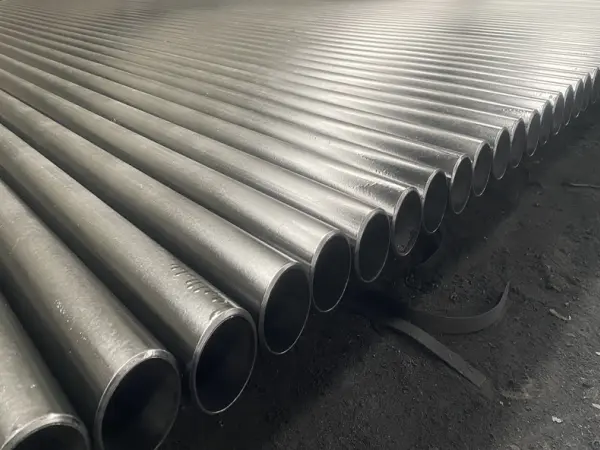
Do you struggle with pipe failures under high pressure? These leaks cause massive project delays and cost money. I will show you how to eliminate these risks completely. Seamless stainless steel pipes are solid tubes made without any welding. They provide great strength, resist corrosion, and handle high pressure. You can use these reliable pipes for critical industrial projects like chemical processing, power plants, and fluid transport systems.
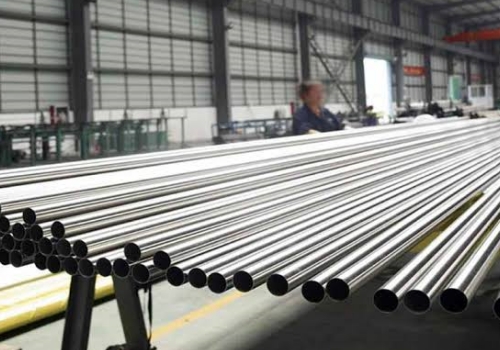
Choosing the wrong pipe wastes your money and time. You need to understand how different pipe features impact your specific project. Let us explore the core types and their benefits below to keep your systems running safely.
Are you confused by different steel grades and production methods? Picking the wrong specification ruins your entire system. We break down the exact options for you right now. You can classify these pipes by material, production method, and wall thickness. Hot-rolled pipes work well for heavy industrial use. Cold-drawn pipes fit precision machinery. Thick-walled pipes support high-pressure systems. You must base your choice on temperature and environmental exposure.
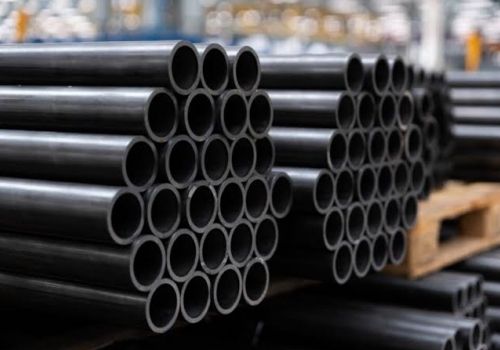
Different projects require different pipe features. Seamless stainless steel pipes resist rust and survive extreme temperatures. We produce them with highly accurate dimensions. They have smooth surfaces for easy cleaning. I will show you the main categories in the table below.
| Category | Type | Main Feature | Common Use |
|---|---|---|---|
| By Material | Stainless steel seamless | Resists rust and chemicals | Food, chemical plants |
| By Material | Low-alloy structural | Carries heavy loads | Building structures |
| By Method | Hot-rolled seamless | Large size, thick walls | High-pressure transport |
| By Method | Cold-drawn seamless | Exact sizes, thin walls | Precision machinery |
| By Thickness | Thick-walled | Holds high pressure | Power plants |
You need a reliable supplier for large projects. We recently worked with a major construction client in Turkey. They built a large water treatment facility near the sea. They needed high-quality seamless stainless steel pipes to resist salt water rust. We reviewed their design drawings carefully. We supplied cold-drawn pipes with precise wall thickness. The Turkish engineers praised our accurate dimensions and fast delivery. We helped them finish the project two weeks early. We understand exactly what purchasing managers need for complex jobs.
Do you worry about early pipe replacements? Using incorrect pipes in harsh environments wastes your whole budget. I will help you match the right pipe to your exact job. You must check the operating liquid, pressure, and temperature. Choose rust-resistant stainless steel for tough chemicals. Select thick-walled pipes for high-pressure lines. You should always verify exact size requirements. You must balance your performance needs with your budget to ensure long-term safety.
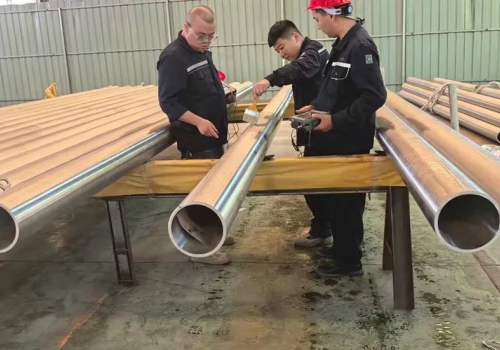
You cannot use the same pipe for every job. We see many buyers make mistakes with material choices. You must look at the specific demands of your industry. Oil rigs face different challenges than hospital equipment. I created a simple guide to help you understand these industry needs.
| Industry | Main Challenge | Pipe Solution |
|---|---|---|
| Oil and Gas | Deep sea pressure, hot fluids | Thick-walled, heat-resistant steel |
| Chemical Plants | Acid and tough chemicals | High-grade rust-resistant stainless steel |
| Power Generation | High steam pressure | Strong alloy steel seamless tubes |
| Food Processing | Bacteria and dirt buildup | Highly polished smooth steel pipes |
You must evaluate your working environment first. Know the exact pressure numbers. Low carbon steel works fine for basic water lines. You need high-grade seamless stainless steel pipes for aggressive acids. You must check the wall thickness schedule. You should confirm the outside diameter matches your existing machine fittings. We always ask our clients to verify these details before production starts. This careful check saves you money and prevents installation delays on your job site.
Do you still have doubts about buying seamless pipes? Unanswered questions lead to bad purchasing decisions. I have compiled the most common buyer questions right here. Buyers often want to know the difference between seamless and welded pipes. Seamless pipes have no weak joints. This solid structure makes them much stronger. Buyers also ask about common uses and materials. We answer these basic questions to guide your choices.
Many purchasing managers ask me similar questions. They want to buy the best materials. They want to save money. They need to understand the technical details clearly. I put the most important topics in a quick reference table.
| Topic | Main Focus |
|---|---|
| Strength | Handling high pressure safely |
| Usage | Finding the right industry fit |
| Materials | Choosing carbon, alloy, or stainless |
Q: What are seamless steel pipes?
A: They are solid metal tubes. We make them from a single block of steel. They have no welded lines.
Q: Why do you prefer seamless pipes for high pressure?
A: Welded lines can break under pressure. Seamless pipes have no weak points. They stay strong in extreme heat and high-stress environments.
Q: Are seamless pipes stronger than welded pipes?
A: Yes. The solid structure removes the risk of joint failure. You can trust them for critical jobs like nuclear plants.
Q: What materials do you use to make these pipes?
A: We use several metals. We use carbon steel for basic strength. We use alloy steel for heavy wear. We use stainless steel to stop rust completely.
Q: What are the main uses for these pipes?
A: You can use them to move oil and gas. You can build chemical machines with them. You can use them in car parts and building frames.
Seamless stainless steel pipes provide total strength and rust resistance for your projects. You must choose the right size and material to ensure safety and save money long-term.