 English
 Español
 Русский язык
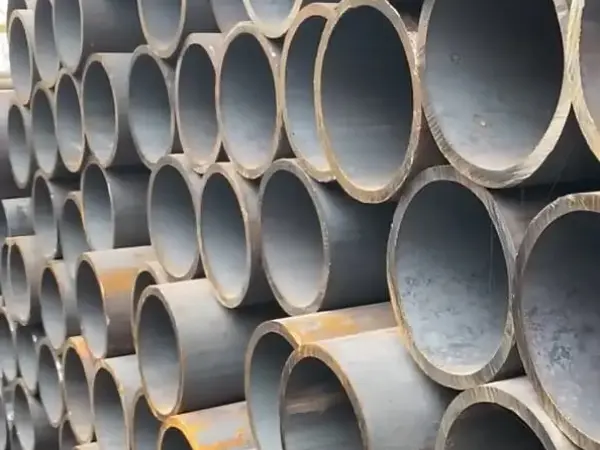
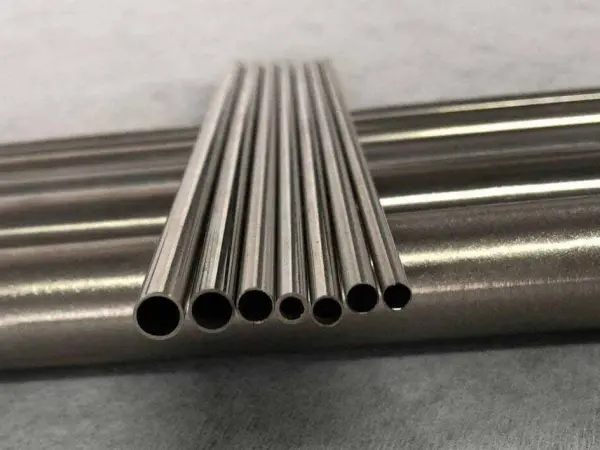
Are you struggling to find pipes with exact dimensions? Bad surface finishes ruin many projects. I will show you how to solve this problem easily. A cold rolled seamless steel pipe is a high-precision tube. We process it at room temperature through cold working methods. It offers an excellent surface finish and strict dimensional tolerances. You can use this pipe perfectly for mechanical structures and hydraulic equipment.
Many buyers fail to choose the right pipe for their projects. You need to understand the basics before you place an order. Let me guide you through the details. I want to help you make a smart choice.
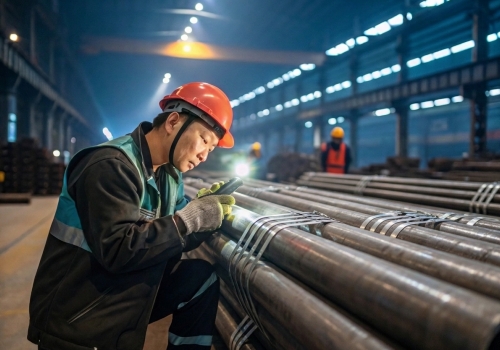
Do you worry about inconsistent pipe quality? Poor production methods cause early pipe failures. I can explain the exact steps we use to guarantee high quality. The production process includes heating the round tube billet, perforating it, and annealing it. We then pickle, oil, and cold roll the material. Finally, we heat treat, straighten, and test the pipe with water pressure to ensure top performance.
I want to break down the process for you. First, we start with a round tube billet. We heat this billet in an oven. Next, we pierce it to create a hollow tube. This step forms the foundation of the pipe. Then, we anneal the tube. The annealing step makes the steel softer. It gets the steel ready for more work. We clean the surface with acid after that. We call this step pickling. The acid removes dirt and scale. We apply oil or copper plating to the clean metal. The oil protects the metal from rust.
We use a multi-cycle cold rolling mill next. This machine compresses the tube at room temperature. It reduces the wall thickness effectively. I remember a recent pipeline project in Kenya. The client needed pipes with exact dimensions for an oil transfer station. We delivered our cold rolled seamless steel pipe on time. The local engineers praised the fast installation. Our strict water pressure testing ensured zero leaks under the hot African sun. We have successfully supplied many similar projects across Africa. We always focus on customer needs. We provide reliable one-stop solutions. Our process guarantees a strong and precise pipe every time.
Do you feel confused about the real benefits of cold rolling? Wrong assumptions can lead to bad structural designs. I will reveal the true pros and cons here. Cold rolled pipes offer fast forming speeds and a great surface finish. The process increases the yield strength of the steel. However, the process leaves residual stress inside the metal. This stress can affect the local load-bearing capacity of the pipe.
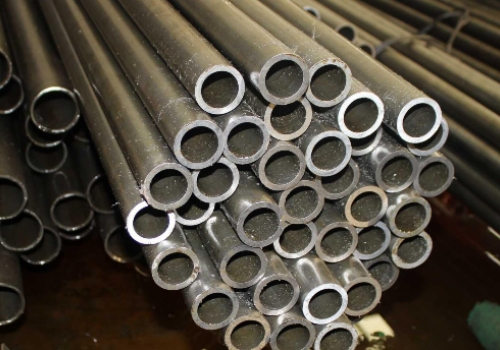
You get many benefits when you choose this pipe. The reduction rate of the section is very large. We can reduce carbon steel walls by 80% to 83% in one roll. Alloy steel can reach up to a 75% reduction. The cold rolling method causes huge plastic deformation. This action improves the yield point of the steel. You get a much stronger pipe in the end. The surface is also very smooth. The coating process is easy. The smooth surface does not damage the coating layers. We can make many different cross-sectional shapes for you.
I must also share the bad sides with you. Cold rolling leaves residual stress inside the steel section. This stress affects how the pipe handles buckling under pressure. The wall thickness at the corners is usually small. The corners do not have extra thickness. The pipe has weak resistance to local concentrated loads. The style of this steel is generally an open section. It has low free torsional stiffness. It is prone to twisting when it faces bending forces. The tools for cold rolling are also hard to replace. We often combine cold rolling with cold drawing to solve the tool issue.
| Feature | Advantage | Disadvantage |
|---|---|---|
| Strength | High yield point | Residual stress exists |
| Surface | Smooth and clean | Hard to replace tools |
| Forming | Fast production speed | Weak local load capacity |
Are you stuck choosing between different processing methods? Picking the wrong pipe wastes your money and time. I will show you how to compare them clearly. You should choose cold rolled pipes for high precision and thin walls. Hot rolled pipes are cheaper and better for thick walls. Cold drawn pipes are best for ultra-high precision and extremely thin walls. Your choice depends on your specific project needs.
I often get questions about hot and cold rolling. Hot rolling has a simple process. It costs 20% to 40% less than cold rolling. You use hot rolled pipes for large structures. Bridge pillars and pile foundations use hot rolled pipes. They need high toughness. They do not need a perfect surface. You use cold rolled pipes for hydraulic cylinders and car exhausts. These parts need strict dimensional tolerances. Cold rolling can produce ultra-thin walls down to 0.2mm.
Both methods happen at room temperature. Cold rolling uses continuous deformation through rollers. Cold drawing pulls the metal through molds in passes. I created a simple table below. It shows you the main differences clearly.
| Characteristic | Cold-rolled steel pipe | Cold-drawn steel pipe |
|---|---|---|
| Processing method | Room temperature rolling | Room temperature drawing |
| Dimensional accuracy | High (tolerance ±0.05~0.1mm) | Very high (tolerance ±0.01~0.03mm) |
| Wall thickness range | Wide (0.2~20mm) | Thinner (0.1~10mm) |
| Production efficiency | High (continuous production) | Low (single root drawing) |
| Cost | Low (good for big batches) | High (mainly small batches) |
You should pick cold rolling for mass production. It saves money on large orders. You should pick cold drawing for ultra-high precision parts. Aerospace components need cold drawn pipes. I always advise my clients to check their budget first. Then, check the tolerance limits of the project.
Do you still have doubts about these steel pipes? Unanswered questions can delay your purchasing plan. I will answer the most common questions right now. People often ask about the minimum wall thickness and best applications. A cold rolled seamless steel pipe can reach a thickness of 0.2mm. We mostly use them for mechanical parts, automotive exhausts, and hydraulic systems. Let me answer more questions below.
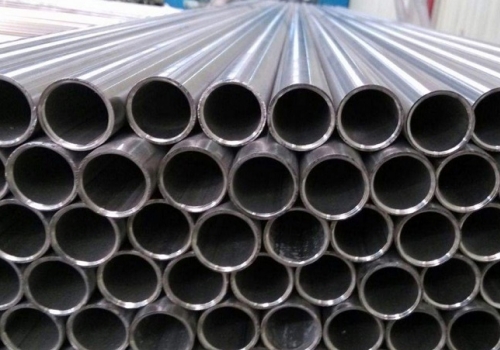
I gathered the most common questions from my daily work. These questions come from real buyers just like you. I hope my answers help you clear your mind before purchasing.
Q: What is the thinnest wall a cold rolled pipe can have?
A: A cold rolled seamless steel pipe can achieve an ultra-thin wall. The thinnest pipe we can make is 0.2mm.
Q: Is a cold rolled pipe stronger than a hot rolled pipe?
A: Yes, it is stronger. The cold working process creates plastic deformation. This deformation significantly increases the yield strength of the steel.
Q: Can I use cold rolled pipes for deep processing?
A: Yes, you can. These pipes have great ductility. You can easily use them for bending and flaring in your factory.
Q: Do you export these pipes to Africa?
A: Yes, we do. We have rich experience in the African market. We supplied pipeline systems to oil and gas projects in Nigeria and Kenya. We understand local standards and logistics perfectly.
Q: Why is the torsional performance of cold-rolled steel poor?
A: The open section design lowers the free torsional stiffness. The pipe is prone to twisting when it faces bending forces.
Cold rolled seamless steel pipes offer high precision and a great surface finish. You must match the pipe features to your exact project needs to ensure long-lasting success.