 English
 Español
 Русский язык
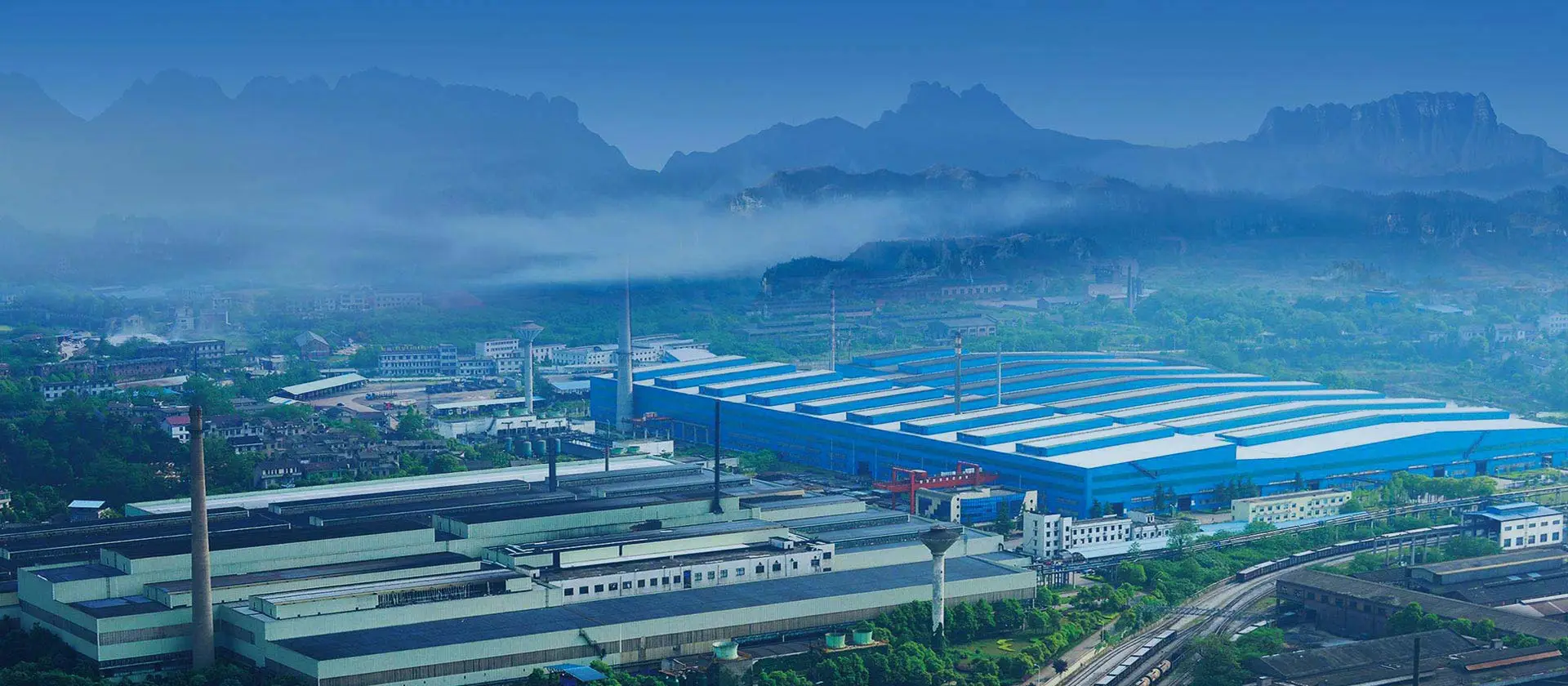
Do you struggle to find strong pipes for big projects? Small pipes limit fluid flow and cause severe delays. A large diameter seamless stainless steel pipe solves your heavy-duty transport needs. A large diameter seamless stainless steel pipe generally refers to pipes with diameters from 16 inches up to 100 inches without welding seams. They are essential for long-distance oil and natural gas pipelines because they handle greater flow rates and withstand extremely high pressures safely.
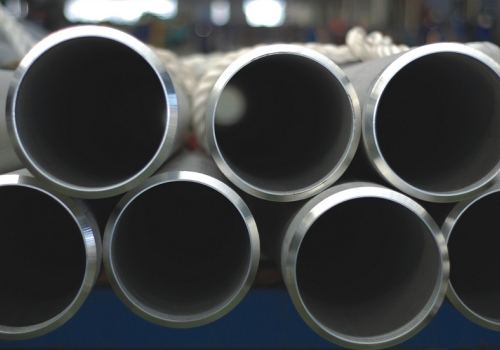
You might wonder how these massive pipes fit into your complex systems. Let me break down the details so you can make the right choice for your next big project.
Are you worried about pipe strength during production? Poor manufacturing leads to weak pipes. We use an advanced thermal expansion method to ensure every pipe meets top industry standards. We make large diameter seamless pipes primarily through a thermal expansion process. Unlike welded pipes, this method stretches a solid steel billet into a larger pipe without any weak weld seams. It gives the pipe the perfect balance of massive size and structural integrity.
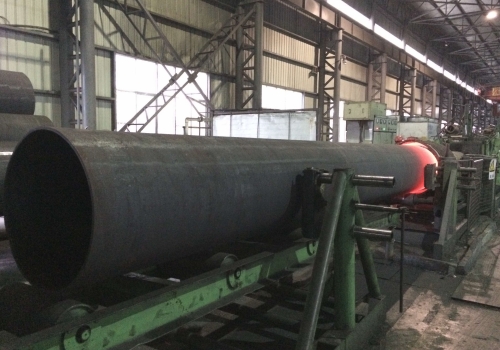
You need to know how we make these pipes. First, we start with a standard seamless pipe. We heat it to a very high temperature. Then, we push a metal mandrel through the center. This action expands the pipe to a much larger diameter. The metal stretches evenly. It keeps its strong structure without tearing.
Many factories make large pipes using welding methods like LSAW or SSAW. But welding leaves a long seam. The seam is always the weakest point of the metal. For a large diameter seamless stainless steel pipe, we skip the welding completely. We use thermal expansion instead. This method costs a bit more, but it is much safer. Here is a simple look at the differences:
| Feature | Thermal Expansion Seamless | Welded (LSAW/SSAW) |
|---|---|---|
| Weak Points | None | Weld seams |
| Best Use | High pressure, corrosive fluid | Low to medium pressure |
| Cost | Higher | Lower |
| Safety Level | Maximum | Moderate |
Are you scared of pipeline bursts? High-pressure leaks cost millions and endanger workers' lives. Seamless pipes eliminate weak joints, offering the absolute safest choice for your critical construction projects. For high-pressure pipelines, seamless pipes are the absolute first choice. Welded pipes have a seam, which is the weakest part and may crack under extreme stress. Seamless pipes have a uniform structure, so they handle high pressure safely without bursting.
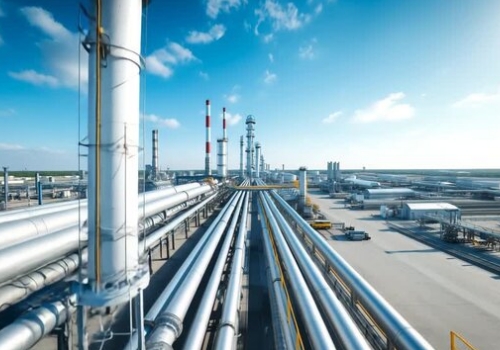
When pressure builds up, the fluid pushes hard against the pipe walls. If there is a weld, the stress focuses on that line. A tiny flaw in the weld can easily grow into a big crack. I have seen projects fail because buyers used cheap welded pipes. You do not want a crack in a high-pressure gas line.
A large diameter seamless stainless steel pipe handles pressure from all sides equally. The wall thickness is consistent everywhere. The metal structure is solid from end to end. This makes it perfect for oil exploration, urban pipelines, and big chemical plants. Let us look at pressure limits based on different pipe types:
| Pipe Type | Pressure Rating | Risk of Rupture |
|---|---|---|
| Seamless Stainless Steel | Very High | Very Low |
| LSAW Steel Pipe | High | Low |
| SSAW Steel Pipe | Medium | Medium |
Are you confused by too many steel grades? Picking the wrong material leads to fast rust and corrosion. We provide specific grades like ASTM A312 to match your exact project needs. Industries use specific stainless steel grades for liquid transport and machine parts. The most common material standard is ASTM A312 or EN 10088-3. Popular grades include TP304, TP316, TP310S, TP321, and 904L, which all offer excellent resistance to rust and high temperatures.
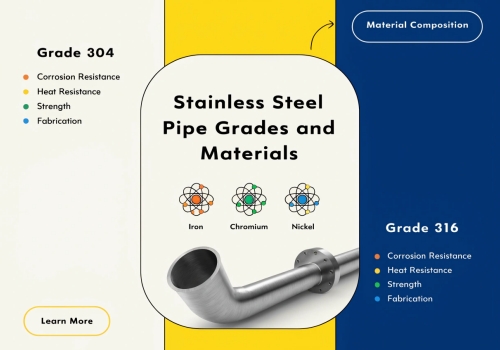
Different construction projects need different metals. If you transport fresh water, a basic grade works fine. If you move harsh chemicals, you need a highly resistant metal. A large diameter seamless stainless steel pipe must use the exact right grade. Otherwise, it will rust from the inside and cause leaks.
I often help buyers choose between the 304 and 316 grades. TP304 is the most common. It handles basic moisture very well. TP316 has extra molybdenum inside. This addition makes it resist salt and tough chemicals. If your project is near the ocean, you must always pick 316. Here is a simple guide to our top grades:
| Grade Standard | Material Codes | Best Application |
|---|---|---|
| ASTM A312 TP304 | S30400 / S30403 | General liquid transport, water |
| ASTM A312 TP316 | S31600 / S31603 | Chemical processing, marine use |
| ASTM A312 TP310S | S31008 / S31009 | High-temperature machines |
| ASTM A312 TP321 | S32100 | Heavy industry, power generation |
We at Centerway Steel keep a huge inventory of these grades. I can quickly source the exact material you need. You do not have to worry about mixed metals or wrong specifications ruining your work.
Do you struggle with international suppliers? Language barriers and bad logistics ruin important project timelines. We deliver smooth, proven solutions with a strong track record in key global markets. We successfully handle complex pipeline projects in demanding markets like Turkey. Our team provides one-stop sourcing, precise manufacturing, and seamless logistics. We have delivered large quantities of seamless stainless steel pipes to Turkish construction sites, proving our reliable project execution.
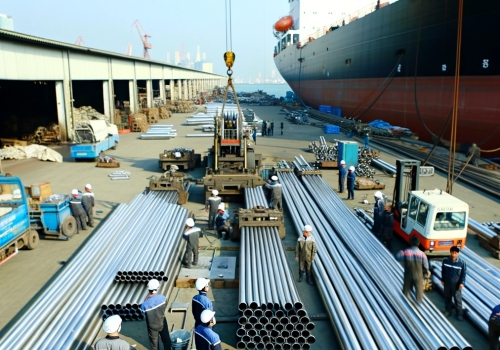
Turkey is a major bridge between Europe and Asia. They build massive infrastructure every year. Last year, I managed a huge supply contract for an urban pipeline network there. The local buyer needed strong, rust-proof pipes. We supplied our best large diameter seamless stainless steel pipe products. They loved our quality.
We handled everything from start to finish. We produced the pipes, arranged the ocean shipping, and cleared customs quickly. The Turkish engineers were very happy with our ISO and CE certifications. They tested the pipes on site and found zero flaws. Here is how we support international projects:
| Step | Action Taken | Benefit to Client |
|---|---|---|
| 1. Sourcing | Provide top-grade materials | No quality concerns |
| 2. Production | Thermal expansion to exact sizes | Fits perfectly on site |
| 3. Certification | Provide SGS, BV, TUV reports | Meets strict local standards |
| 4. Shipping | Secure packing and fast transit | Keeps project on schedule |
Do you still have doubts about buying large pipes? Unanswered questions lead to costly purchasing mistakes and delays. Here are clear answers to help you make confident and fast decisions. You might have a few more questions before you place an order. We often get asked about specific sizes, delivery times, and customization options for large diameter pipes. I have listed the most common questions and gave straight answers below.
Buyers always ask me the same important questions. I want to save your valuable time. Here is a clear Q&A section for you.
Q: What is the exact size range for your large diameter pipes?
A: Our large diameter pipes start at 16 inches. They can go all the way up to 100 inches in diameter. We adjust the final size based on your exact project needs.
Q: Can you customize the wall thickness of the pipes?
A: Yes, we can. High-pressure pipelines need much thicker walls. We use our thermal expansion process to reach heavy thickness levels safely.
Q: How long does shipping take to Europe or the Middle East?
A: It depends on the order size. Usually, production takes a few weeks. Ocean freight takes about 20 to 30 days. We plan everything early so you get it on time. Let us look at our custom capabilities:
| Service | Details |
|---|---|
| Size Range | 16 inches to 100 inches |
| Wall Thickness | Standard to Heavy (Customizable) |
| Testing | Hydrostatic, Ultrasonic |
| Packing | Beveled ends, waterproof covers |
A large diameter seamless stainless steel pipe provides the extreme strength and safety you need for massive construction projects. We are ready to supply high-quality pipes for your next big pipeline.