 English
 Español
 Русский язык
Bad pipes cause dangerous leaks, project delays, and massive profit losses. Are you tired of guessing which supplier tells the truth? I will show you exactly what to check. To learn how to distinguish the quality of seamless steel pipe, you must verify the material grade, check dimensional tolerances, inspect surface defects, and review test reports. A reliable pipe ensures safe operations, fits perfectly, and offers a long service life.
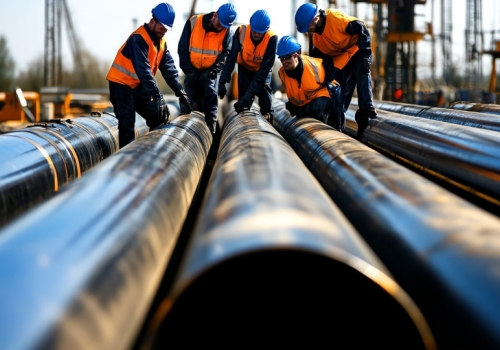
You might think all pipes look the exact same on the outside. But if you stop reading now, you will miss the hidden details that make or break your construction project. Let us look closer.
Hidden cracks ruin pipelines when pressure hits. You waste time and money replacing them. Want to spot these expensive flaws early? I have the right steps for you. Surface and internal inspections matter because they reveal hidden manufacturing defects like deep cracks, folds, and rough pits. Finding these flaws early stops dangerous pipe failures, prevents site accidents, and saves you money on replacement costs.
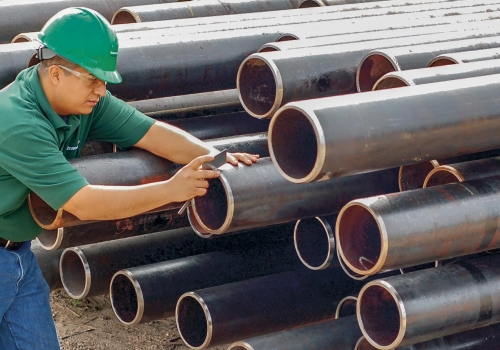
I always tell my clients that a smooth surface is the first sign of a good factory. Last year, our team at Centerway Steel supplied a large batch of carbon steel pipes for a major oil and water transit project in Nigeria. The hot African environment and high operating pressure meant we could not take any risks. We made sure every single pipe passed strict checks before shipping. If the surface has deep scratches or heavy rust, the wall thickness is already weak.
· Check for folds or laps on the metal
· Spot any deep scratches or mechanical damage
You cannot see the inside of the pipe with your bare eyes. That is why we use special testing. Here is a simple breakdown of how we test the inside:
| Test Type | What It Finds | Cost Impact |
|---|---|---|
| Ultrasonic Testing (UT) | Internal cracks and hidden voids | Medium |
| Eddy Current Testing (ECT) | Surface and near-surface flaws | Low |
| Hydrostatic Testing | Pressure limits and leaks | High |
Pipes that do not fit waste hours of costly welding time. Your labor costs go up fast. How do you stop this matching problem? Let me explain. Dimensional accuracy tells you if the factory has strict quality control. Exact outside diameter, wall thickness, and straightness mean the pipe will connect perfectly with your valves and fittings. This precise fit makes installation fast, easy, and completely leak-free.
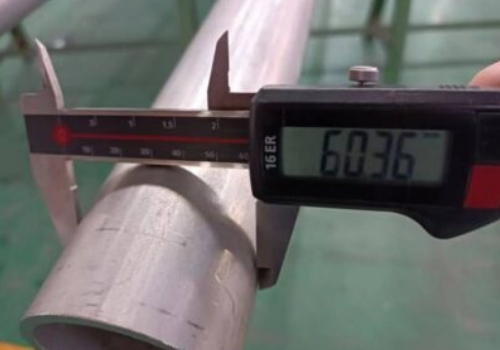
When you buy pipes, the numbers on the paper must match the steel in your hands. Uneven wall thickness is a very common issue with cheap suppliers. If one side of the pipe is too thin, it becomes a weak point. High pressure will find that weak point and break it. Bad dimensions also mean the pipe will not line up with your fittings. Your welders will spend extra hours trying to fix the gaps, which costs you more money in labor.
· Wall thickness (WT)
· Total product length
· Ovality and straightness
To give you a clear idea, here is a basic look at thickness tolerances for standard pipes.
| Pipe Size | Wall Thickness Tolerance | Risk Of Bad Tolerance |
|---|---|---|
| Under 2.5 inches | Plus 20% to Minus 12.5% | Hard to thread or weld |
| 2.5 to 8 inches | Plus 22.5% to Minus 12.5% | Pressure rating drops |
Good factories use advanced machines to keep these numbers tight.
Fake materials look real until they rust or break under stress. You face big legal and safety risks. Need hard proof of quality? Always ask for the documents. Mill Test Certificates prove the real value by showing the exact chemical makeup and mechanical strength of the steel batch. This official document guarantees the pipe actually meets global standards like ASTM or DIN for your specific construction job. You cannot judge the strength of steel just by looking at it. The real power lives inside the chemistry. A Mill Test Certificate (MTC) gives you the lab results. For example, if you need pipes for a high-temperature system, the carbon and chromium levels must be exactly right. If the chemistry is wrong, the pipe will melt or crack. As your professional pipeline partner, Centerway Steel always provides clear, traceable MTCs for every order. It gives our buyers total peace of mind.
· Yield strength levels
· Elongation percentage
· Metal hardness level
Here is why the chemical mix matters so much for your project:
| Element | What It Does For Steel | Risk If Too Low |
|---|---|---|
| Carbon (C) | Gives basic strength and hardness | Metal becomes too soft |
| Manganese (Mn) | Improves material toughness | Metal breaks under heavy impact |
| Chromium (Cr) | Adds heat and rust resistance | Pipe rusts or melts fast |
Always match the MTC numbers with your project needs.
Buyers always have questions before spending large budgets. Are you confused about testing or standards? Let me answer the most common questions right now. The common questions about pipe quality usually focus on testing methods, standard differences, and safety rules. Knowing these answers helps you buy the right product, avoid cheap scams, and protect your pipeline systems from early damage. I know that making a fast choice is hard when you have so many options. To help you work faster, I put together the questions my clients ask me the most.
· Question: Can I use welded pipes instead of seamless pipes?
· Answer: You can use welded pipes for low-pressure jobs, but seamless pipes are much stronger and safer for high-pressure systems.
· Question: What does a third-party inspection do?
· Answer: A third-party like SGS checks the goods before shipping to make sure the supplier is honest about the quality.
Understanding standards is critical for your safety. Here is a quick guide to help you choose.
| Standard Name | Best Application | Key Benefit |
|---|---|---|
| ASTM A106 | High-temperature systems | Handles heat without cracking |
| ASTM A333 | Low-temperature systems | Stays tough in freezing cold |
| ASTM A53 | General structural use | Very cost-effective |
I have seen many buyers choose the wrong standard to save a few dollars, only to face massive replacement costs later. Always ask us to help you match the standard to your work environment.
Now you know how to distinguish the quality of seamless steel pipe. Contact Centerway Steel today for your one-stop pipeline needs, and let us build safe projects together.