 English
 Español
 Русский язык
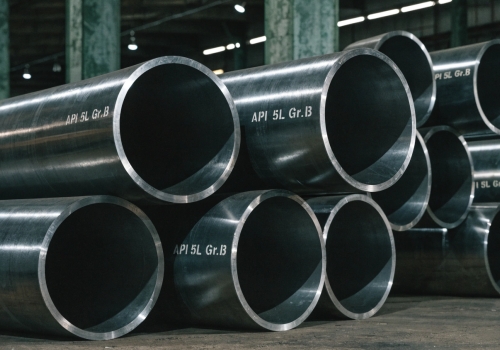
Finding the right pipeline materials for a massive construction or energy project is stressful. You worry about safety, costs, and whether the supplier can actually deliver on time. API 5L Gr.B seamless pipe is a carbon steel pipe specification used extensively in oil and gas transmission. It follows the American Petroleum Institute standards and offers a balance of strength, cost, and weldability, making it the industry standard for transporting water, oil, and gas under low-to-medium pressure.
I have seen many project managers struggle with the vast amount of technical data in the steel industry. It is easy to get lost. However, understanding the basics of this specific pipe grade can save your company money and prevent accidents. Let's break down exactly what makes this pipe so popular and how to handle the technical details.
You might wonder why "Grade B" is specified so often in engineering drawings compared to other grades. The answer usually lies in the specific balance of its chemical makeup. The chemical composition of api 5l gr.b seamless pipe includes controlled amounts of Carbon, Manganese, Phosphorus, and Sulfur. These elements ensure the pipe has a minimum Yield Strength of 245 MPa (35,500 psi), which provides excellent mechanical stability for standard pipeline operations.
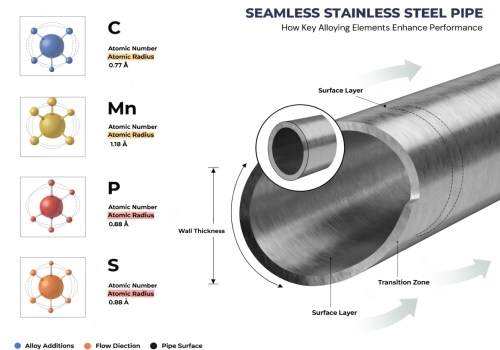
To truly understand this pipe, we must look at the numbers. The "Gr.B" stands for Grade B. In the API 5L standard, this defines the strength level. It is not the strongest pipe available, but it is the most versatile. It is distinct from higher grades like X42, X52, or X60. The pipe is mainly carbon steel. Manufacturers add Manganese to increase hardness and remove sulfur. They add Silicon to help remove oxygen during the steelmaking process. This creates a "clean" steel structure. If you are buying for a project in a cold environment or a sour service environment (where H2S is present), you need to pay attention to the Product Specification Level (PSL). There is PSL1 and PSL2. PSL2 is stricter. It has limits on carbon equivalent to ensure better weldability and requires impact testing. Here is a simple comparison table to help you check your mill test reports:
| Feature | API 5L Gr.B PSL1 | API 5L Gr.B PSL2 |
|---|---|---|
| Carbon Max | 0.28% | 0.24% |
| Phosphorus Max | 0.030% | 0.025% |
| Sulfur Max | 0.030% | 0.015% |
| Yield Strength | Min 245 MPa | 245 - 450 MPa |
| Impact Test | Not Required | Required (CVN) |
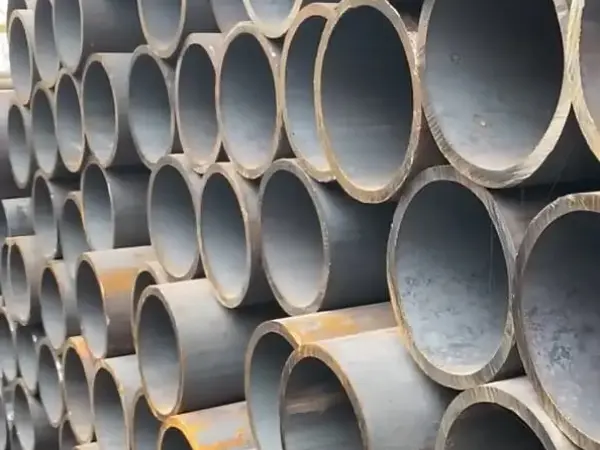
Budget constraints often push buyers toward welded pipes, but engineers frequently insist on seamless options. There is often a conflict between the finance department and the technical team. Seamless pipes are manufactured from a solid round steel billet that is heated and pushed over a form, meaning there is no welded seam. This gives the api 5l gr.b seamless pipe higher pressure tolerance and uniform strength around the entire circumference, eliminating the weak point found in welded pipes.
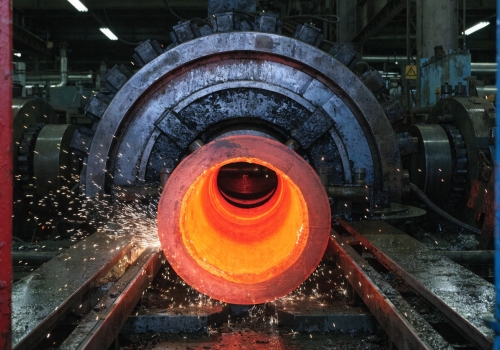
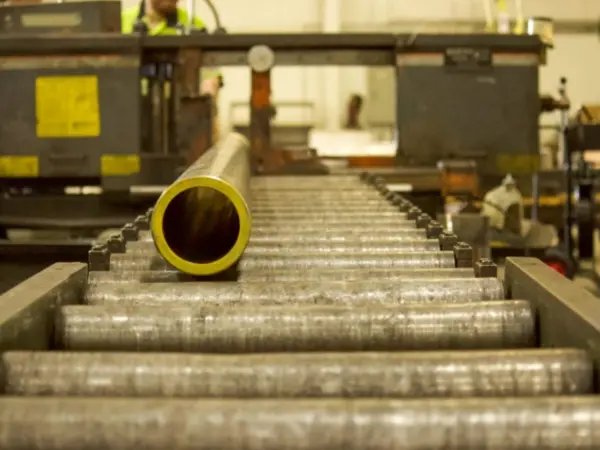
The production process of seamless pipes is fascinating and complex. It starts with raw steel billets. These are heated to extreme temperatures. Then, a piercing rod is driven through the center to create a hollow shell. This is different from welded pipe (ERW or LSAW), which starts as a flat plate and is curled and welded. Because there is no weld seam, the pipe can withstand higher pressure. It is also less likely to corrode at a specific seam line. In the industry, we often see seamless pipes used for the most critical sections of a line. This includes risers, bends, or areas with high vibration. The manufacturing process often involves microalloying heat treatment. This refines the grain structure of the steel. It makes the pipe tough but also ductile. However, there are limitations. As steel grades get very high (like X80 and above), making a seamless pipe becomes very difficult and expensive due to the "carbon equivalent" limits. It is hard to keep the steel weldable while making it that strong in a seamless form. Therefore, for standard Grade B through X60, seamless is the premium choice. The cost is higher than welded pipe, but for high-pressure oil and gas exploration or steam transport, the safety factor is worth the price.
Finding a supplier is easy, but finding a partner who understands the nuances of global EPC projects is very difficult. You cannot afford to receive a batch of pipes that fail inspection. When choosing a supplier for API 5L Gr.B seamless pipe, you must verify their ISO certifications, review their past project references with major oil companies, and ensure they offer third-party inspection (like SGS or TUV). A good supplier also provides integrated services, including coatings and fittings.
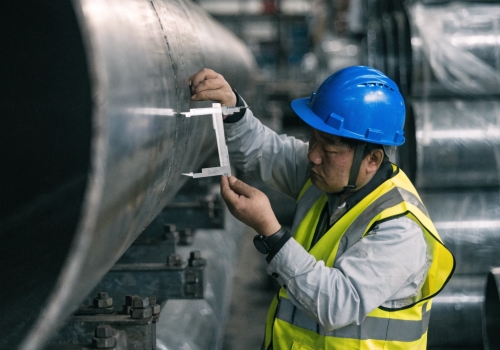
As a purchasing manager, you have a heavy responsibility. I have developed a checklist over the years to evaluate suppliers. You should not just look at the bottom line price. Cheap pipes often have uneven wall thickness or poor surface finish. First, look at Purpose and Specifications. Be clear about your pressure and temperature needs. If you need the pipe for a sour gas line, tell the supplier immediately. They need to control the chemical composition strictly. Second, check the Quality Assurance. Does the factory have ISO 9001, ISO 14001, and ISO 45001? At Centerway Steel, we invite third-party organizations like SGS, BV, and DNV to inspect our products. This transparency is vital. You should ask for a sample Mill Test Certificate (MTC) before you order. Third, consider Integrated Services. A pipe is rarely used alone. You need elbows, tees, valves, and flanges. A one-stop supplier saves you logistics headaches. Instead of coordinating five shipments from five factories, you get one consolidated shipment. Finally, look at their Global Reach. Have they shipped to your region before? Do they understand the shipping terms and packaging requirements to prevent rust during sea freight?
| Selection Factor | What to Look For | Why it Matters |
|---|---|---|
| Material Quality | Clean surface, no cracks | Prevents leaks and failures |
| Dimensions | Uniform wall thickness | Ensures proper fit-up and welding |
| Certification | API 5L Monogram / ISO | Proves adherence to standards |
| Price | Competitive, not "Cheap" | Extremely low price often means scrap metal was used |
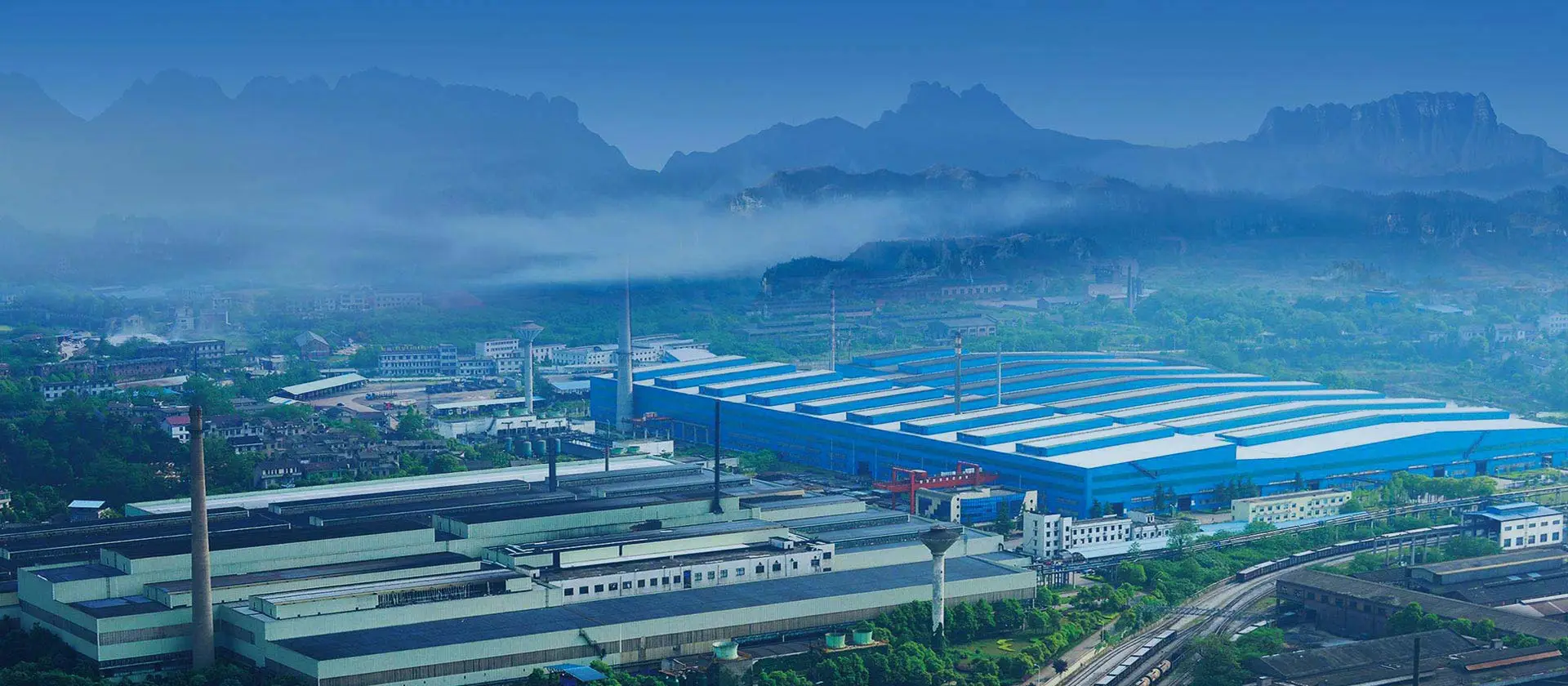
API 5L Gr.B seamless pipe is the backbone of the energy industry, offering reliable strength and versatility for oil, gas, and fluid transport. To ensure your project runs smoothly, you need high-quality materials and a partner who understands your needs. At Centerway Steel, we have been integrating pipeline production and supply since 1996. We hold ISO and CE certifications and have served Fortune 500 companies like CNPC and Shell across 100 countries. If you need a reliable quote for api 5l gr.b seamless pipe, contact us today for a one-stop solution.