 English
 Español
 Русский язык
You fix one leak, restart the boiler, and immediately face another shutdown. This cycle drains your maintenance budget and ruins your project timelines. You need to find the root problem now. Determining what causes boiler tube leaks involves analyzing waterside corrosion, fireside erosion, and mechanical stress. Common culprits include oxygen pitting from poor water treatment, fly ash erosion on external surfaces, and short-term overheating due to flow blockages. Identifying the specific mechanism is critical for selecting the right replacement pipes.
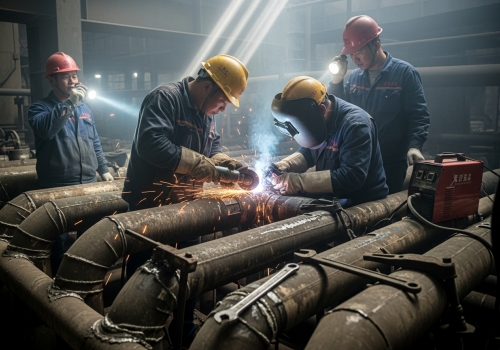
Many purchasing managers just replace the pipe, but without understanding why it failed, you are just throwing money away. I have seen this happen too many times in my 18 years in the industry. Let me walk you through the specific failures so you can buy the right materials next time.
Internal corrosion is silent but deadly. It eats through the metal wall before you ever notice a problem, leading to sudden, expensive emergencies. Waterside failures are often what causes boiler tube leaks when water treatment is neglected. Chemical reactions like caustic gouging and oxygen pitting thin the tube walls internally until they burst under pressure, making strict chemistry control essential.
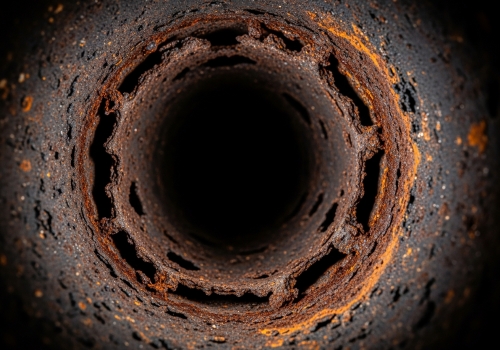
When I look for the best steel pipes for my clients, I always ask about their water treatment first. Waterside failures are very common. They usually happen because the protective layer inside the pipe breaks down. The damage is often invisible from the outside until it is too late. Here are the specific mechanisms I see most often in the field: Caustic Attack (Gouging) This happens when deposits build up inside the tube. It stops the water from cooling the metal properly. Chemicals concentrate in that spot and eat away the tube wall. You will see gouging on the inside surface. It is basically a chemical burn on the steel. If you have inclined tubes or furnace wall tubes, you need to watch out for this. The solution is usually not just a better pipe, but better flow and cleaner water. Oxygen Pitting If there is too much oxygen in your water, it acts like a drill. It creates small, deep pits in the metal. This often happens when the boiler is off but not stored correctly. We call this "out-of-service corrosion." If you leave water sitting in the pipes during a shutdown without proper chemicals, oxygen attacks the iron. This is a major reason why I suggest seamless steel pipes with high corrosion resistance for certain projects. Hydrogen Damage This is scary because the tube can just shatter. Acidic contaminants release hydrogen. The hydrogen moves into the steel wall and reacts with carbon. This process, called decarburization, makes the metal brittle. The pipe loses its ductility and creates a catastrophic rupture. To help you understand this better, look at this breakdown:
| Failure Type | What it Looks Like | How to Prevent It |
|---|---|---|
| Caustic Attack | Localized wall loss, gouging on ID | Prevent deposits, control pH levels |
| Oxygen Pitting | Deep, irregular holes (swiss cheese) | Better deaeration, proper storage layup |
| Hydrogen Damage | Thick scale, brittle window-type rupture | Keep strict control of water chemistry |
| Acid Attack | Rough, pitted surface | Improve chemical cleaning procedures |
Your boiler burns fuel to operate, but that fuel leaves behind destructive ash. This waste material relentlessly wears down your tubes every single day of operation. Fireside mechanisms like fuel ash corrosion and fly ash erosion are major external factors that explain what causes boiler tube leaks. Molten ash eats away at the metal, while high-velocity particles physically sandblast the tube walls until they fail.
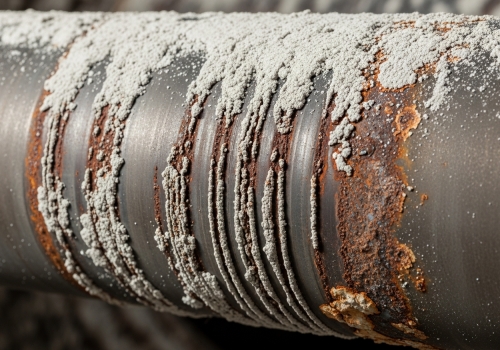
In my experience sourcing for EPC projects, fireside issues are often about material selection. If you choose the wrong alloy, it cannot handle the environment. The outside of the tube is just as vulnerable as the inside. Fuel Ash Corrosion This depends heavily on what you burn. Coal and oil produce ash. When this ash lands on superheaters, it can melt. Liquid ash is highly corrosive to steel. I usually recommend materials with high chromium (more than 20%) to fight this. If you use standard carbon steel here, it will fail fast. You might see a "pock-marked" appearance on the tube once the scale is removed. Erosion Think of this like sandblasting. Fly ash or steam from sootblowers hits the tube at high speed. It slowly rubs the metal away. You will see this damage on the side where the gas hits the tube. The metal gets thinner and thinner until it pops. This is often a design and flow issue, but tougher materials help. If your sootblowers are misaligned, they might be cutting right through your pipes. Waterwall Fireside Corrosion This happens in the lower furnace. If the fire lacks oxygen (a reducing atmosphere), it creates corrosive gases like hydrogen sulfide. This attacks the external walls of the tubes. We solve this by using tubes with a special weld overlay (cladding). It costs more upfront, but it lasts much longer than bare carbon steel. High-Temperature Oxidation This looks like ash corrosion, but it is from pure heat. The metal literally burns up because it is too hot for the material grade. It results in a thick, brittle scale on the outside surface. Here is a quick guide to identifying these external threats:
· Check the fuel: High sulfur coal? Likely ash corrosion.
· Check the temperature: Is the tube glowing redder than it should? Likely oxidation. Understanding what causes boiler tube leaks in this area helps me suggest the right SSAW or seamless pipe grade to my customers.
Even with perfect chemistry and clean fuel, physical stress or excessive heat can snap a tube instantly. These physical failures are often violent and unexpected. Mechanical fatigue and overheating are physical reasons what causes boiler tube leaks. Short-term overheating causes ballooning and rupture, while long-term creep slowly degrades the metal. Vibration from operations can also create fatigue cracks near welds and supports.
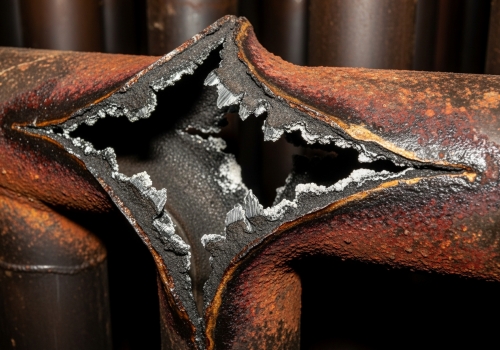
Mechanical failures are often the most violent. A tube can burst open like a fish mouth. When I source pipes, I need to know the operating temperature and pressure to avoid this. Short-term Overheat This happens fast. Maybe a tube is blocked during startup. The cooling water stops, the temperature spikes to 1600°F (870°C), and the tube blows out. The edges of the hole are usually thin and knife-like. This is a "ductile rupture." It means the steel stretched until it couldn't stretch anymore. Long-term Overheat (Creep) This takes years. The metal slowly stretches under heat and pressure. It swells up a little bit before it cracks. This is normal aging, but it happens much faster if the boiler runs too hot. The tube wall thickens with scale, which insulates it and makes the metal even hotter. Eventually, the "creep life" is used up. Fatigue (Thermal and Mechanical) Metal gets tired. If a boiler turns on and off a lot, the tubes expand and contract. This causes "Thermal Fatigue." You will see many cracks that look like alligator skin or "elephant hide." "Mechanical Fatigue" comes from vibration. If a pipe shakes too much due to gas flow, it will crack near the welds or supports. These cracks are usually straight and start from the outside. Dissimilar Metal Weld (DMW) Failure This is a specific problem I watch for in complex designs. It happens where stainless steel joins ferritic steel (like joining T22 to 304SS). Because they expand at different rates when hot, the weld breaks. It gives no warning. The pipe just snaps off along the fusion line. To manage these risks, you need to look at the whole system:
| Issue | Cause | Fix |
|---|---|---|
| Short-term Overheat | Blocked flow, no cooling | Check tubes for blockages before start |
| Long-term Overheat | Years of high heat (Creep) | Monitor tube thickness, replace old tubes |
| Fatigue | Vibration or cycling | Fix supports, reduce start/stop cycles |
| DMW Failure | Weld stress | Use nickel-based filler metals |
When you know the mechanical limits of your system, you can plan better maintenance schedules.
To stop leaks, you must identify the root cause, whether it is water chemistry, ash corrosion, or mechanical stress. Only then can you choose the right steel pipe solution.