 English
 Español
 Русский язык
Do your pipes leak often? Constant repairs waste time and money. I will show you how to find the root cause and stop these leaks for good. A boiler tube failure usually happens because of waterside corrosion, fireside erosion, or general mechanical stress. You must check the water chemistry, control the fuel ash, and watch the tube temperature. Fixing these root causes stops future leaks and keeps your system running safely.
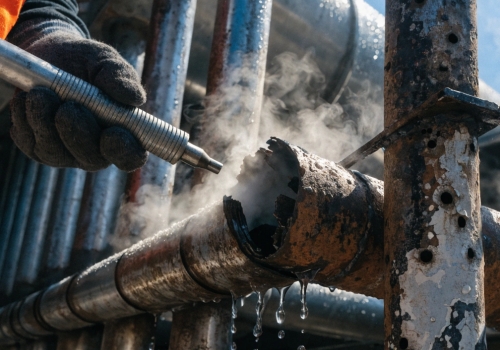
I once saw an EPC manager lose days of work because he only fixed the hole and ignored the real problem. If you stop reading now, you might repeat his mistake and face a sudden breakdown tomorrow.
Bad water quality destroys pipes from the inside. This hidden damage ruins your system before you even see it. Let us look at how water ruins your metal. Waterside boiler tube failure happens when bad water chemistry causes caustic attack, oxygen pitting, hydrogen damage, or acid attack. Excessive deposits trap heat and concentrate harmful chemicals. You can stop this by cleaning the tubes, removing scale, and keeping tight control over your water pH and oxygen levels.

Let me share a story. I worked with an engineer who kept replacing waterwall tubes. He thought the pipes were bad. But the real issue was hydrogen damage inside the pipe. Under-deposit corrosion released hydrogen into the metal. The steel lost its strength and broke easily. We need to look deeper into waterside problems. Why do deposits form? Poor water treatment leaves dirt and scale. The heat cannot escape. The water boils under the dirt and creates strong acids or bases. This eats the metal.
We can group these issues clearly.
| Problem | What You See | Why It Happens | How to Fix It |
|---|---|---|---|
| Caustic Attack | Metal loss on the inside | Too much dirt and high pH | Clean tubes and control water chemistry |
| Oxygen Pitting | Deep holes inside the tube | Too much oxygen in the water | Follow good layup rules when offline |
| Hydrogen Damage | Small cracks and brittle metal | Bad water pH and heavy scale | Stop scale buildup and fix condenser leaks |
| Acid Attack | Pitted inside surface | Bad chemical cleaning | Wash out acids after cleaning |
The outside of your pipe faces extreme heat and harsh ash. This wears down the metal fast. Let us explore the danger on the outside of the tube. Fireside boiler tube failure occurs due to fuel ash corrosion, high-temperature oxidation, and mechanical erosion. Burning coal or oil leaves melted ash on the pipes. Flying ash and sootblower steam also wear away the metal. You must use high-chromium materials and optimize your sootblowing process to protect the pipes.

I recall a big project where a construction team blamed the boiler maker for sudden tube leaks. I went to the site and looked at the tubes. The outside looked like alligator skin. This is a classic sign of fireside corrosion fatigue. The pipes changed temperature too fast during startup and shutdown. When we think critically about fireside damage, we must separate chemical damage from physical damage. Chemical damage happens when hot ash melts and eats the steel. Physical damage happens when flying dirt or steam cuts the metal like sandpaper.
| Issue | Signs on Tube | Root Cause | Solution |
|---|---|---|---|
| Fuel Ash Corrosion | Pock-marked outside wall | Melted coal or oil ash | Use tubes with more than 20% Chromium |
| Waterwall Corrosion | Thinning outside metal | Bad burner flames | Add high-alloy weld layers |
| Erosion | Metal missing on one side | Hitting by fly ash or steam | Spread gas flow and fix sootblowers |
| Corrosion Fatigue | Elephant hide cracks | Heating and cooling too fast | Heat up and cool down slowly |
Sometimes pipes fail simply from too much heat or stress over time. These sudden breaks can halt your whole plant. We must understand these mechanical limits. General boiler tube failure comes from short-term overheating, long-term creep, and broken welds. If steam flow stops, pipes get too hot and burst open like a fish mouth. Years of high heat also weaken the metal. You must keep steam flowing and inspect old welds often to stop sudden breaks. A few years ago, a client called me in a panic. A massive pipe had burst wide open. The break looked just like a fish mouth. This happens when a pipe gets too hot too fast. A blocked tube stopped the cooling steam. The metal heated to 870 degrees Celsius and ripped apart. This shows why we must look at how time and heat work together. High heat for a short time causes a fast break. Lower heat for a long time causes the metal to stretch and fail. We call this creep. Also, when you join two different metals together, the weld often breaks because the metals expand differently.
| Failure Type | Appearance | Cause | Action Needed |
|---|---|---|---|
| Short-term Overheat | Fish mouth opening | Blocked flow during startup | Clear blocked tubes before startup |
| Long-term Overheat | Thick scale and long split | High heat over many years | Clean tubes and balance gas heat |
| Graphitization | Brittle, thick broken edge | Heat changes carbon in steel | Test old pipes and replace them |
| Dissimilar Weld | Break at the weld line | Different metals expand differently | Use nickel-based weld metal |
You cannot ignore the physical limits of steel. Regular checks save lives. When you source pipes, you must choose a partner who tests every pipe before shipping.
To prevent boiler tube failure, you must control water quality, manage heat, and choose strong materials. Centerway Steel provides high-quality boiler tubes to keep your next project running safely.