 English
 Español
 Русский язык
You need strong pipes for your EPC project. Bad choices cause leaks. Bad choices cause project delays. I will show you how to pick the right pipes. This saves time and money. A carbon steel seamless pipe specification defines the exact size, grade, and chemical limits of a steel pipe. Standard specifications like ASTM A106 guide engineers. They ensure pipes handle specific pressures safely. This helps you buy the right materials easily.
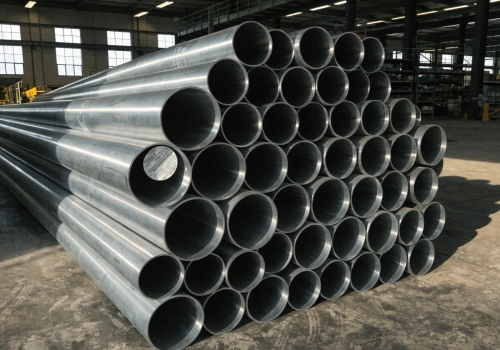
Many buyers feel lost when they look at long lists of numbers. You might worry about buying the wrong grade. You might fear failing quality checks. Let us look at the details. You can buy with confidence after this.
Different projects need different pipe strengths. Using weak pipes can ruin your pipeline network. We will look at the top standard grades. This keeps your system safe. The most common grades in a carbon steel seamless pipe specification are ASTM A106 and ASTM A53. ASTM A106 works best for high temperatures. ASTM A53 is great for general uses like water lines.
In my 18 years of working with EPC contractors, I see many people confuse A106 and A53. Let us make this simple. A carbon steel seamless pipe specification tells you exactly what elements are in the metal. ASTM A106 has more carbon and manganese. This makes it strong in hot places like oil refineries. ASTM A53 is softer. People use it for basic water pipes. People use it for structural support. When you buy pipes for an EPC company, you want a one-stop supplier. You want to save costs. You must know these differences. If you put an A53 pipe in a high-heat boiler, it might fail. If you use A106 for a basic drain pipe, you waste money. I have a story about this. A few years ago, a new client bought pipes for a steam line. They wanted to save money. They asked for ASTM A53 pipes. I told them this was a bad idea. Steam lines get very hot. I explained that ASTM A106 is the correct carbon steel seamless pipe specification for high heat. They listened to my advice. They bought ASTM A106 pipes. Their steam line runs perfectly today. They saved a lot of money on repairs. You must match the pipe grade to the project environment. Do not just look at the price tag. Look at the chemical elements. The extra carbon and manganese in ASTM A106 make a huge difference. Here is a simple table to show the differences.
| Feature | ASTM A106 | ASTM A53 |
|---|---|---|
| Best Use | High temperature oil lines | General water lines |
| Seamless Option | Yes, always seamless | Can be seamless or welded |
| Cost Level | Higher cost | Lower cost |
| Key Elements | Higher Silicon for heat | Less Silicon |
Wrong pipe sizes stop construction work fast. Buying pipes that do not fit together wastes huge amounts of money. Here is how to understand pipe sizing rules. A carbon steel seamless pipe specification uses Nominal Pipe Size and schedule to measure pipes. The Nominal Pipe Size tells you the outside size. The schedule tells you the wall thickness. You need both numbers to match pipes perfectly.
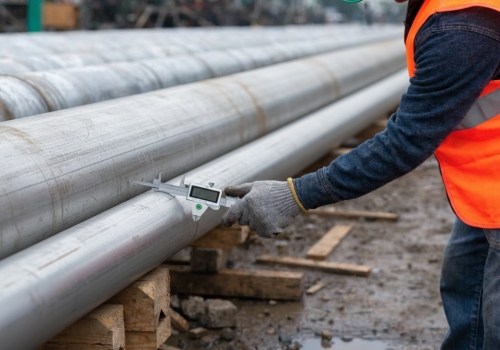
| Nominal Pipe Size | Schedule 40 Thickness | Schedule 80 Thickness |
|---|---|---|
| 2 inch | 0.154 inches | 0.218 inches |
| 4 inch | 0.237 inches | 0.337 inches |
| 6 inch | 0.280 inches | 0.432 inches |
As a purchasing manager, you must check the bill of materials carefully. A good one-stop supplier will always check the schedule with you. This simple step stops big problems on your job site.
Untested pipes can burst under pressure. A broken pipe causes massive damage. A broken pipe ruins your reputation. Let us see how testing keeps your projects safe. The standard carbon steel seamless pipe specification requires strict testing before pipes leave the factory. Factories use water pressure tests to find leaks. They use x-ray checks to find hidden cracks. This ensures the pipe can hold heavy loads.
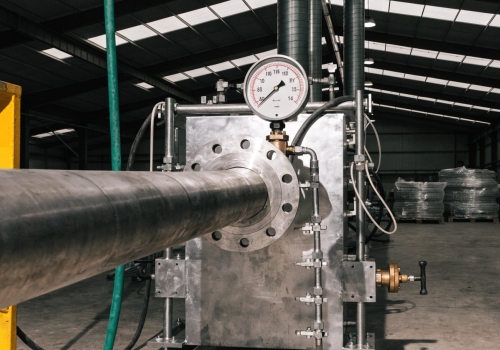
You want your pipeline to last for decades. You do not want any weak spots. That is why every carbon steel seamless pipe specification has strict testing rules. At Centerway Steel, we never skip these steps. We share China-made quality with global customers safely. First, factories use a hydrostatic test. They fill the pipe with water. They increase the pressure. If the pipe leaks, it goes to the scrap pile. Second, they use Non-Destructive Testing. We call this NDT. This is like taking an X-ray of a human bone. It looks deep inside the metal wall. It finds tiny air bubbles. It finds cracks that the human eye cannot see. I visited a factory test lab last month. I watched the engineers run an ultrasonic test on a large pipe. The machine beeped loudly. It found a tiny crack deep inside the steel. The crack was smaller than a human hair. The factory rejected that pipe immediately. This shows why testing is so important. A tiny crack can grow under pressure. A grown crack causes a pipeline explosion. You cannot test pipes by just looking at them. You need professional machines. You need certified inspectors. The carbon steel seamless pipe specification demands these actions. It protects the environment. It protects human lives on the construction site. If you buy cheap pipes without test reports, you take a big risk. Here are the main tests you must ask for.
| Test Name | What It Does | Why You Need It |
|---|---|---|
| Hydrostatic Test | Pushes water inside at high pressure | Proves the pipe will not leak |
| Ultrasonic Test | Uses sound waves to check the metal | Finds hidden flaws inside the thick walls |
| Tensile Test | Pulls a small piece of metal | Checks the basic strength of the steel |
Understanding standard pipe specifications saves your EPC company money. It prevents dangerous leaks. Always check the grades, sizes, and test reports before you buy from any supplier.