 English
 Español
 Русский язык
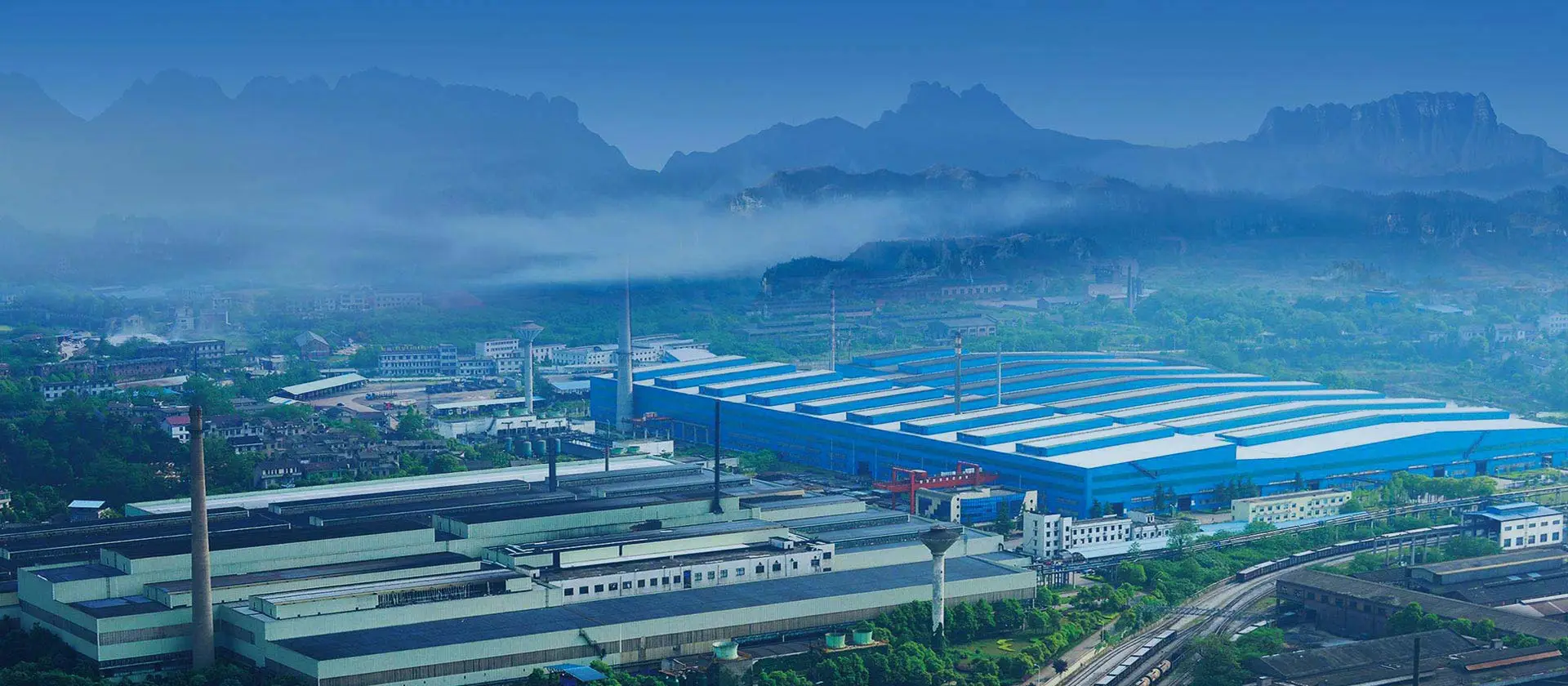
p91 seamless steel pipes provide outstanding strength and durability. these pipes are capable of withstanding high temperatures and pressures, making them perfect for industrial applications. p91 pipes are known for their enhanced corrosion resistance and wear resistance. industries such as power generation and petrochemical plants depend on these pipes for transporting fluids and gases. the preparation methods of seamlesssteel pipes are vital in achieving the desired mechanical properties. techniques like heat treatment improve creep strength and durability. the meticulous preparation ensures the pipes meet stringent quality standards, guaranteeing reliability and efficiency in demanding environments.
manufacturing process of seamless steel pipe
raw material selection
the manufacturing of seamless steel pipe begins with the careful selection of raw materials. high-quality steel ingots or billets serve as the foundation for production. quality standards ensure that the raw materials possess the necessary chemical composition and mechanical properties. each batch undergoes rigorous testing to meet industry specifications. the sourcing and procurement of these materials involve a meticulous process. reliable suppliers provide consistent quality, ensuring the seamlesssteel pipe meets performance expectations.
pipe formation techniques for seamless steel pipe
the formation of seamless steel pipe involves advanced techniques. hot rolling is a primary method used in the process. this technique requires heating the steel billet to a high temperature. the heated billet then passes through a series of rollers. the rollers gradually shape the material into a pipe. the hot rolling process ensures uniformity and strength in the seamless steel pipe. cold drawing serves as another vital technique. this method involves pulling the pipe through a die to achieve precise dimensions. cold drawing enhances the surface finish and dimensional accuracy of the seamlesssteel pipe.
heat treatment procedures
heat treatment plays a crucial role in the production of seamless steel pipe. normalizing is a key procedure in this process. the seamless steel pipe undergoes heating to a specific temperature. air cooling follows to achieve uniform grain structure. this step enhances the toughness and ductility of the pipe. tempering is another essential heat treatment procedure. the pipe is reheated to a lower temperature. controlled cooling follows to relieve internal stresses. tempering improves the mechanical properties of the seamless steel pipe, ensuring it withstands demanding conditions.