 English
 Español
 Русский язык
Are project delays costing you money? Choosing the wrong pipe material causes instant failures. I will show you the right standards to save costs and keep projects safe. The main astm seamless steel pipe material standards include ASTM A106 for high temperatures, A333 for cold environments, and A213 or A210 for boilers. These standards define the chemical and physical rules needed for safe use in construction, power generation, and chemical plants.
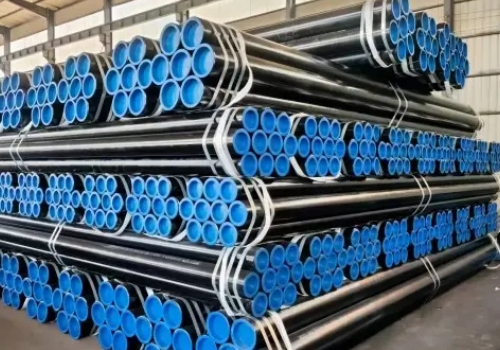
You might wonder how to match these materials to your specific site conditions. Let us look closely at each standard so you can stop guessing and start buying smart.
High heat melts weak pipes fast. A burst pipe halts your entire plant. You need a standard that handles extreme stress without breaking down. ASTM A106 is the standard specification for seamless carbon steel pipe for high-temperature service. EPC companies use it widely in refineries, thermal power plants, and large boilers where fluids or gases travel at very high heat and pressure levels.
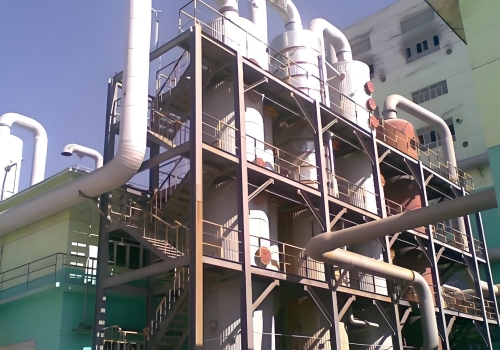
I remember a thermal power project we supplied in Turkey three years ago. The EPC contractor needed large-caliber boiler pipes that could handle severe heat over long periods. We recommended ASME SA-106B. This grade acts as a pearlitic heat-strength steel. It works perfectly in water walls, superheaters, and heat exchangers. When you look at the astm seamless steel pipe material standards, A106 stands out because it resists corrosion from steam and hydrogen. It also offers great creep strength. You do not want your pipes warping under long-term stress. Our production base at Centerway Steel matched their heavy thickness needs perfectly. This one-stop service saved the Turkish team a lot of time and money.
| Grade | Minimum Tensile Strength | Minimum Yield Strength | Common Use |
|---|---|---|---|
| A106 Grade A | 330 MPa | 205 MPa | Low pressure steam |
| A106 Grade B | 415 MPa | 240 MPa | Boilers, pipelines |
| A106 Grade C | 485 MPa | 275 MPa | High stress areas |
Boiler failures cost millions of dollars. Using basic carbon steel in superheaters causes fast oxidation. You must pick the exact alloy to keep your power grid running safely. ASTM A210 covers seamless medium carbon steel pipes for boilers and superheaters. ASTM A213 covers seamless ferritic and austenitic alloy steel tubes. You use A210 for standard boiler water walls and A213 when you need higher heat and oxidation resistance.
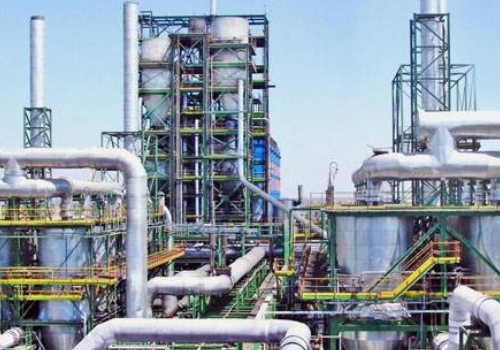
Choosing boiler tubes requires exact planning. Two years ago, I worked with an EPC buyer for an urban power network in South Africa. They needed parts for ultra-supercritical boilers. We looked at their blueprints and saw they needed high durable strength and good organizational stability. For the standard heat zones, we supplied SA210A1 and SA210C. But for the superheaters and reheaters, standard carbon steel is not enough. We shifted to ASTM A213 materials like T11, T22, and T91. These alloy steels have extra chromium and molybdenum. They stop oxidation in high-temperature working areas.
| Standard | Material Grades | Key Features | Project Application |
|---|---|---|---|
| ASTM A210 | SA210A1, SA210C | Medium carbon, good heat transfer | Economizers, water walls |
| ASTM A213 | T11, T22, T91, T92 | Alloy steel, resists high heat scaling | Superheaters, reheaters |
Our one-stop service means we consolidate both carbon and alloy tubes in our warehouse. The South African client got everything in one shipment. Understanding these astm seamless steel pipe material standards directly impacts your project timeline and helps you control your sourcing budget.
Freezing temperatures make standard steel brittle. A cracked pipe leaks dangerous gas. You need steel tested for impact at sub-zero levels to protect your site. ASTM A333 is the specification for seamless and welded steel pipes used in cryogenic equipment. It handles low temperatures down to minus 45 degrees Celsius. Engineers rely on A333 Grade 6 for cold-weather oil pipelines to prevent brittle fractures.
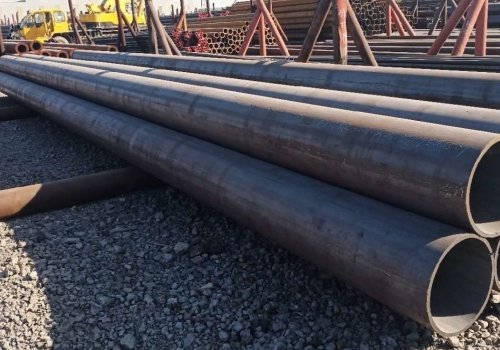
Not all projects deal with extreme heat. Sometimes the cold is your worst enemy. If you use standard A106 pipe in a freezing climate, the metal turns brittle. A small physical impact can crack the entire line. This is where ASTM A333 comes in. We often supply A333GR.6 to chemical plants and oil fields that face harsh winters. This steel undergoes special impact testing during production. It proves the pipe can absorb shocks even when frozen.
| Feature | ASTM A106 Gr.B | ASTM A333 Gr.6 |
|---|---|---|
| Primary Use | High temperature | Low temperature |
| Minimum Temp | -29°C | -45°C |
| Impact Test | Not required | Strict Charpy V-notch test |
As a purchasing manager, you want to avoid buying the wrong pipe twice. We test all our products through agencies like SGS and TUV. This guarantees your materials meet the exact astm seamless steel pipe material standards. Whether you build a chemical plant or an urban pipeline network, matching the environment to the steel grade is the most important step you can take.
Knowing these standards helps you buy safely and save money. Centerway Steel provides all these seamless pipes globally. Contact us today to get the right pipes for your next project.