 English
 Español
 Русский язык
Pipe leaks ruin good projects. Replacing rusted metal costs too much time and money. I will show you how the right material choice stops these costly failures early. To compare seamless steel pipe corrosion resistance options, look at the material base. Carbon steel is cheap but rusts fast. Stainless steel 316 resists salt and acid best. Alloy steel handles high heat. Epoxy-coated pipes offer a great middle ground for general water transport.
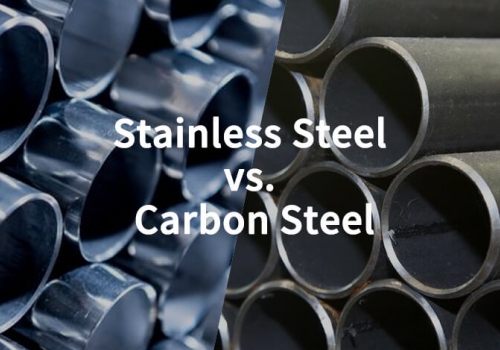
Many engineers think any thick pipe will last forever. That is a dangerous mistake. You need to know exactly what goes inside the pipe and what surrounds it outside. If you pick the wrong pipe, your whole project will fail quickly.
Choosing the wrong stainless grade causes hidden cracks. Chlorides eat through weak metal fast. You must match the exact steel grade to your specific water quality. Grade 304 stainless steel resists mild water and general industrial fluids well. Grade 316 and 316L contain molybdenum. This addition stops chloride attacks. You must use 316 or 316L for seawater or highly acidic water systems to ensure long-term safety.
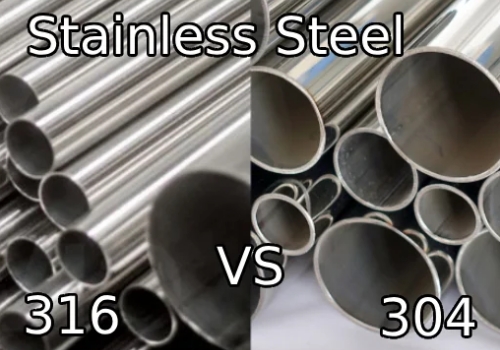
Let me break down my years of experience. I work with purchasing managers from EPC companies every day. They buy steel pipes from us at Centerway Steel. When I help them look at stainless steel, I do not just look at the price tag. I look at the chemistry. Chromium and nickel give stainless steel its basic power. But the real magic happens when we add other things. Here is a simple way to see the difference. I use this table when I talk to construction teams.
| Material Grade | Key Element | Best Environment | Cost Level |
|---|---|---|---|
| 304 Stainless | Chromium & Nickel | Tap water, clean industrial water | Medium |
| 316 Stainless | Molybdenum added | Seawater, chemical water | High |
| 316L Stainless | Low Carbon | High heat, strong acids | Very High |
High heat and pressure destroy standard pipes quickly. Frequent replacements kill your project budget. Strong alloys and protective coatings offer the exact defense your tough systems need. Cr-Mo and Ni-Cr alloy seamless pipes handle extreme heat and aggressive chemicals easily. They cost more but never fail under pressure. Epoxy-coated carbon steel pipes provide a cheaper barrier against rust. They work perfectly for standard water supply and sewage networks.
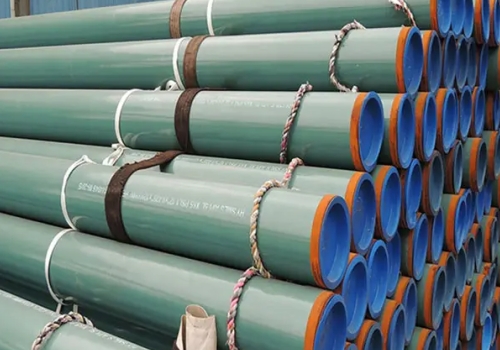
Sometimes stainless steel is not the right answer. Heavy industries need something different. When we process hot chemical water, we use alloy seamless steel pipes. Adding chromium, molybdenum, and nickel makes the carbon steel incredibly strong. These pipes do not melt or rust easily. They perform perfectly under high stress. However, alloy pipes cost a lot of money. They are hard to cut and weld. We only use them for extreme conditions. For normal town water lines, we use a smarter trick. We take a cheap carbon steel pipe and coat it. Epoxy-coated steel pipes are my favorite choice for big city water jobs.
| Pipe Type | Core Strength | Main Weakness | Best Application |
|---|---|---|---|
| Cr-Mo Alloy | High heat resistance | Expensive, hard to weld | Power plants, hot chemicals |
| Ni-Cr Alloy | Extreme chemical defense | Very high cost | Refineries, deep drilling |
| Epoxy Coated | Cheap, good rust barrier | Coating can scratch or peel | City water, natural gas |
| Galvanized | Very cheap | Zinc layer wears off fast | Temporary lines, low acid |
Buying pipes blindly for foreign projects leads to disaster. Local soil and water conditions eat cheap steel alive. You need proven materials backed by real global experience. Location changes everything. Soil acidity, ground temperature, and local water chemistry dictate your pipe choice. In African infrastructure projects, high temperatures and varied water sources demand tough pipes. Choosing an integrated supplier with local experience ensures you get the exact right material. I want to share a story from a big water transport project we did in Africa last year. A purchasing manager named Jackie came to us. His EPC company had to move water across hundreds of kilometers. Jackie has 18 years of experience. He knew the ground was hot. He knew the soil was very acidic. If he used standard carbon steel, the pipes would rot in five years. His main challenge was finding a one-stop integrated supplier to solve this problem. My team at Centerway Steel knew exactly what to do. Since 1996, we have supplied pipeline products all over the world. We sent our engineers to look at the soil data. We decided to use thick epoxy-coated seamless steel pipes for the underground sections. For the exposed pump stations, we used 316 stainless steel.
| Project Factor | Risk Level | Our Material Solution | Result |
|---|---|---|---|
| Acidic Soil | High | Heavy Epoxy Coated Pipes | Zero underground leaks |
| Sun Exposure | High | UV Resistant Paint | No surface cracking |
| High Pressure | High | Seamless Steel Structure | Safe water flow |
We provided a one-stop service for Jackie. We shipped the pipes, the matching fittings, and the control valves together. Everything arrived on time. The local government was very happy with the quality. We embrace partners in over 100 countries. We provide products to many Fortune 500 oil, gas, and EPC companies. Our factory has ISO and CE certifications. We know how to meet international standards. We do not just sell steel. We provide a complete pipeline solution.
Choosing the right pipe material saves your project. Centerway Steel provides the exact pipeline solutions you need. We deliver quality, save costs, and protect your water systems from rust.