 English
 Español
 Русский язык
Chemical leaks put your workers at hard risk. Bad pipes cause heavy downtime and lose you money. The right seamless steel pipe for chemical plant stops these dangers fast. A seamless steel pipe for chemical plant is a strong tube without welded joints. It safely moves toxic, corrosive, or hot liquids under extreme pressure. You use it to build safe and lasting pipeline systems in tough environments.
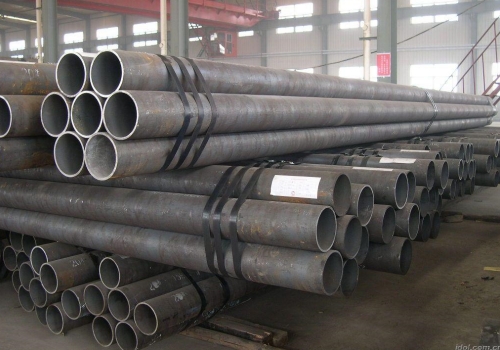
You might wonder why these specific pipes matter so much for your factory. Let me walk you through what we learned over years of real projects, so you never buy the wrong pipe again.
Welded pipes have weak joints along the line. Under high pressure, these joints can burst open. Seamless pipes remove that weak link completely. A seamless steel pipe for chemical plant offers great safety, handles high pressure, and lasts a long time. Without welded seams, it resists chemical rust better. This keeps your equipment running smoothly and cuts down your repair costs.
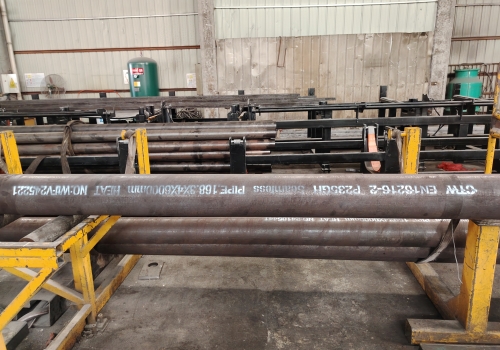
I remember a major project we handled in Turkey last year. A local engineering team was building a large chemical fertilizer plant. They faced a big problem with their design. Their old plans used standard welded pipes, but the system needed to push hot acids at very high pressure. I told them they must switch to seamless steel pipes to avoid disaster. We supplied our top-grade seamless tubes. The local engineers in Turkey tested our pipes under extreme heat on site. They found zero faults. This built deep trust between us, and they saved thousands of dollars in future maintenance.
· No weak seams to break
· Long service life Here is a simple look at why seamless wins:
| Feature | Seamless Steel Pipe | Welded Steel Pipe |
|---|---|---|
| Seam structure | No seam | Has a welded line |
| Pressure limit | Very high | Medium to low |
| Risk of leaks | Very low | Higher at the joint |
Chemical plants use complex layouts and hot machines. Moving harsh fluids through cheap pipes stops your factory. You need exact parts for exact jobs. You use these pipes for fluid transport lines, chemical reactors, and heat exchangers. They safely move strong acids and alkalis. They also form the core of boilers and pressure vessels that face extreme heat every day. You will see seamless tubes in many parts of a factory doing the heaviest work.
You move highly dangerous liquids every day. Corrosive acids and strong alkalis eat through normal metal. A good seamless pipe holds these fluids safely. It does not break down easily over time.
Chemical reactions create intense heat inside your factory. Your reactors and heat exchangers need very strong walls.
· They keep dangerous gases inside
· They stop cross-plant accidents I always check the grade of the steel before we ship to a factory. If your boiler runs at 400 degrees, you need a specific carbon or alloy grade (like ASTM A335). Using standard pipe causes bursts. We make sure you get the exact match.
You also use these pipes to build heavy pressure vessels. Storage tanks hold chemicals under pressure for months. A seamless wall ensures the tank never leaks its dangerous contents into the soil.
No single pipe fits every chemical job out there. Using standard steel for severe acids destroys your lines fast. Knowing the limits keeps you safe. Material grades, pipe sizes, and local rules limit where you can use them. A basic carbon steel pipe fails against strong acid. You must match your pipe material exactly to the heat, pressure, and chemical type you use.
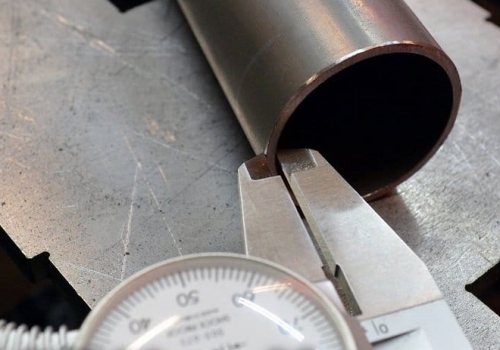
Even the best pipe has firm rules you must follow. You cannot just pick a random size and hope it works for your factory.
Different chemicals need different steel grades. Basic carbon steel works fine for water or mild chemicals. But if you move strong sulfuric acid, carbon steel will melt away quickly. You need special alloys for that job.
· Thick walls handle high stress If your design pressure passes a certain high point, a thin wall pipe will blow up. We always check your stress needs.
Different places use different rules. A plant in Europe might ask for DIN standards. A plant in America wants ASTM standards. I always ask my clients what local rules they must follow. For instance, if your project follows the ASME code, we cannot send you standard GB pipes. We must test everything to the ASME rules. If we ignore this, the safety inspectors will shut down your site.
You likely still have questions before making a choice. Picking the wrong pipe wastes your money. I want to answer your main doubts right here. Buyers often ask about testing, wall thickness, and costs. You need to verify standard codes before buying. Wall thickness directly matches your working pressure. Getting these details right ensures your project finishes on time. I get many questions from buyers every week. I want to give you quick, direct answers right now.
You must calculate the maximum pressure of your entire system. You give us your pressure data, and we match it to the standard thickness charts. Always add a small safety margin to be sure.
Yes, they cost more to buy at the start. But they save you big money later. Welded pipes break easily and need constant repairs. Seamless tubes stay strong for years. You spend far less time fixing them.
No, you cannot. Carbon steel works for many basic uses. But highly corrosive fluids demand stainless steel or special alloy tubes. We always ask what liquid you plan to move before we suggest a metal material.
We do strict tests in our yard. We use water pressure tests to check for hidden leaks. We also use ultrasonic tools to look inside the solid metal walls. We only send perfect pipes to your site.
Buying the right parts keeps your chemical plant safe and running well. If you want a strong and lasting system, I suggest you ask us about our seamless steel pipe today.