 English
 Español
 Русский язык
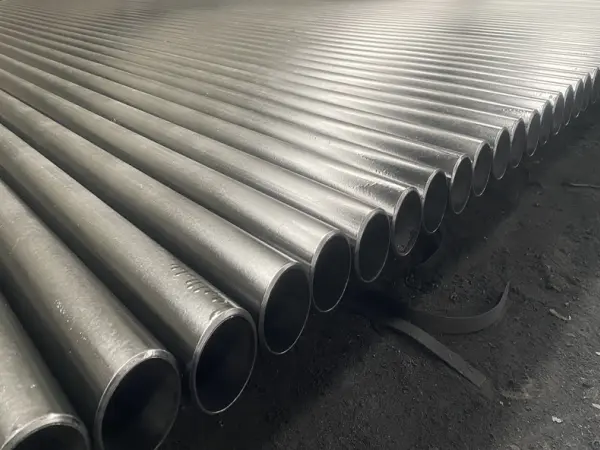
Finding the right piping material for critical projects is a major source of stress for project managers. A single failure in a pipeline can lead to catastrophic financial losses and safety hazards. I want to show you exactly where seamless pipes fit into your supply chain to prevent these issues. What is seamless pipe used for? It is primarily employed in high-pressure, high-temperature, and corrosive environments. You will find these pipes in oil and gas extraction, steam boilers in power plants, chemical processing lines, and critical structural components where the risk of seam failure is not an option.
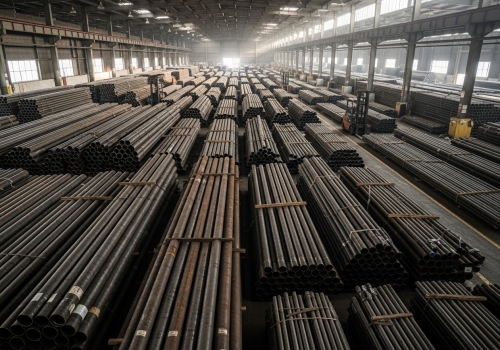
Many people think all steel pipes are the same, but the difference between seamless and welded is huge. Seamless pipes have no weld seam. This gives them uniform strength around the entire cylinder. Because of this strength, engineers choose them for the most difficult jobs. I have been in this industry since 1996. I have seen seamless pipes used in everything from deep-sea oil rigs to the hydraulic systems of heavy trucks. In the next sections, I will break down exactly how different industries use these materials.
High-pressure environments in energy production destroy weak materials quickly. If you choose the wrong pipe for a power plant or oil rig, you risk shutdowns. Seamless pipes offer the reliability needed to keep energy moving. In the energy sector, seamless pipes transport crude oil, natural gas, and high-pressure steam. They are essential for downhole applications in drilling and as boiler tubes in power generation because they can withstand extreme internal pressure without bursting.
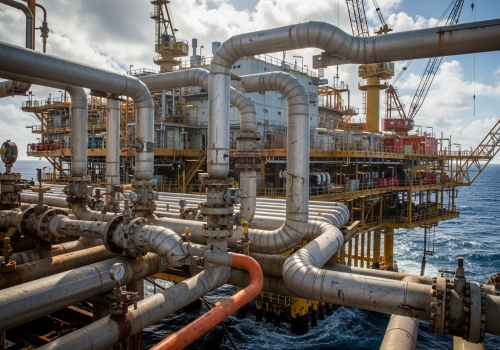
The energy industry is the largest driver of demand for seamless steel pipes. This includes oil and gas exploration, refining, and power generation. When we ask what is seamless pipe used for in this context, the answer is safety and durability. In oil and gas extraction, we use seamless pipes for Oil Country Tubular Goods (OCTG). This includes drill pipes, casing, and tubing. These pipes go deep underground. They must resist immense pressure from the earth and the internal pressure of the oil or gas. For power generation, the requirements are just as strict. Thermal power plants use giant boilers to create steam. This steam spins the turbines. The pipes inside these boilers must handle very high temperatures and pressures simultaneously. A welded pipe might split at the seam under this stress. A seamless pipe will not. At Centerway Steel, we have supplied these products to major companies like CNPC and Shell. We understand that the wall thickness and steel grade must be precise. For example, in a waste incineration plant, the pipes also act as superheaters. This requires specific alloy compositions to stop corrosion from the waste gases. Here is a breakdown of specific uses in the energy sector:
| Application Area | Specific Use Case | Key Requirement |
|---|---|---|
| Offshore Drilling | Subsea flowlines and risers | Resistance to high external water pressure |
| Refineries | Process piping for crude oil | Corrosion resistance to sulfur and acids |
| Power Plants | Boiler tubes and steam lines | High creep strength at elevated temperatures |
| Gas Transmission | High-pressure gas lines | Uniform strength to prevent ruptures |
Chemical plants deal with aggressive fluids that eat through standard metal. Leaks in these facilities can cause environmental disasters and huge fines. Seamless pipes provide a smooth interior that resists corrosion and buildup. Seamless pipes in the chemical industry connect heat exchangers, high-pressure synthesis towers, and intricate piping networks. They are specifically used in fertilizer plants for urea synthesis and in petrochemical facilities to safely transport volatile chemicals.
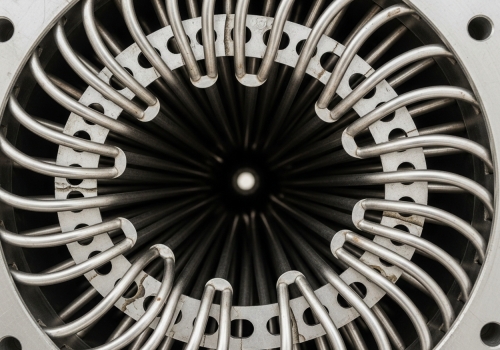
The chemical and petrochemical sectors present a different set of challenges compared to oil and gas. Here, the main enemy is often corrosion rather than just pure pressure. In fertilizer production, specifically in Melamine and Urea synthesis plants, the chemical reactions happen at high pressures. The piping systems must handle the pressure and the corrosive nature of the chemicals. We often see high-pressure tubes used in Melamine plants. If you look at an ethylene plant, you will find seamless pipes in the cracking furnaces. The heat exchanger is another critical piece of equipment in this industry. A heat exchanger transfers heat from one fluid to another. It uses a bundle of small diameter seamless pipes. The seamless nature allows for better heat transfer and less risk of leaks at the joints. When I talk to engineers from chemical plants, they look for specific material grades. They often need stainless steel or alloy seamless pipes. These materials resist rust and chemical attack. In our factories, we ensure these pipes undergo strict testing. We check for chemical composition and mechanical properties. This ensures the pipe will not fail when it encounters acid or ammonia. Below shows the common material grades used for these applications:
| Industry Segment | Common Material | Purpose |
|---|---|---|
| Fertilizer Plants | Stainless Steel / Alloy | Resists ammonia and carbamate corrosion |
| Petrochemicals | Carbon Steel / Low Alloy | Handles hydrocarbons at various temperatures |
| Heat Exchangers | Copper-Nickel / Stainless | Efficient heat transfer and corrosion resistance |
| Acid Production | High Nickel Alloys | Survives extreme acidic environments |
Buildings and heavy machinery need a skeleton that can support massive weight. Structural failures in these areas can lead to collapse or mechanical breakdown. Seamless pipes provide a high strength-to-weight ratio for these structural needs. Beyond fluid transport, seamless pipes serve as structural columns, hydraulic cylinders, and critical components in shipbuilding and automotive manufacturing. They provide the necessary strength for cranes, roll cages, and heavy load-bearing piles. The final answer to what is seamless pipe used for lies in the structural and mechanical world. This is where the pipe stops being a vessel for liquid and becomes a structural beam. In the construction industry, we use seamless pipes for piling and structural columns. They are hollow, which makes them lighter than solid bars, but their round shape makes them incredibly strong against twisting and bending forces. In the automotive industry, manufacturers use precision seamless tubes. You will find them in hydraulic cylinders, airbags, and transmission shafts. The walls of these pipes must be very smooth and uniform. Any imperfection can ruin the hydraulic seal. Shipbuilding is another massive area. A ship is essentially a floating city. It needs pipes for fuel, water, and sewage. But it also uses pipes for structural support. We export many pipes specifically for ship construction. These pipes must meet marine classification standards like DNV or ABS. They resist the corrosive saltwater environment. In the engineering sector, we supply pipes for machining. Factories buy heavy-wall seamless pipes to machine them into rings, bearings, or rollers. It is much more efficient to start with a hollow pipe than to drill a hole through a solid bar. This saves time and reduces waste.
| Sector | Application | Benefit of Seamless |
|---|---|---|
| Construction | Piling and scaffolding | High load-bearing capacity |
| Automotive | Airbag inflators and axles | Precision dimensions and high safety |
| Shipbuilding | Boilers and cargo piping | Reliability in marine environments |
| Machining | Bearings and rollers | Reduced machining time and material waste |
Seamless steel pipes are the backbone of high-stakes industries, serving critical roles in energy transport, chemical processing, and structural support. From the high pressures of an oil rig to the precise needs of an automotive engine, these pipes ensure safety and efficiency. At Centerway Steel, we have integrated production and global sales since 1996 to provide you with these exact solutions.